
Contents
Overview
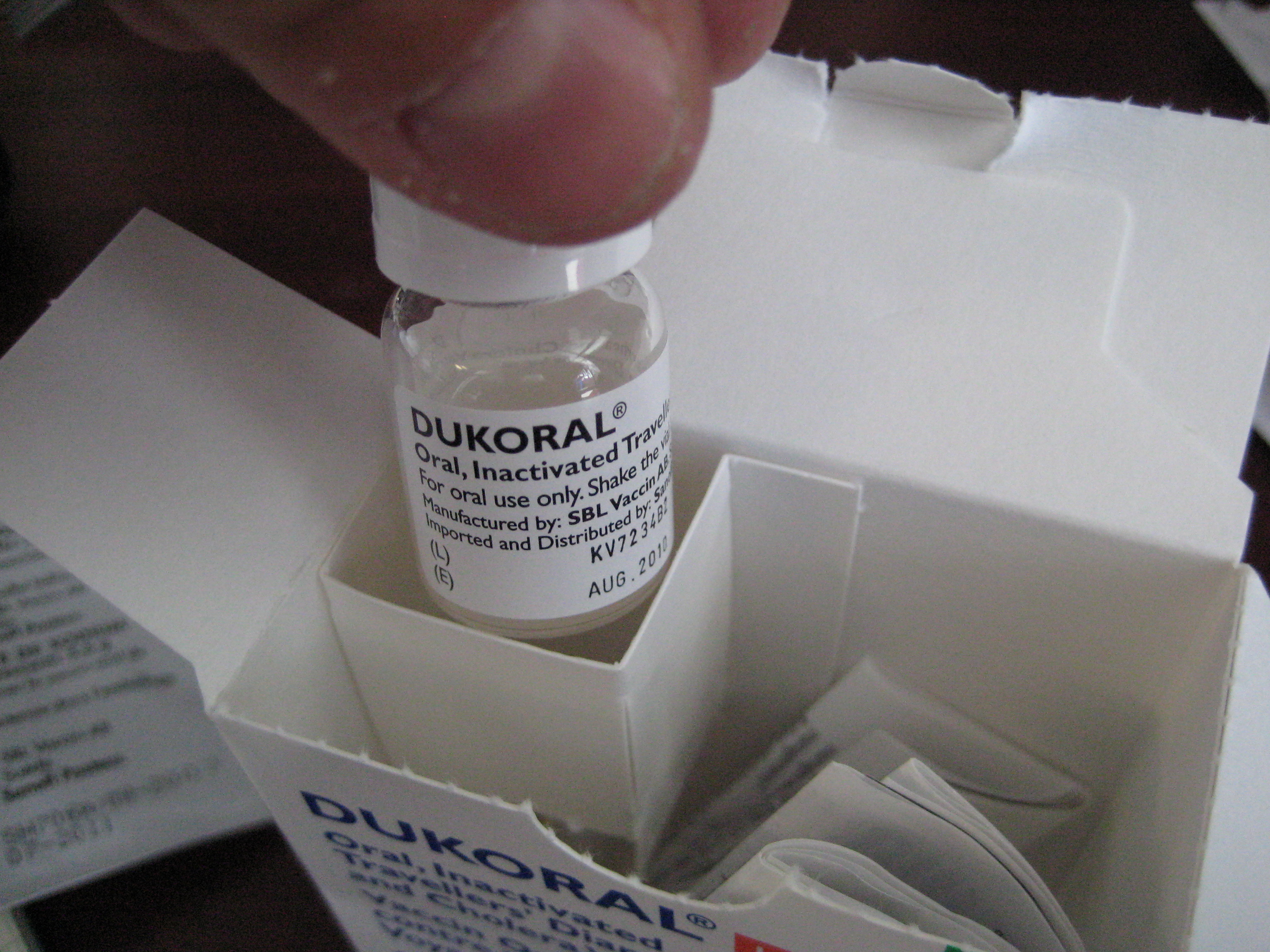
Early attempts at cholera vaccines focused on killed whole-cell bacterial preparations. However, these injectable vaccines, prevalent until the 1970s, offered limited and short-lived protection, often failing to elicit the necessary mucosal immunity in the gut. A significant breakthrough came in the 1980s with the development of the first effective oral cholera vaccine, Dukoral, by Swedish researchers at the Karolinska Institute. This marked a paradigm shift, moving towards vaccines that could stimulate local immunity in the intestinal tract, the primary site of Vibrio cholerae infection. Further advancements led to the development of bivalent OCVs, such as Shanchol and Euvichol-Plus, which offer broader protection against different strains of the bacterium and have become instrumental in global control efforts.
⚙️ How It Works
Oral cholera vaccines deliver weakened or inactivated strains of Vibrio cholerae directly to the gastrointestinal tract, often in combination with a cholera toxin subunit B (CTB) adjuvant. This oral administration route is crucial because it prompts the gut's immune system to produce specific antibodies, particularly Immunoglobulin A (IgA), which can neutralize the cholera toxin produced by the bacteria. IgA is the predominant antibody found in mucosal secretions, making it ideally suited to combat pathogens that enter through the digestive system. The CTB adjuvant helps to enhance the immune response, ensuring a more potent and durable protection against subsequent infection by virulent Vibrio cholerae strains.
📊 Key Facts & Numbers
Globally, over 150 million doses of oral cholera vaccines have been administered since 2013, primarily through Gavi, the Vaccine Alliance and the WHO's cholera vaccine stockpile. Dukoral, one of the earliest OCVs, provides approximately 85% protection for the first six months post-vaccination, with efficacy decreasing to around 60% within two years. Newer vaccines like Shanchol and Euvichol-Plus have demonstrated comparable or superior efficacy in large-scale field trials, with some studies indicating protection rates of up to 70-80% in the first year. The cost of OCVs has fallen significantly, with doses now available for as low as $1.50 to $2.00 USD, making them more accessible for mass vaccination campaigns in low-income countries.
👥 Key People & Organizations
Key figures in the development and deployment of cholera vaccines include Jonas Salk, whose pioneering work on the polio vaccine paved the way for vaccine development, and Albert Sabin, who developed an oral polio vaccine. More directly, researchers at the Karolinska Institute in Sweden were instrumental in developing Dukoral. Organizations like the WHO play a critical role in recommending and coordinating the use of OCVs, managing the global stockpile, and setting vaccination guidelines. The Centers for Disease Control and Prevention (CDC) also provides crucial guidance on cholera prevention and management. Valneva SE is a manufacturer of Dukoral, and the Indian pharmaceutical industry produces Shanchol and Euvichol-Plus.
🌍 Cultural Impact & Influence
The introduction of effective oral cholera vaccines has profoundly impacted public health strategies in cholera-prone regions. Beyond individual protection, widespread vaccination contributes to herd immunity, significantly reducing the overall burden of disease in communities and protecting vulnerable populations, including infants and the elderly, who may not be vaccinated. This has been particularly evident in countries like Bangladesh, where OCVs have been integrated into national control programs, leading to a measurable decrease in cholera incidence. The availability of OCVs has also shifted the narrative from solely reactive outbreak response to proactive prevention, empowering health ministries and international aid organizations.
⚡ Current State & Latest Developments
The global supply of oral cholera vaccines remains a critical focus for organizations like the WHO. Efforts are underway to increase manufacturing capacity and ensure equitable distribution, particularly in regions facing recurrent outbreaks. The development of next-generation OCVs with potentially longer-lasting immunity and improved thermostability is also an active area of research, aiming to simplify logistics and enhance effectiveness in challenging environments. The ongoing integration of OCVs into routine immunization programs, alongside improvements in water, sanitation, and hygiene (WASH) initiatives, represents the current frontier in cholera control.
🤔 Controversies & Debates
Despite their proven efficacy, the use of cholera vaccines is not without debate. Some critics argue that OCVs can create a false sense of security, potentially diverting resources and attention from essential WASH improvements, which address the root causes of cholera transmission. There are also discussions surrounding the optimal duration of protection and the need for booster doses, especially in high-risk areas. Furthermore, ensuring equitable access and distribution to the most vulnerable populations remains a persistent challenge, raising questions about global health equity and the prioritization of vaccine deployment.
🔮 Future Outlook & Predictions
The future of cholera vaccination likely involves the development of more thermostable vaccines that can withstand warmer climates without refrigeration, simplifying distribution in resource-limited settings. Research into single-dose OCVs that provide comparable protection to multi-dose regimens is also a key objective. Experts predict that as manufacturing capacity expands and costs continue to decrease, OCVs will become an even more integral part of integrated cholera prevention strategies, potentially leading to the elimination of cholera in many endemic regions by mid-century. The ongoing surveillance and genomic tracking of Vibrio cholerae strains will also inform vaccine design and deployment.
💡 Practical Applications
Oral cholera vaccines are primarily deployed in two key scenarios: for individuals traveling to or living in cholera-affected areas, and for populations in regions with endemic cholera or during outbreaks. They are administered as part of comprehensive cholera control strategies that also emphasize safe drinking water, adequate sanitation, and prompt treatment of cases with oral rehydration salts (ORS) and antibiotics when necessary. Mass vaccination campaigns in areas with high cholera transmission, such as parts of Sub-Saharan Africa and South Asia, are crucial for reducing disease spread and mortality.
Key Facts
- Category
- science
- Type
- technology