
Contents
- 🌍 Who Are Indigenous Peoples of North America?
- 📍 Geographic Distribution & Demographics
- 📜 Historical Context & Pre-Columbian Societies
- 🗣️ Language Families & Cultural Diversity
- 🏛️ Governance & Sovereignty
- ⚖️ Legal Status & Rights
- 🎨 Cultural Expressions & Contemporary Arts
- 🤝 Community & Kinship Systems
- 🌱 Traditional Ecological Knowledge (TEK)
- 🌐 Digital Presence & Online Communities
- 📚 Resources for Further Exploration
- 🚀 Getting Involved & Supporting Indigenous Initiatives
- Frequently Asked Questions
- Related Topics
Overview
The Indigenous Peoples of North America represent a vast and diverse array of distinct nations, languages, and cultural practices that predate European colonization by millennia. Their histories are marked by profound resilience, adaptation, and ongoing struggles for self-determination and the protection of their lands and rights. From the intricate social structures of the Haudenosaunee Confederacy to the nomadic traditions of the Plains tribes and the coastal cultures of the Pacific Northwest, each nation possesses a unique worldview, spiritual connection to the land, and governance system. Despite centuries of displacement, assimilation policies, and systemic oppression, Indigenous communities continue to revitalize their languages, traditions, and economies, asserting their inherent sovereignty and shaping their futures on their own terms.
🌍 Who Are Indigenous Peoples of North America?
Indigenous Peoples of North America refers to the diverse array of First Nations, Inuit, and Métis peoples who are the original inhabitants of the lands now comprising Canada and the United States, as well as Indigenous peoples of Mexico and Central America. These groups possess distinct cultures, languages, and histories predating European colonization. Understanding this category is crucial for grasping the foundational human presence and ongoing cultural vitality of the continent. It's not a monolithic entity but a constellation of sovereign nations and communities with unique traditions and worldviews.
📍 Geographic Distribution & Demographics
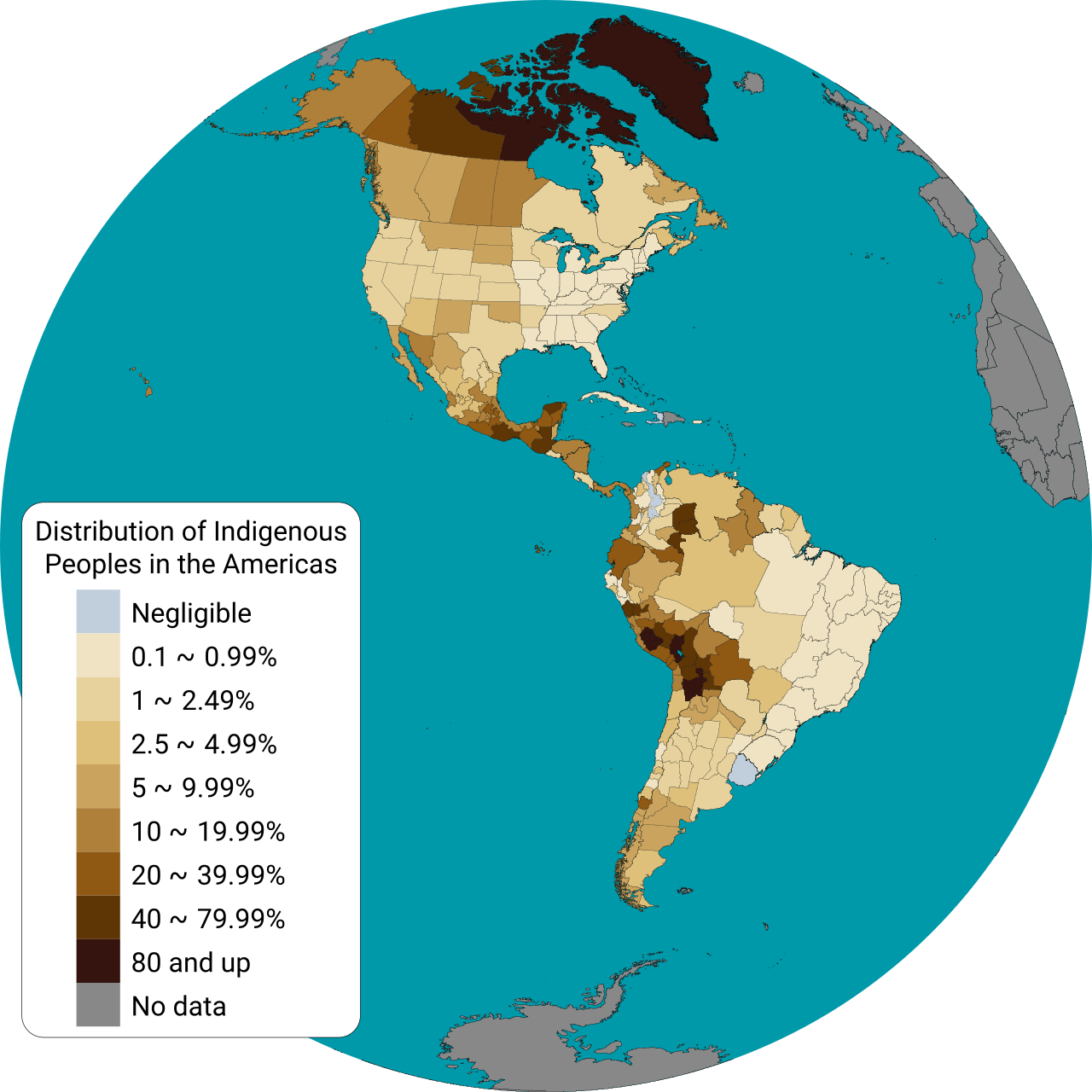
Indigenous peoples are found across the entirety of North America, from the Arctic regions inhabited by the Inuit peoples to the southern borders with Mexico and Central America. While many Indigenous communities are concentrated on reservations, reserves, or specific territories, individuals and families also reside in urban centers throughout the continent. Demographically, Indigenous peoples represent a significant minority in both Canada and the United States, though their populations are growing. Their presence is a constant reminder of the continent's deep history and the enduring resilience of its original inhabitants.
📜 Historical Context & Pre-Columbian Societies
The history of Indigenous Peoples of North America is one of sophisticated societies flourishing long before Christopher Columbus's arrival in 1492. Pre-Columbian civilizations, such as the Mississippian culture and the Maya civilization, developed complex agricultural systems, monumental architecture, and intricate social structures. The subsequent Age of Exploration and colonization brought profound disruption, including disease, warfare, and forced assimilation, fundamentally altering the trajectory of these societies and leading to immense loss of life and land.
🗣️ Language Families & Cultural Diversity
North America is home to an astonishing linguistic diversity, with hundreds of distinct Indigenous languages once spoken and many still actively used today. These languages are often grouped into major language families, such as Algic languages, Na-Dené languages, and Uto-Aztecan languages, each encompassing numerous individual tongues. This linguistic richness reflects the deep historical roots and varied cultural adaptations of Indigenous peoples to diverse environments across the continent, from the Pacific Northwest to the Great Plains.
🏛️ Governance & Sovereignty
A fundamental aspect of Indigenous Peoples of North America is their inherent right to self-governance and sovereignty. Many Indigenous nations maintain distinct forms of governance, predating and often existing alongside state governments. These systems range from traditional councils to modern elected bodies, all striving to uphold the rights and well-being of their citizens. The concept of Indigenous sovereignty remains a central and often contested element in contemporary political discourse and legal frameworks.
⚖️ Legal Status & Rights
The legal status of Indigenous Peoples of North America is complex and varies significantly by nation and jurisdiction. In the United States, Native American tribes are recognized as domestic dependent nations, while in Canada, First Nations, Inuit, and Métis peoples have distinct rights and relationships with the Crown. Ongoing legal battles and policy developments continue to shape the recognition and implementation of Indigenous rights, including land claims, treaty rights, and cultural protections.
🎨 Cultural Expressions & Contemporary Arts
Contemporary Indigenous arts and culture are vibrant and dynamic, offering powerful expressions of identity, history, and resilience. From the intricate Haida art of the Pacific Northwest to the dynamic powwow traditions of the Plains, Indigenous creativity flourishes. Modern Indigenous artists, writers, filmmakers, and musicians are gaining international acclaim, challenging stereotypes and sharing their unique perspectives with the world. This artistic renaissance is a testament to the enduring spirit and adaptability of Indigenous cultures.
🤝 Community & Kinship Systems
Kinship and community are central pillars of Indigenous societies across North America. Traditional family structures often extend beyond the nuclear unit, encompassing extended relatives and community members in a web of reciprocal relationships. These strong social bonds provide crucial support systems, cultural transmission, and a collective sense of identity. The concept of all my relations encapsulates this interconnectedness, emphasizing mutual responsibility and respect among all beings.
🌱 Traditional Ecological Knowledge (TEK)
Indigenous Peoples of North America possess profound and sophisticated Traditional Ecological Knowledge (TEK), developed over millennia of close observation and interaction with their environments. This knowledge encompasses sustainable resource management, understanding of biodiversity, and intricate ecological relationships, often expressed through oral traditions and practical application. TEK is increasingly recognized for its value in addressing contemporary environmental challenges and informing conservation efforts.
🌐 Digital Presence & Online Communities
The digital age has opened new avenues for Indigenous Peoples of North America to connect, share, and preserve their cultures. Online platforms host Indigenous language revitalization projects, digital archives of historical records, and vibrant social media communities. Indigenous content creators, activists, and educators are leveraging the internet to amplify their voices, challenge misinformation, and build global networks of support and solidarity, fostering a new era of cultural exchange and advocacy.
📚 Resources for Further Exploration
For those seeking to deepen their understanding, numerous resources are available. Museums like the National Museum of the American Indian offer extensive collections and educational programs. Academic institutions host Indigenous studies programs that provide in-depth research and coursework. Reputable organizations such as the Assembly of First Nations and the National Congress of American Indians offer valuable insights into contemporary Indigenous issues and advocacy efforts.
🚀 Getting Involved & Supporting Indigenous Initiatives
Engaging respectfully with Indigenous Peoples of North America involves more than just learning; it requires action. Support Indigenous-owned businesses, artists, and organizations. Educate yourself and others about treaties, land rights, and ongoing struggles for justice. Attend cultural events when invited and always approach with humility and a willingness to listen. Consider donating to organizations working on Indigenous rights and cultural preservation, ensuring your support directly benefits Indigenous communities.
Key Facts
- Year
- Pre-Columbian to Present
- Origin
- North America
- Category
- Culture & Society
- Type
- Cultural Group
Frequently Asked Questions
What is the difference between First Nations, Inuit, and Métis?
These are the three distinct Indigenous groups recognized in Canada. First Nations are diverse groups with unique cultures and languages across Canada. Inuit traditionally inhabit the Arctic regions. Métis are a distinct people with French and First Nations ancestry, primarily in Western Canada. Each group has its own governance structures, cultural practices, and historical experiences.
Are all Indigenous peoples in North America the same?
Absolutely not. Indigenous Peoples of North America are incredibly diverse, encompassing hundreds of distinct nations, tribes, and communities, each with unique languages, traditions, governance systems, and histories. Lumping them together erases this vital diversity and the specific experiences of each group.
What does 'sovereignty' mean for Indigenous nations?
Indigenous sovereignty refers to the inherent right of Indigenous nations to govern themselves, control their lands and resources, and maintain their distinct cultural and political identities. It predates colonial states and continues to be a central principle in their relationship with governments, asserting their right to self-determination.
How can I learn more about Indigenous history respectfully?
Respectful learning involves seeking out Indigenous voices and perspectives directly. Read books by Indigenous authors, follow Indigenous creators online, visit Indigenous-led cultural centers, and listen to community elders and leaders. Be mindful of the historical context of colonization and its ongoing impacts, and avoid perpetuating stereotypes.
Are Indigenous languages dying out?
Many Indigenous languages are indeed endangered due to historical assimilation policies. However, there are significant revitalization efforts underway across North America, with communities actively working to teach their languages to younger generations through immersion schools, online resources, and cultural programs. The resilience of these languages is remarkable.
What are some common misconceptions about Indigenous Peoples of North America?
Common misconceptions include viewing Indigenous peoples as a monolithic group, believing they all live on reservations, or assuming their cultures are relics of the past. In reality, they are diverse, contemporary peoples with vibrant cultures, living both on and off traditional territories, and actively participating in modern society while maintaining their heritage.