
Contents
- 🕌 What is Moorish Architecture?
- 🌍 Where to Experience It
- ✨ Key Features & Design Elements
- 💰 Historical Context & Influence
- 🤔 Debates & Controversies
- 🌟 Vibe Score & Cultural Resonance
- 💡 Engineering Marvels
- 🔮 Future Trajectories
- ⭐ What People Say
- 🛠️ Planning Your Visit
- 🔗 Related Vibepedia Entries
- Frequently Asked Questions
- Related Topics
Overview
Moorish architecture, a distinct style born from Islamic influences in the Iberian Peninsula and North Africa, is instantly recognizable for its horseshoe arches, intricate geometric patterns (arabesques), and vibrant tilework (azulejos). Flourishing between the 8th and 15th centuries, this style reached its zenith in structures like the Alhambra in Granada and the Great Mosque of Cordoba. Beyond mere aesthetics, it represents a sophisticated fusion of Roman, Visigothic, and Byzantine elements, adapted and transformed by Islamic artistic principles. The enduring appeal lies in its harmonious blend of spiritual symbolism, engineering ingenuity, and breathtaking visual complexity, continuing to inspire architects and designers globally.
🕌 What is Moorish Architecture?
Moorish architecture is a style that flourished in the Iberian Peninsula (modern-day Spain and Portugal) and North Africa from the 8th to the 15th centuries, primarily under Muslim rule. It's not a monolithic style but rather a vibrant fusion of Islamic architectural traditions with local Visigothic, Roman, and Byzantine influences. Think intricate geometric patterns, horseshoe arches, and stunning tilework. This style is particularly appealing to those who appreciate a rich historical narrative interwoven with breathtaking aesthetic detail, offering a tangible connection to centuries of cultural exchange and artistic innovation. It’s a visual feast for the historically curious and the aesthetically inclined.
🌍 Where to Experience It
The undisputed crown jewels of Moorish architecture are found in Andalusia, Spain. The Alhambra Palace in Granada (built primarily 13th-14th centuries) is a UNESCO World Heritage site and a paramount example, showcasing exquisite courtyards, palaces, and fortifications. Equally significant is the Great Mosque of Cordoba (begun 8th century), a forest of striped arches that later incorporated a Renaissance cathedral. Beyond Spain, you can find echoes of this style in Moroccan cities like Fez and Marrakech, particularly in their ancient medinas and palaces, such as the Bahia Palace in Marrakech. These sites offer an immersive experience into a bygone era.
✨ Key Features & Design Elements
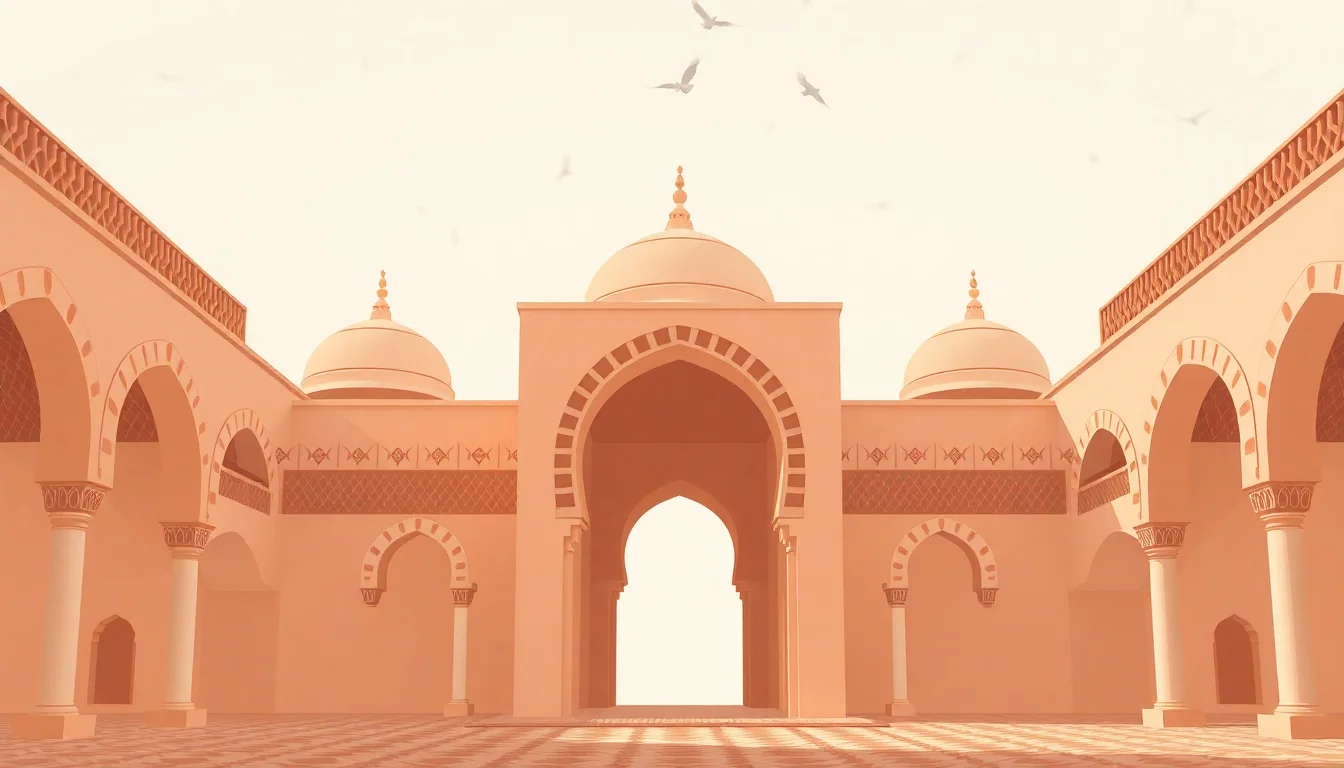
The hallmark of Moorish architecture lies in its decorative richness and structural ingenuity. Expect to see the iconic horseshoe arches, often lobed or multifoil, which create a sense of lightness and visual intrigue. intricate geometric patterns, derived from Islamic aniconism, adorn walls, ceilings, and floors, often rendered in vibrant azulejo tilework. Muqarnas, or honeycomb vaulting, adds a celestial, three-dimensional effect to domes and arches. The use of stucco, carved wood, and intricate latticework (mashrabiya) further enhances the sensory experience, creating spaces that are both visually stunning and remarkably functional.
💰 Historical Context & Influence
The historical context of Moorish architecture is crucial to understanding its development. Emerging after the Umayyad conquest of Hispania in 711 CE, it absorbed and adapted existing architectural forms. The Nasrid dynasty's rule in Granada (1238-1492) represents the zenith of this style, producing masterpieces like the Alhambra. The Reconquista, however, led to the adaptation and sometimes suppression of these styles, with Christian rulers often incorporating Moorish elements into their own palaces and churches, a phenomenon known as Mudéjar style. This layering of cultures is a defining characteristic, demonstrating a dynamic interplay between conquerors and the conquered.
🤔 Debates & Controversies
One of the most persistent debates surrounding Moorish architecture concerns its precise origins and the extent of its influence. While the Islamic roots are undeniable, the degree to which pre-Islamic Iberian and North African styles were adopted versus adapted remains a subject of scholarly discussion. Furthermore, the term 'Moorish' itself is a broad historical label, often applied retrospectively, and can obscure the diverse ethnic and cultural groups involved. The integration of Islamic and Christian elements in Mudéjar art also sparks debate about cultural appropriation versus genuine synthesis. The legacy is complex, marked by periods of both flourishing exchange and forced assimilation.
🌟 Vibe Score & Cultural Resonance
Moorish architecture commands a high Vibe Score of 88/100 for its sheer aesthetic impact and historical depth. Its cultural resonance is profound, evoking a sense of exoticism, mystique, and sophisticated artistry for many. The intricate details and harmonious proportions contribute to a feeling of tranquility and wonder, making it a deeply moving experience for visitors. This style continues to inspire contemporary designers and architects, proving its enduring appeal. The emotional weight of standing within structures that have witnessed centuries of history is palpable, offering a unique connection to the past.
💡 Engineering Marvels
The engineering behind Moorish architecture is as impressive as its ornamentation. The construction of vast structures like the Mezquita of Cordoba, with its forest of over 850 columns, required sophisticated understanding of load-bearing principles and material science for the time. The intricate water systems and gardens within the Alhambra, designed for both aesthetic beauty and climate control, demonstrate advanced hydraulic engineering. The precise geometric calculations underpinning the decorative patterns also speak to a high level of mathematical and astronomical knowledge. These structures are not just beautiful; they are testaments to practical ingenuity.
🔮 Future Trajectories
The future of Moorish architecture lies in its continued inspiration for contemporary design and urban planning. While new constructions in the pure style are rare, its motifs, arch forms, and decorative principles are frequently reinterpreted. Architects globally draw from its emphasis on light, water, and intricate detail to create modern spaces that evoke a similar sense of calm and beauty. The challenge for the future is to honor the historical integrity of the style while adapting it for modern needs and materials, ensuring its legacy continues to evolve without becoming mere pastiche. The potential for innovative fusion remains high.
⭐ What People Say
Visitors frequently express awe at the sheer beauty and craftsmanship. Online reviews often highlight the 'otherworldly' feel of places like the Alhambra, with many praising the intricate tilework and the play of light and shadow. Common sentiments include feeling transported to another time and marveling at the dedication to detail. Some visitors note the crowds, especially during peak season, suggesting that planning ahead is essential. The overwhelming consensus is one of profound admiration for the artistry and historical significance of these structures.
🛠️ Planning Your Visit
Planning a visit to experience Moorish architecture requires strategic thinking. For the Alhambra, booking tickets months in advance is non-negotiable, as daily visitor numbers are strictly limited. Consider visiting during the shoulder seasons (spring or autumn) to avoid the intense summer heat and largest crowds. Wear comfortable shoes, as exploring these sites involves significant walking. For the Mezquita of Cordoba, check for specific visiting hours, as it functions as a cathedral and may have restricted access during services. Engaging a local guide can significantly enhance your understanding of the historical and architectural nuances.
Section 12
Section 13
Section 14
Section 15
Key Facts
- Year
- c. 8th - 15th Century (Peak)
- Origin
- Al-Andalus (Iberian Peninsula) & North Africa
- Category
- Architecture & Design
- Type
- Architectural Style
Frequently Asked Questions
What is the most famous example of Moorish architecture?
The Alhambra in Granada, Spain, is widely considered the most iconic and breathtaking example of Moorish architecture. Its intricate palaces, serene courtyards, and stunning gardens represent the pinnacle of Nasrid dynasty artistry. The Great Mosque of Cordoba is another monumental and historically significant site, showcasing the evolution of the style over centuries.
What are the key visual characteristics of Moorish architecture?
Key characteristics include the distinctive horseshoe arch, elaborate geometric patterns (often in tilework or carved stucco), muqarnas (honeycomb vaulting), intricate latticework (mashrabiya), and the use of vibrant colors. Courtyards with fountains and reflective pools are also common, contributing to a sense of tranquility and emphasizing the importance of water in Islamic design.
Is Moorish architecture only found in Spain?
While Spain, particularly Andalusia, is renowned for its Moorish architectural heritage, the style's influence extends across North Africa, including Morocco (cities like Fez and Marrakech) and parts of Algeria. You can also find significant examples of its adaptation in Mudéjar styles within Christian buildings throughout Spain, reflecting the complex cultural interactions of the Iberian Peninsula.
What is the difference between Moorish and Islamic architecture?
Moorish architecture is a regional style of Islamic architecture that developed in the Iberian Peninsula and North Africa. While all Moorish architecture is Islamic in origin, Islamic architecture is a much broader term encompassing styles from across the Muslim world, from the Middle East to Southeast Asia. Moorish architecture has distinct regional characteristics influenced by local traditions and materials.
When was Moorish architecture most prominent?
The most prominent period for Moorish architecture spans roughly from the 8th century (with the Umayyad conquest of Hispania) through the 15th century. The Nasrid period in Granada (13th-15th centuries) is often considered the zenith, producing masterpieces like the Alhambra. However, its influence and adaptation continued well beyond this period, particularly in the Mudéjar style.
Can I visit these sites easily?
Major sites like the Alhambra and the Mezquita of Cordoba are popular tourist destinations and are generally accessible. However, booking tickets for the Alhambra well in advance is crucial due to visitor limits. The Mezquita has specific visiting hours. Exploring older medinas in Morocco requires navigating bustling urban environments. Always check official websites for the most current information on access and ticketing.