
Contents
Overview
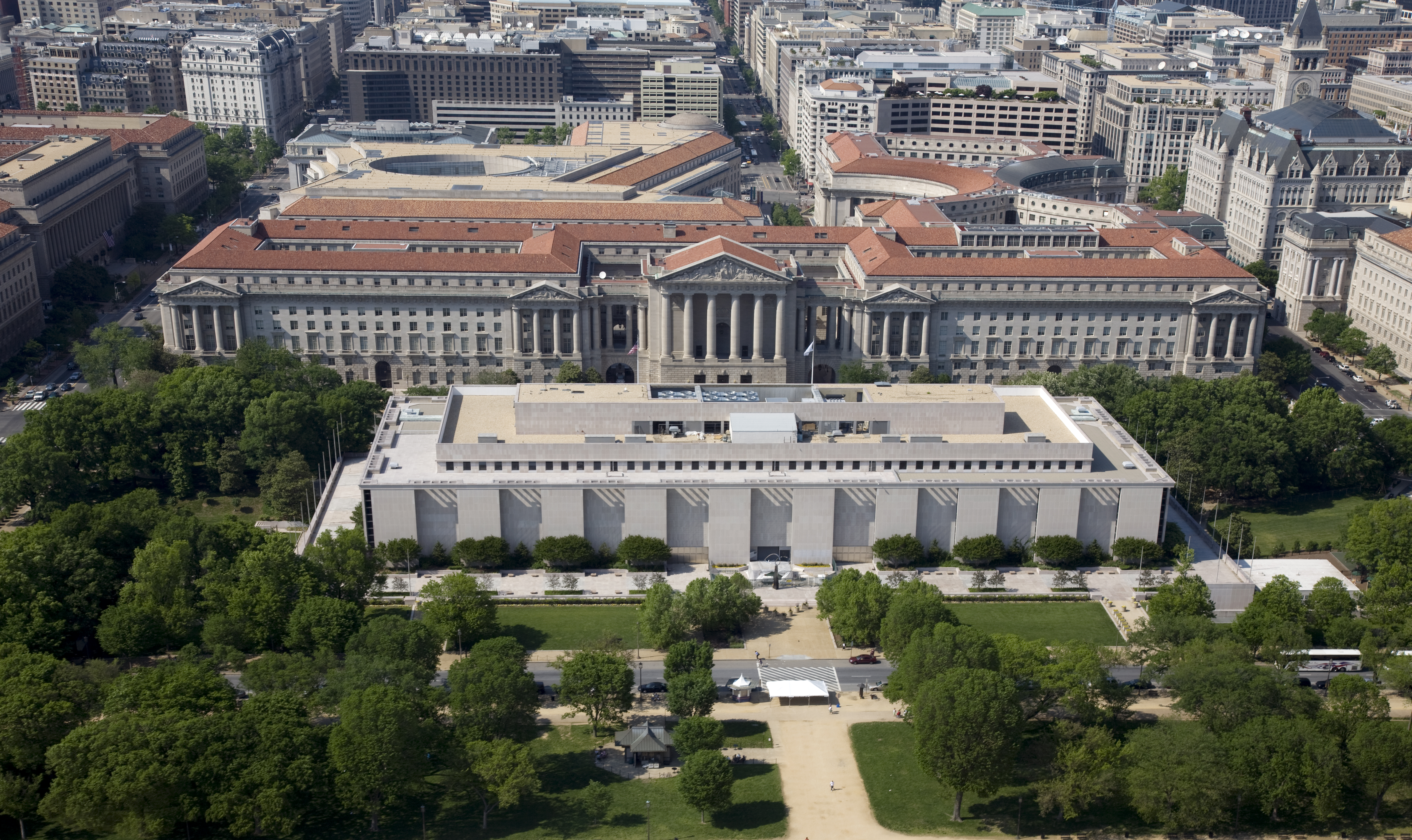
The genesis of the National Museum of American History can be traced back to the establishment of the National Museum of History and Technology in 1964, a pivotal moment in the Smithsonian Institution's expansion. This new entity was conceived to house the growing collections related to American life and innovation, separating them from the broader natural history and art collections. The museum's iconic building, designed by architect J. Edward Sudler, was completed and officially opened its doors in 1964. A significant rebranding occurred when it was renamed the National Museum of American History: Kenneth E. Behring Center, following a substantial donation from Kenneth E. Behring. This renaming underscored a renewed focus on presenting the American story in a more dynamic and accessible manner, aiming to connect with a wider audience through relatable narratives and powerful artifacts.
⚙️ How It Works
The museum operates as a multifaceted institution dedicated to collecting, preserving, researching, and exhibiting artifacts that represent the American experience. Its curatorial departments, covering areas like Political History, Cultural History, and Science and Medicine, manage vast collections, each with specialized conservation and research protocols. The exhibition halls are designed to tell stories through objects, employing a mix of permanent displays and rotating special exhibitions. For instance, the "Star-Spangled Banner" is housed in a state-of-the-art, climate-controlled chamber, a testament to the meticulous preservation efforts. Public access is facilitated through extensive gallery spaces, educational programs, and digital resources, making the museum a dynamic hub for historical inquiry and public engagement with the past.
📊 Key Facts & Numbers
The institution's collection comprises objects representing the American experience. The museum's physical footprint is substantial, covering approximately 700,000 square feet, with over 100,000 square feet dedicated to exhibition space. Its annual operating budget, largely funded by Congress and supplemented by private donations, typically exceeds $50 million. The Smithsonian Institution's endowment is valued in the billions. In 2023, the museum welcomed 2.1 million visitors, ranking it as the eighth-most visited museum in the United States. The institution's collection comprises over 1.7 million objects, with approximately 3,000 on display at any given time.
👥 Key People & Organizations
The Smithsonian Institution serves as the overarching governing body for the National Museum of American History, providing administrative and financial oversight. Key figures in the museum's history include its founding director, S. Dillon Ripley, who also led the broader Smithsonian. The Kenneth E. Behring family's significant philanthropic contribution in 2001 led to the museum's current designation. Numerous curators, historians, and educators, such as Spencer Crewe and Melanie Gibson, contribute expertise across various departments, shaping exhibitions and research.
🌍 Cultural Impact & Influence
The National Museum of American History exerts a profound cultural influence by shaping national memory and providing a tangible connection to the past for millions. Its exhibitions, such as "The American Presidency: A Glorious Burden" and "Within These Walls: Society Has Always Been Shaped by Us," have sparked national conversations about pivotal moments and enduring themes in American life. The display of iconic artifacts like George Washington's uniform and the First Ladies' gowns has cemented these objects as symbols of national identity. The museum's influence extends to popular culture, inspiring documentaries, historical dramas, and educational curricula across the United States, making its collections and narratives accessible far beyond its physical walls.
⚡ Current State & Latest Developments
In 2024, the museum continues to evolve, with ongoing initiatives focusing on digital accessibility and community engagement. Recent exhibitions have explored contemporary issues, such as "Girlhood (It's Complicated)," which examined the multifaceted experiences of young women. The museum is also actively engaged in decolonizing its collections and narratives, a process involving critical re-evaluation of historical interpretations and the inclusion of previously marginalized voices. Plans are underway for further renovations and the development of new exhibition spaces designed to incorporate more interactive and immersive experiences, reflecting the changing expectations of museum visitors in the digital age.
🤔 Controversies & Debates
The museum's approach to history is not without its debates. Critics sometimes question the selection of artifacts, arguing that certain narratives or historical figures are overemphasized while others are underrepresented. The process of "collecting the contemporary"—deciding what objects from recent history are significant enough to preserve—is a constant challenge, with debates arising over the inclusion of items related to recent political events or rapidly changing technologies. Furthermore, discussions around the interpretation of historical events, particularly those involving conflict or social injustice, can be contentious, reflecting broader societal disagreements about national identity and the nation's past. The museum's role in presenting a unified national narrative is itself a subject of ongoing scholarly and public discussion.
🔮 Future Outlook & Predictions
Looking ahead, the National Museum of American History is poised to further integrate digital technologies into its visitor experience, potentially exploring augmented reality overlays for exhibits or virtual tours accessible globally. There's a growing emphasis on collecting and interpreting the history of the 21st century, with a focus on themes like technological innovation, social justice movements, and the impact of globalization. The museum is also likely to deepen its engagement with diverse communities, seeking to co-create exhibitions and programs that reflect a more inclusive and representative understanding of American history. Future developments may include expanded partnerships with other cultural institutions and educational organizations, both domestically and internationally, to broaden its reach and impact.
💡 Practical Applications
The museum's collections and research offer invaluable resources for a wide range of practical applications. Historians and researchers utilize its archives for scholarly work, informing books, documentaries, and academic papers. Educators draw upon its exhibitions and educational materials to develop curricula for K-12 and university students, bringing history to life in classrooms across the United States. The museum's expertise in artifact preservation and display informs best practices in museum management worldwide. Furthermore, its public programming, including lectures, workshops, and family days, provides accessible learning opportunities for the general public, fostering civic engagement and a deeper understanding of national heritage.
Key Facts
- Category
- history
- Type
- topic