
Contents
Overview
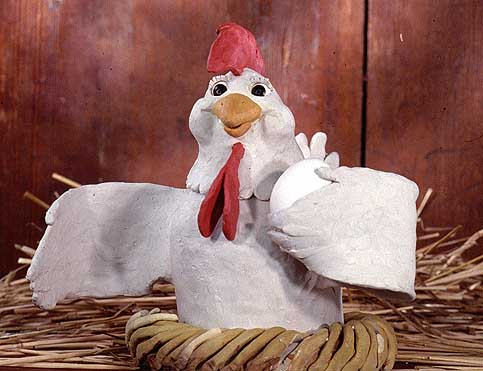
Stop motion is a foundational animation technique where physical objects are moved in minuscule increments between individually photographed frames. When these frames are played back in rapid succession, the manipulated objects appear to move autonomously, creating the illusion of animation. This method can employ a vast array of materials, from articulated puppets and malleable clay figures (claymation) to cutouts and even live actors (pixilation). Its roots trace back to the dawn of cinema. Despite the rise of digital animation, stop motion retains a distinct tactile charm and a dedicated following, evident in contemporary works from studios like Laika and independent filmmakers worldwide. The process is notoriously labor-intensive, demanding immense patience and precision from its practitioners, yet it yields a unique visual texture and a tangible presence that digital mediums often struggle to replicate.
🎵 Origins & History
The genesis of stop motion animation can be traced to the late 19th and early 20th centuries, a period brimming with cinematic innovation. Early experiments laid crucial groundwork. The technique was further popularized by Willis O'Brien, whose groundbreaking work on King Kong (1933) showcased its potential for creating fantastical creatures and epic scenes, establishing a benchmark for special effects. Later, Ray Harryhausen refined these techniques, developing his signature "Dynamation" process for films like The 7th Voyage of Sinbad (1958), which involved compositing stop-motion elements with live-action footage. The mid-20th century saw stop motion flourish in television, notably with beloved shorts and iconic Christmas specials.
⚙️ How It Works
At its core, stop motion animation is a meticulous process of incremental manipulation and photography. Animators begin by constructing or selecting their characters and sets. Each character is typically built around an internal skeleton, or armature, allowing for precise posing. For claymation, pliable modeling clay is molded around a similar armature. The animator then positions the character or object for the first frame, photographs it, and makes a minute adjustment—perhaps moving a limb a fraction of a millimeter or altering a facial expression. This cycle of posing, photographing, and adjusting is repeated hundreds, often thousands, of times for just a few seconds of screen time. The final film is assembled by playing back the sequence of still images at a standard frame rate, typically 24 frames per second, creating the illusion of fluid motion. This hands-on approach imbues the final product with a tangible, almost sculptural quality.
📊 Key Facts & Numbers
The sheer scale of stop motion production is staggering. A single minute of finished animation can require over 1,440 individual photographs if shot at 24 frames per second. Feature films can involve hundreds of thousands, even millions, of individual frames. For instance, Laika Studios' Kubo and the Two Strings (2016) reportedly used over 23,000 individual stop-motion puppets and sets, with animators sometimes spending up to a week on a single 3-second shot. The cost of such productions can easily run into tens or hundreds of millions of dollars, with budgets for films like Isle of Dogs (2018) estimated at $50 million. The labor intensity means that a typical stop motion feature film can take anywhere from 3 to 10 years to complete, involving teams of dozens, sometimes hundreds, of specialized artists and technicians.
👥 Key People & Organizations
Beyond the early pioneers, a pantheon of artists and studios have defined stop motion. Ray Harryhausen's legacy is immense, influencing generations of filmmakers with his creature features. Jim Henson, through The Muppets and Sesame Street, brought puppet animation into millions of homes, creating beloved characters that transcended generations. Nick Park and Aardman Animations are synonymous with claymation, earning Academy Awards for films like Wallace & Gromit: The Curse of the Were-Rabbit (2005). More recently, Travis Knight and Laika Studios have pushed the boundaries of visual complexity and emotional storytelling with films like Coraline (2009) and ParaNorman (2012), demonstrating stop motion's continued relevance in the feature film landscape. Independent animators and smaller studios also play a vital role, often experimenting with new materials and techniques.
🌍 Cultural Impact & Influence
Stop motion animation has profoundly shaped visual culture, offering a distinct aesthetic that digital animation often seeks to emulate. Its tactile nature and the visible evidence of the animator's hand have fostered a deep appreciation for craftsmanship. Films like The Nightmare Before Christmas (1993), directed by Henry Selick and produced by Tim Burton, achieved massive cultural success, introducing stop motion to a new generation and proving its viability as a mainstream cinematic medium. The unique texture and character of stop motion have also influenced live-action filmmaking, inspiring visual effects that mimic its handmade feel. Furthermore, the dedication and patience required for stop motion have become emblematic of artistic perseverance, resonating with audiences who value authenticity and the visible effort behind creative works.
⚡ Current State & Latest Developments
Despite the dominance of computer-generated imagery (CGI), stop motion continues to thrive, adapting to new technologies while retaining its core principles. Laika Studios remains a powerhouse, with their latest feature, Wildwood, slated for release in 2024, promising further innovation in puppet fabrication and animation. The rise of accessible digital cameras and editing software has also democratized the medium, enabling a surge in independent stop motion projects shared on platforms like YouTube and Vimeo. Companies like Stop Motion Studio offer software and tools that streamline the workflow, making it easier for aspiring animators to experiment. The integration of 3D printing has also revolutionized puppet and set creation, allowing for unprecedented detail and complexity, as seen in productions like The House (2022).
🤔 Controversies & Debates
The primary controversy surrounding stop motion often centers on its perceived inefficiency and cost compared to CGI. Critics argue that the immense time and resources required for stop motion are no longer justifiable in a fast-paced production environment, suggesting that CGI can achieve similar results more economically. However, proponents counter that stop motion offers a unique aesthetic and emotional resonance that CGI cannot fully replicate, citing the tangible presence and inherent charm of physical objects. Another debate revolves around the definition of stop motion itself, particularly as digital tools become more integrated; some purists argue that heavy reliance on digital manipulation or 3D printing blurs the lines with other animation forms. The ethical implications of the intense labor involved, often involving long hours and demanding conditions for animators, also surface periodically.
🔮 Future Outlook & Predictions
The future of stop motion appears to be one of co-existence and hybridization, rather than outright replacement by digital techniques. Expect continued advancements in materials science and 3D printing to enable even more intricate puppet designs and set constructions. The integration of motion capture technology, used judiciously, could potentially streamline certain aspects of animation while preserving the tactile feel. Furthermore, as audiences increasingly seek authentic and handcrafted experiences, stop motion's unique appeal is likely to endure, potentially finding new niches in interactive media and virtual reality. The ongoing success of studios like Laika suggests a robust market for high-quality, artistically driven stop motion features, while the accessibility of digital tools will continue to foster a vibrant independent scene.
💡 Practical Applications
Stop motion animation finds practical applications far beyond feature films. It's widely used in advertising, where its unique visual style can make products stand out, often seen in commercials for brands like IKEA or Cadbury. Educational content creators frequently employ stop motion to explain complex concepts in an engaging, visual manner for younger audiences. In the realm of music videos, artists like OK Go have utilized stop motion to create visually striking and memorable promotional material. Furthermore, the technique is a valuable pedagogical tool in art and film schools, teaching students about patience, precision, and the fundamental principles of animation and visual storytelling. Its use in shor
Key Facts
- Category
- aesthetics
- Type
- topic