
Contents
Overview
Utah's outdoor recreation scene isn't just about pretty views; it's a cultural engine with a Vibe Score of 92/100, fueled by a deep-seated reverence for its dramatic landscapes. This is a place where the air itself feels charged with possibility, drawing everyone from hardcore ultramarathon runners to families seeking their first taste of desert magic. The state’s identity is inextricably linked to its public lands, a point of pride and, at times, contention, shaping everything from local economies to political discourse. Expect a blend of rugged individualism and community spirit, where sharing a trail often leads to shared stories and a mutual respect for the wild. It’s a living, breathing entity, constantly evolving with new trails, new challenges, and new generations of adventurers.
📍 Where to Play: A State of Parks
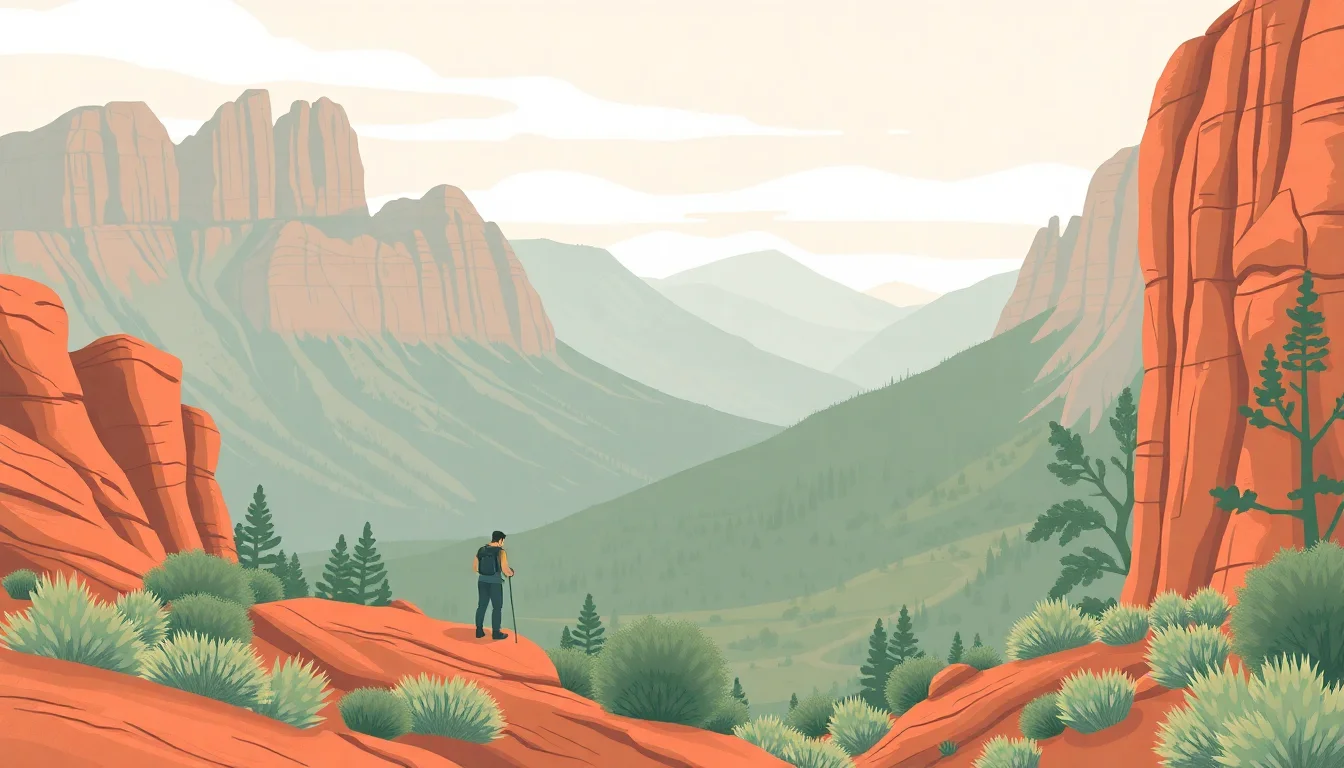
The sheer concentration of iconic outdoor destinations is staggering. Utah boasts five National Parks, often dubbed the 'Mighty 5': Zion, Bryce Canyon, Arches, Canyonlands, and Capitol Reef. Beyond these crown jewels, the state manages 43 State Parks, countless National Forests, and vast tracts of Bureau of Land Management (BLM) land, offering an almost infinite playground. Each region presents a distinct character, from the towering sandstone cliffs of Zion to the otherworldly hoodoos of Bryce, the delicate arches of Arches, the vast maze of canyons in Canyonlands, and the Waterpocket Fold of Capitol Reef. This geographical diversity means you can experience entirely different worlds within a few hours' drive, making Utah road trips legendary.
🧗♀️ What to Do: From Peaks to Canyons
The activity spectrum here is as broad as the sky. Hikers can tackle everything from short, accessible rim trails to multi-day backcountry expeditions in places like the Needles District of Canyonlands. Rock climbers and canyoneers find world-class routes and descents, particularly around Moab and Zion, attracting global talent. Mountain bikers have a legendary reputation, with the Slickrock Trail being a pilgrimage site, but countless other systems cater to all skill levels. Anglers cast lines in pristine alpine lakes and rushing rivers, while boaters and kayakers navigate the Colorado River or the serene waters of Lake Powell. Even winter offers opportunities, with Utah's 'Greatest Snow on Earth' drawing skiers and snowboarders to resorts like Alta Ski Area and Park City.
⏱️ When to Go: Seasons of Adventure
Timing your visit is crucial to maximizing your experience and avoiding the crowds. Spring (April-May) and Fall (September-October) generally offer the most pleasant temperatures for hiking and exploring the southern desert parks, with wildflowers blooming in spring and vibrant foliage in the fall. Summer (June-August) can be intensely hot in the desert, making early mornings and late evenings the prime activity times, while higher elevations offer cooler respite. Winter (November-March) transforms the landscape, bringing snow to the mountains for skiing and a quieter, stark beauty to the desert parks, though some roads and trails may be inaccessible. Each season presents a unique Utah weather profile and a different set of recreational opportunities.
💰 Budgeting Your Adventure
Utah's outdoor recreation can be surprisingly affordable, but costs can escalate quickly depending on your style. Entrance fees for National Parks are typically $35 per vehicle for a 7-day pass, while State Parks are often $10-$15. Camping fees range from $20-$50 per night for developed campgrounds, with backcountry permits varying. Gear rental for activities like biking or climbing can add $50-$150 per day. For budget travelers, dispersed camping on BLM land (where permitted) is often free, and many of the most spectacular hikes require no fees at all. Consider purchasing an America the Beautiful Pass ($80 annually) if you plan to visit multiple National Parks within a year, as it covers entrance fees for a full year.
🚗 Getting Around Utah's Wilds
Navigating Utah's vast outdoor spaces requires thoughtful planning. A reliable vehicle, preferably with good clearance, is essential for accessing trailheads and campgrounds, especially outside major tourist hubs. While some popular areas like Zion Canyon are served by free shuttle systems during peak season, many remote trailheads are only accessible by private car. Download offline maps, as cell service is notoriously spotty in canyons and remote wilderness areas. For longer trips or exploring backcountry, consider renting a high-clearance 4x4 vehicle. Understanding road conditions and seasonal closures is paramount, particularly for mountain passes and unpaved roads.
⭐ What Locals & Visitors Say
Visitors consistently rave about the sheer scale and accessibility of Utah's natural wonders. 'It feels like stepping onto another planet,' is a common refrain regarding places like Monument Valley or the otherworldly formations of Goblin Valley State Park. Locals, while often protective of their access, are generally welcoming and proud of their state's natural heritage. However, the increasing popularity means managing expectations around crowds, especially during peak seasons at Zion and Arches. The debate over land management and balancing recreation with conservation is a constant undercurrent, with many visitors expressing a desire to tread lightly and preserve these incredible places for future generations. The Vibe Score for 'Respectful Exploration' is consistently high, reflecting this shared value.
💡 Pro Tips for Your Utah Trip
To truly immerse yourself in Utah's outdoor offerings, embrace the early bird mentality. Trailheads at popular spots like Angels Landing in Zion fill up before sunrise, and securing permits for certain hikes, like the Subway, requires advance planning and often luck. Pack layers of clothing, as temperatures can fluctuate dramatically throughout the day and at different elevations. Hydration is non-negotiable; carry more water than you think you'll need, especially in the desert. Always practice Leave No Trace principles: pack out everything you pack in, stay on marked trails, and respect wildlife. For those seeking solitude, explore the less-visited areas of Canyonlands or Capitol Reef, or venture out during the shoulder seasons. Consider hiring a local guide for specialized activities like canyoneering or multi-day backpacking trips to enhance safety and experience.
Key Facts
- Year
- 2024
- Origin
- Vibepedia.wiki
- Category
- Outdoor Recreation
- Type
- Resource Guide
Frequently Asked Questions
What are the 'Mighty 5' National Parks in Utah?
Utah's 'Mighty 5' are Zion, Bryce Canyon, Arches, Canyonlands, and Capitol Reef National Parks. Each offers a unique geological spectacle, from the towering sandstone cliffs of Zion to the unique hoodoos of Bryce Canyon and the natural arches of Arches. They are the state's most famous natural attractions and draw millions of visitors annually. Planning ahead is essential due to their popularity, especially for lodging and timed entry permits at some parks.
Is Utah good for beginners in outdoor activities?
Absolutely. Utah offers a spectrum of experiences suitable for beginners. Many National and State Parks have well-maintained, relatively flat trails perfect for introductory hikes, like the Pa'rus Trail in Zion or the paved paths around Bryce Amphitheater. Beginner-friendly mountain bike trails exist in areas like the Hurricane Cliffs trail system. Numerous outfitters also offer guided tours and lessons for activities like rafting, rock climbing, and canyoneering, making it easy for newcomers to safely explore.
What is the best time of year to visit Utah for outdoor recreation?
The shoulder seasons—spring (April-May) and fall (September-October)—are generally considered ideal for most outdoor activities in Utah, particularly in the southern desert regions. These months offer moderate temperatures perfect for hiking and exploring. Summer can be extremely hot in the desert but is excellent for high-elevation hiking and water sports. Winter is prime time for skiing and snowboarding in the mountains, while the desert parks offer a stark, less crowded beauty.
Do I need a special permit for hiking in Utah's National Parks?
While many hikes in Utah's National Parks do not require permits, some of the most sought-after or strenuous routes do. For example, the Angels Landing hike in Zion requires a permit obtained through a lottery system. Similarly, overnight backpacking trips in any National Park necessitate a wilderness permit. It's crucial to check the official National Park Service website for the specific park you plan to visit to understand permit requirements, lottery deadlines, and fees well in advance of your trip.
How crowded do Utah's outdoor destinations get?
Utah's most famous destinations, particularly Zion and Arches National Parks, can become extremely crowded, especially during peak season (summer) and on weekends. Expect long lines for shuttles, parking challenges, and busy trails. To mitigate this, consider visiting during the shoulder seasons, exploring less-visited parks like Capitol Reef or Canyonlands, or visiting popular parks on weekdays. Some parks, like Arches, have implemented timed entry systems to manage visitor numbers.
What are the Leave No Trace principles, and why are they important in Utah?
Leave No Trace (LNT) is a set of seven ethical guidelines for outdoor recreationists focused on minimizing impact. These include planning ahead and preparing, traveling and camping on durable surfaces, disposing of waste properly, leaving what you find, minimizing campfire impacts, respecting wildlife, and being considerate of other visitors. They are critically important in Utah due to the fragile desert ecosystems, the high volume of visitors, and the potential for lasting damage to sensitive geological formations and scarce water resources.