
Contents
- 🦠 What is Vibrio cholerae?
- 📍 Where Does it Live?
- 📈 The Cholera Connection: Pathogenic Strains
- 🍽️ Transmission Routes: From Water to Plate
- 🔬 Identifying the Culprit: Diagnosis & Testing
- 🛡️ Prevention is Key: Staying Safe
- 💊 Treatment Options: When Prevention Fails
- 🌍 Global Impact & Historical Outbreaks
- 🔬 Research & Future Directions
- 🤔 Vibrio cholerae: A Contested Legacy
- Frequently Asked Questions
- Related Topics
Overview
Vibrio cholerae is a Gram-negative bacterium infamous for causing cholera, a severe diarrheal disease. Its primary mode of transmission is through contaminated water and food, making sanitation and access to clean water critical control factors. While often associated with historical pandemics, V. cholerae remains a persistent threat in many parts of the world, particularly during humanitarian crises and in regions with inadequate infrastructure. Understanding its virulence factors, such as cholera toxin, and its environmental persistence is key to developing effective prevention and treatment strategies. The bacterium's ability to adapt and evolve presents ongoing challenges for public health interventions.
🦠 What is Vibrio cholerae?
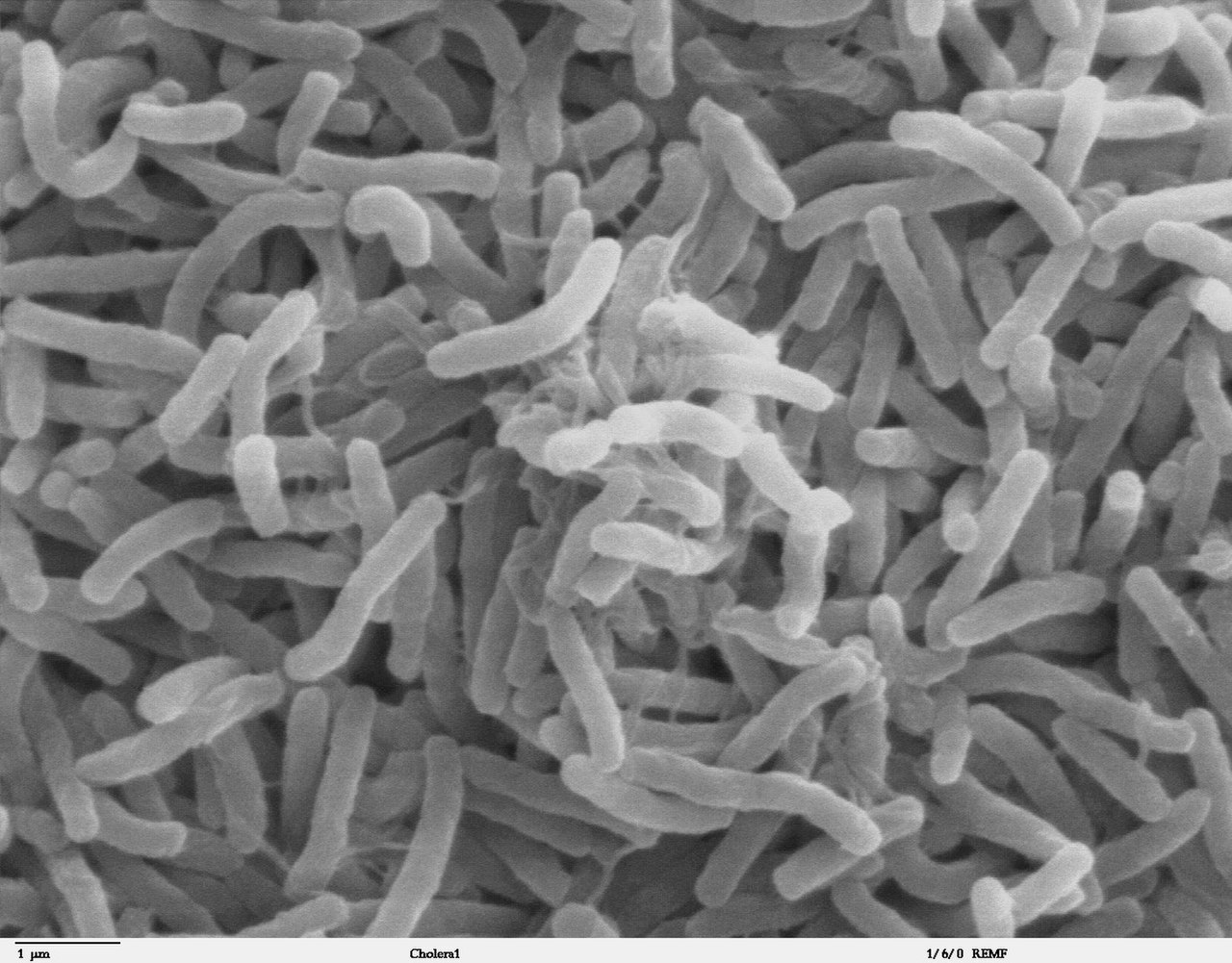
Vibrio cholerae is a Gram-negative, facultative anaerobic bacterium, recognized by its distinctive comma shape. This microscopic organism is a master of adaptation, thriving in diverse aquatic environments. While many strains are harmless commensals, a subset possesses the terrifying capacity to cause cholera, a devastating diarrheal disease. Understanding its basic biology is the first step in appreciating its profound impact on human health and history.
📍 Where Does it Live?
Naturally, Vibrio cholerae calls brackish and saltwater environments home. It exhibits a strong affinity for surfaces, particularly the chitin-rich exoskeletons of crustaceans like crabs and shrimp. This ecological niche means that coastal and estuarine regions are primary reservoirs. The bacteria can persist in these environments, often attached to vegetation or plankton, waiting for opportunities to interact with other life forms, including humans.
📈 The Cholera Connection: Pathogenic Strains
The distinction between non-pathogenic and pathogenic Vibrio cholerae is critical. Pathogenic strains, notably O1 and O139 serogroups, are responsible for the vast majority of cholera outbreaks. These virulent types produce a potent toxin, cholera toxin, which disrupts intestinal function, leading to rapid and severe fluid loss. The presence of specific virulence factors, such as the toxin-coregulated pilus (TCP), is a hallmark of these dangerous variants.
🍽️ Transmission Routes: From Water to Plate
The primary routes of Vibrio cholerae transmission to humans are through the consumption of contaminated food and water. Ingesting undercooked or raw shellfish harvested from contaminated waters is a significant risk factor. Similarly, drinking water contaminated with fecal matter containing the bacteria, especially during waterborne disease outbreaks, can lead to rapid infection. Proper sanitation and food handling are paramount in disrupting these transmission chains.
🔬 Identifying the Culprit: Diagnosis & Testing
Diagnosing Vibrio cholerae infection typically involves laboratory testing of stool samples. Rapid diagnostic tests (RDTs) can provide quick results, crucial for initiating prompt treatment during outbreaks. Culture-based methods, while taking longer, offer definitive identification and allow for antimicrobial resistance profiling, which is vital for guiding effective therapy. Early and accurate diagnosis is a cornerstone of effective public health response.
🛡️ Prevention is Key: Staying Safe
Preventing Vibrio cholerae infection hinges on robust sanitation and hygiene practices. Access to safe drinking water, proper disposal of human waste, and thorough handwashing with soap are fundamental. For individuals in endemic areas or traveling to high-risk regions, consuming only thoroughly cooked shellfish and avoiding raw or undercooked seafood is essential. Public health campaigns often focus on educating communities about these preventative measures.
💊 Treatment Options: When Prevention Fails
Treatment for cholera primarily focuses on rapid rehydration to counteract the severe fluid and electrolyte loss. Oral rehydration solutions (ORS) are the first line of defense for mild to moderate cases. In severe instances, intravenous fluids are necessary. Antibiotics can shorten the duration of illness and reduce the severity of symptoms, but they are not a substitute for aggressive fluid replacement. The choice of antibiotic depends on local resistance patterns.
🌍 Global Impact & Historical Outbreaks
The history of Vibrio cholerae is intertwined with devastating pandemics. The first recorded cholera pandemic began in Bengal in 1817, spreading globally and causing millions of deaths. Subsequent pandemics, driven by different serogroups and evolving strains, have continued to shape global health. The John Snow mapping of the Broad Street pump outbreak in London in 1854 remains a landmark in understanding disease transmission and the importance of environmental factors.
🔬 Research & Future Directions
Ongoing research into Vibrio cholerae focuses on understanding its complex genomics, developing more effective vaccines, and improving diagnostic tools. Scientists are investigating novel approaches to combat antimicrobial resistance, a growing concern that complicates treatment. Efforts are also directed at predicting and responding to future outbreaks more effectively, particularly in vulnerable populations affected by climate change and inadequate infrastructure.
🤔 Vibrio cholerae: A Contested Legacy
The legacy of Vibrio cholerae is one of both immense suffering and scientific advancement. While its pathogenic strains have caused untold misery through cholera pandemics, the study of this bacterium has spurred critical developments in epidemiology, public health, and microbiology. Debates persist regarding the optimal strategies for global cholera control, balancing immediate outbreak response with long-term investments in water and sanitation infrastructure.
Key Facts
- Year
- 1854
- Origin
- India
- Category
- Biology & Health
- Type
- Microorganism
Frequently Asked Questions
What are the main symptoms of cholera?
The primary symptom of cholera is profuse, watery diarrhea, often described as 'rice-water' stools. This is typically accompanied by vomiting, rapid dehydration, and muscle cramps. The onset is usually sudden, and the severity can range from mild to life-threatening within hours if not treated promptly.
Are all Vibrio cholerae strains dangerous?
No, not all strains of Vibrio cholerae are dangerous to humans. Many strains exist naturally in aquatic environments without causing disease. Only specific serogroups, primarily O1 and O139, possess the genetic makeup to produce the potent cholera toxin responsible for the severe symptoms of cholera.
How can I protect myself from Vibrio cholerae when traveling?
When traveling to areas where cholera is prevalent, prioritize safe drinking water by consuming bottled or boiled water. Ensure all food is thoroughly cooked and served hot, and avoid raw or undercooked shellfish. Practice diligent hand hygiene, especially before eating and after using the toilet. Be cautious of ice in drinks, as it may be made from contaminated water.
What is the role of shellfish in Vibrio cholerae transmission?
Shellfish, such as oysters, clams, and mussels, can accumulate Vibrio cholerae from contaminated water. When consumed raw or undercooked, these shellfish can serve as a direct vehicle for transmitting the bacteria to humans. Proper cooking kills the bacteria, significantly reducing the risk of infection.
Can Vibrio cholerae cause other illnesses besides cholera?
While cholera is the most well-known disease caused by Vibrio cholerae, other related Vibrio species can cause different types of infections. For instance, Vibrio parahaemolyticus and Vibrio vulnificus can cause gastroenteritis and severe wound infections or sepsis, respectively, often linked to consuming raw seafood or exposure to contaminated seawater.
How effective are cholera vaccines?
Cholera vaccines, such as oral cholera vaccines (OCVs), can provide significant protection against the disease, though their effectiveness and duration vary. They are considered an important tool in cholera control strategies, especially in conjunction with improved water, sanitation, and hygiene (WASH) measures. Vaccines are often used to supplement traditional control methods during outbreaks or in high-risk areas.