
Contents
Overview
The concept of the American Frontier began not with the United States, but with the earliest European colonial settlements in North America. These initial outposts represented the first 'frontiers' against Indigenous peoples and the vast, unknown continent. The westward push accelerated dramatically after the Louisiana Purchase in 1803, doubling the size of the young nation and igniting the spirit of manifest destiny – the belief that Americans were divinely ordained to expand across the continent. Key expeditions like the Lewis and Clark Expedition (1804-1806) mapped these new territories, paving the way for settlers, ranchers, miners, and the eventual displacement of Native American tribes. The admission of New Mexico as a state in 1912 is often cited as the symbolic end of the frontier era, though the concept's cultural resonance persists.
⚙️ How It Worked: The Frontier Process
The 'frontier process' was less a singular event and more a repeating cycle of exploration, settlement, resource extraction, and conflict. Pioneers, often driven by economic opportunity or religious freedom, ventured into territories previously inhabited by Indigenous nations like the Lakota, Navajo, and Cheyenne. This expansion was facilitated by government policies such as the Homestead Act of 1862, which offered 160 acres of federal land to settlers who would cultivate it. The development of infrastructure, particularly the Transcontinental Railroad completed in 1869 by companies like the Union Pacific Railroad, was crucial in connecting these new settlements to established markets and enabling further migration. This process inevitably led to clashes over land, resources, and cultural dominance, shaping the violent reputation of the 'Wild West.'
📊 Key Facts & Numbers
The scale of westward expansion was staggering. Between 1800 and 1900, the United States' population grew from approximately 5.3 million to over 76 million, with a significant portion of this growth fueled by migration to western territories. By 1890, the U.S. Census Bureau declared that a discernible frontier line no longer existed, a statement based on the fact that fewer than two persons per square mile inhabited the remaining unsettled areas, a threshold of 2 people per square mile. The California Gold Rush, beginning in 1848, saw over 300,000 people migrate to California in just two years. The cattle industry boomed, with an estimated 7.5 million cattle driven north from Texas between 1866 and 1886. Over 250,000 Chinese immigrants contributed significantly to the construction of the Transcontinental Railroad, facing immense discrimination.
👥 Key People & Organizations
Numerous figures embody the spirit and reality of the American Frontier. Daniel Boone, a legendary frontiersman, explored and settled areas of Kentucky in the late 18th century, becoming an icon of wilderness survival. Buffalo Bill Cody's 'Wild West Show' (founded 1883) popularized romanticized visions of frontier life, featuring sharpshooters like Annie Oakley and Native American performers like Sitting Bull. John Wesley Powell, a one-armed Civil War veteran, led crucial expeditions down the Colorado River and advocated for water management in arid western lands. Organizations like the U.S. Army played a significant role in military campaigns against Native American tribes, while railroad magnates like Leland Stanford and Collis P. Huntington were instrumental in westward expansion.
🌍 Cultural Impact & Influence
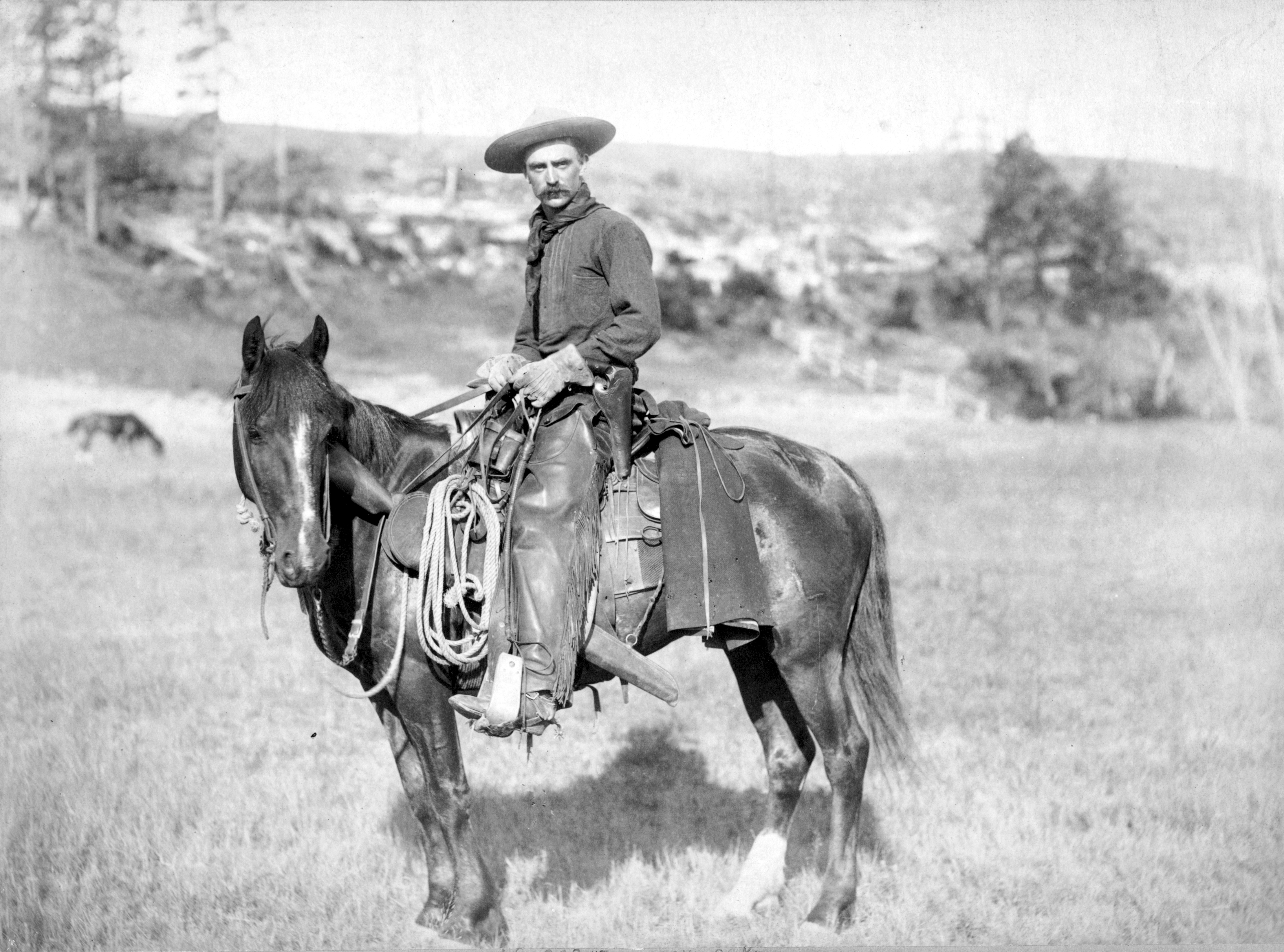
The American Frontier has indelibly shaped United States culture and national identity, forming the bedrock of the Western genre in literature, film, and television. The mythos of the rugged individualist, the heroic cowboy, and the untamed wilderness are direct descendants of frontier narratives. This romanticized image, however, often overshadows the brutal realities of displacement and violence against Indigenous peoples, the harsh living conditions faced by settlers, and the contributions of diverse groups like Chinese Americans, Mexican Americans, and African Americans who were integral to frontier development. The concept of the frontier also influenced American foreign policy and its expansionist tendencies throughout the 20th century.
⚡ Current State & Latest Developments
While the historical frontier officially closed in 1912, its cultural and ideological echoes persist. The concept of 'frontier' continues to be invoked in discussions about new technological frontiers, such as artificial intelligence and space exploration, framing them as new domains to be conquered and settled. Debates about land use, resource management, and the rights of Indigenous peoples in regions like the American Southwest and Alaska reflect ongoing tensions rooted in the frontier's legacy. Contemporary artists and historians continue to re-examine and deconstruct the traditional frontier narrative, seeking to incorporate marginalized voices and challenge the dominant myths.
🤔 Controversies & Debates
The American Frontier is a subject of intense controversy, primarily concerning its portrayal and impact on Native American history. Critics argue that the romanticized 'Wild West' narrative glosses over the genocide, forced displacement, and cultural destruction inflicted upon Indigenous populations by settlers and the U.S. government. The concept of 'civilizing' the West is seen by many as a justification for colonial expansion. Furthermore, the myth of the self-reliant frontiersman often ignores the crucial roles played by collective labor, government subsidies (especially for railroads), and the exploitation of various ethnic groups. The very definition of 'frontier' – implying an empty land waiting to be claimed – erases the pre-existing sovereignty and complex societies of Native nations.
🔮 Future Outlook & Predictions
The future outlook for the 'frontier' concept is one of continued reinterpretation and critical engagement. Historians and cultural critics are increasingly focused on decolonizing the narrative, emphasizing the experiences of Indigenous peoples and other marginalized groups. Future scholarship will likely explore the environmental consequences of frontier expansion, such as the impact on biodiversity and water resources in the American West. The idea of a 'new frontier' will undoubtedly persist, but its application may shift from territorial conquest to technological innovation and the ethical challenges of exploring new scientific and digital landscapes. The legacy of the frontier serves as a cautionary tale about the costs of unchecked expansion and the importance of acknowledging all perspectives.
💡 Practical Applications
While the physical frontier has closed, its spirit of exploration and resource development finds echoes in modern applications. The development of arid land management techniques, pioneered by figures like John Wesley Powell, informs contemporary water conservation strategies in places like Arizona. The rugged individualism associated with frontier archetypes influences the entrepreneurial spirit in Silicon Valley's startup culture. Furthermore, the historical frontier's impact on land ownership and property rights continues to shape legal and political debates surrounding resource extraction, conservation efforts in national parks like Yellowstone National Park, and the rights of Indigenous peoples to their ancestral lands. The narrative itself is a practical tool, shaping tourism and popular culture through Western-themed attractions and media.
Key Facts
- Category
- history
- Type
- topic