
Contents
Overview
The concept of 'style' in art, as a means of classification and understanding, has a long and evolving history. While ancient civilizations like the Egyptians and Greeks developed recognizable visual conventions, the formalization of style as an analytical tool gained traction during the Renaissance. Art historians like Giorgio Vasari began to identify distinct periods and individual artists' 'manners.' The 19th century saw a more systematic approach, with scholars like Giovanni Morelli developing rigorous methods for attributing works based on stylistic details, such as earlobes and fingernails. The 20th century brought movements like Formalism, which emphasized the visual elements of art itself, further solidifying style as a primary lens for analysis. Early art historical texts, such as those by Heinrich Wölfflin, meticulously compared stylistic differences between Renaissance and Baroque art, establishing foundational comparative methodologies that still resonate today. The very notion of 'style' as a discrete, identifiable characteristic has been central to how art history has been constructed, shaping our understanding of artistic lineage and innovation.
⚙️ How It Works
Artistic style operates through a complex interplay of visual elements and techniques that an artist employs consistently. This includes the choice of medium (e.g., oil paint, marble, digital), color palette, line quality (e.g., sharp, soft, gestural), application of paint (e.g., smooth, impasto, visible strokes), composition (arrangement of elements), perspective, and texture. These elements combine to create a recognizable 'look' or 'feel.' For instance, the Impressionist style is characterized by visible brushstrokes, an emphasis on light and its changing qualities, and often ordinary subject matter, as seen in works by Claude Monet and Pierre-Auguste Renoir. Conversely, the sleek, minimalist aesthetic of Bauhaus design continues to inform modern product design and architecture. The consistent application of these visual choices, whether conscious or subconscious, allows viewers and critics to identify and categorize a work within a particular style.
📊 Key Facts & Numbers
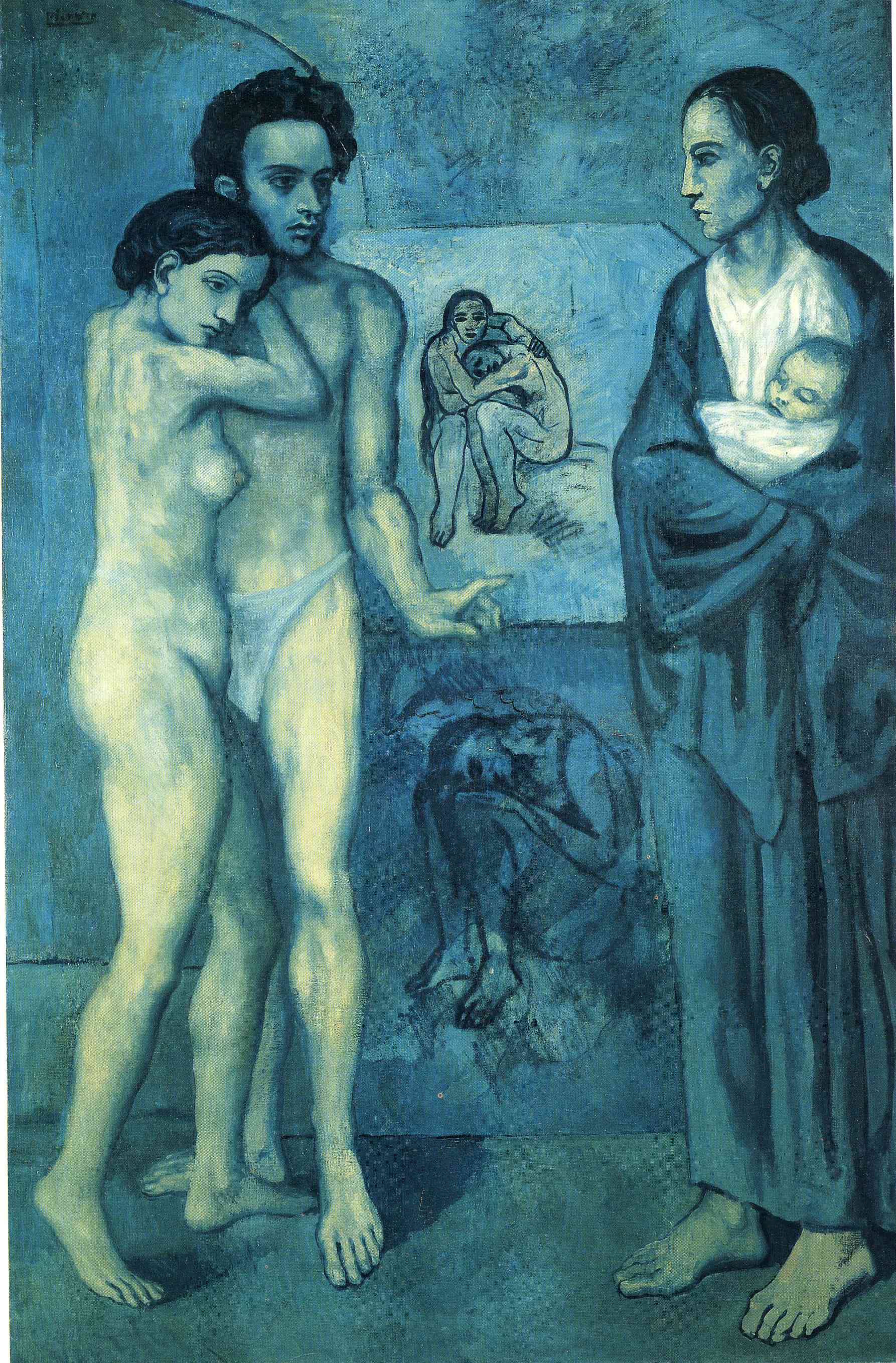
Globally, there are thousands of recognized artistic styles, with major movements often encompassing hundreds or thousands of individual artists. The rebellious spirit and visual language of Punk rock in the 1970s, with its DIY ethos and raw aesthetic, left an indelible mark on graphic design and fashion. The vibrant colors and dynamic compositions of Pop Art permeated advertising and consumer culture. Styles act as visual shorthand, communicating cultural values, social commentary, and emotional states. The global art market, valued at over $65 billion annually, relies heavily on stylistic classification for authentication and valuation. A single artist like Pablo Picasso is associated with at least 10 distinct stylistic periods throughout his career, each marked by significant shifts in form and color, demonstrating the dynamic nature of individual stylistic evolution.
👥 Key People & Organizations
Key figures in defining and propagating artistic styles are numerous, spanning artists, critics, and historians. Artists like Leonardo da Vinci (High Renaissance), Vincent van Gogh (Post-Impressionism), and Jackson Pollock (Abstract Expressionism) are synonymous with their respective styles. Critics such as Clement Greenberg championed Abstract Expressionism and its stylistic tenets, while historians like Erwin Panofsky developed iconographic methods to analyze meaning within stylistic frameworks. Organizations like the Museum of Modern Art (MoMA) in New York and the Tate Modern in London play crucial roles in exhibiting and contextualizing works by style, influencing public perception and academic discourse. The Louvre in Paris houses seminal examples of countless historical styles, serving as a global benchmark.
🌍 Cultural Impact & Influence
Artistic styles profoundly shape cultural landscapes, influencing not only fine art but also design, fashion, architecture, and even popular media. The sleek, minimalist aesthetic of Bauhaus design, for instance, continues to inform modern product design and architecture. The rebellious spirit and visual language of Punk rock in the 1970s, with its DIY ethos and raw aesthetic, left an indelible mark on graphic design and fashion. Similarly, the vibrant colors and dynamic compositions of Pop Art, pioneered by artists like Andy Warhol, permeated advertising and consumer culture. Styles act as visual shorthand, communicating cultural values, social commentary, and emotional states. The widespread adoption of stylistic elements across different media demonstrates their power to resonate with and influence broad audiences, often transcending their original artistic context.
⚡ Current State & Latest Developments
The contemporary art world is characterized by a pluralism of styles, often blurring traditional boundaries. While major historical movements are well-documented, new styles and sub-styles emerge constantly, driven by globalization, digital technologies, and cross-cultural exchange. The rise of digital art has introduced styles like Glitch Art and Generative Art, utilizing algorithms and software as primary tools. Street art, exemplified by artists like Banksy, has evolved into a globally recognized style with distinct visual markers. Furthermore, the art market increasingly values unique, individual styles that defy easy categorization, leading to a more fluid and personalized approach to artistic expression. The increasing accessibility of art creation tools via platforms like Procreate and Adobe Photoshop allows for rapid experimentation and stylistic innovation.
🤔 Controversies & Debates
The very definition and categorization of style are subjects of ongoing debate. Critics sometimes argue that the emphasis on style can lead to superficial analysis, prioritizing aesthetics over deeper conceptual meaning or social critique. The concept of 'style' can also be used to essentialize or stereotype artists and cultures, particularly when applied rigidly to non-Western art forms. Furthermore, the commodification of style in the art market can lead to trends that prioritize marketability over artistic integrity. The debate over whether style is an inherent quality of the artwork or a construct imposed by viewers and critics remains a persistent tension in art theory. The rise of Postmodernism challenged the notion of singular, progressive styles, emphasizing pastiche and appropriation.
🔮 Future Outlook & Predictions
The future of artistic styles will likely be shaped by advancements in Artificial Intelligence and virtual reality. AI-powered tools are already capable of generating novel visual styles, raising questions about authorship and originality. Virtual Reality environments offer new canvases for artists, potentially leading to styles that are immersive and interactive. We may see a greater emphasis on 'personalized' styles, where individuals curate or even generate their own unique aesthetic expressions. The ongoing globalization of culture will continue to foster hybrid styles, blending influences from diverse traditions. The very concept of a distinct 'style' might become more fluid, with artists freely borrowing and remixing elements from across history and cultures, creating a dynamic and ever-evolving visual lexicon.
💡 Practical Applications
Understanding artistic styles has numerous practical applications. In art conservation, stylistic analysis is crucial for authenticating artworks and guiding restoration efforts, helping conservators match original techniques and materials. For art collectors and investors, identifying a style is key to understandi
Key Facts
- Category
- aesthetics
- Type
- topic