
Contents
Overview
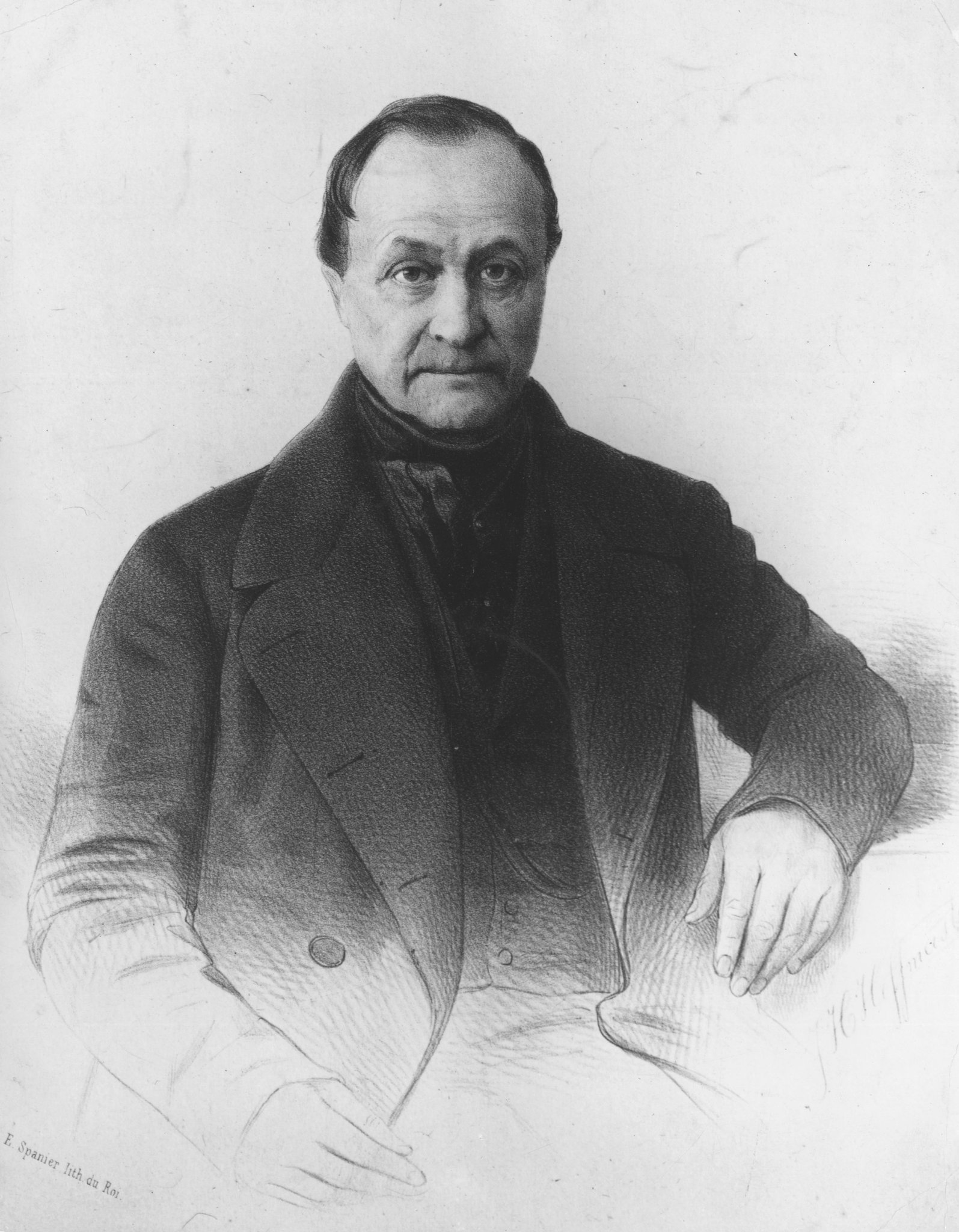
Auguste Comte was born in 1798 in Montpellier, France, during the tumultuous aftermath of the French Revolution. His early education under the influence of Enlightenment thinkers like Henri de Saint-Simon and Jean-Baptiste Fourier shaped his belief in applying scientific rigor to societal issues. Comte’s work, Cours de philosophie positive (1830–1842), systematized his philosophy, which later inspired figures like Karl Marx and Émile Durkheim. His death in 1857 marked the end of an era, but his ideas endured through institutions like the Positivist Church he founded, which blended science with spiritual reverence for progress.
⚙️ How It Works
Comte’s positivism proposed that human knowledge evolves through three stages: theological, metaphysical, and positive (scientific). He argued that society should prioritize empirical observation over abstract speculation, a framework that influenced John Stuart Mill’s utilitarianism and Max Weber’s sociological methods. Comte introduced the term 'sociology' to study social structures scientifically, a concept that later became central to Émile Durkheim’s work. His 'social physics' sought to apply mathematical laws to human behavior, a precursor to modern data-driven social analysis.
🌍 Cultural Impact
Comte’s cultural impact is profound, as he formalized sociology as a discipline and championed the scientific method’s supremacy in understanding human affairs. His ideas shaped the Enlightenment’s legacy and influenced movements like the Industrial Revolution’s emphasis on progress. Critics like Friedrich Nietzsche later challenged his deterministic views, but Comte’s advocacy for empirical evidence remains foundational in fields like economics and psychology. His Positivist Church, though niche, symbolized the fusion of science and spirituality, a concept that resonates in modern transhumanist circles.
🔮 Legacy & Future
Today, Comte’s legacy lives in the dominance of positivism in academia and technology. His emphasis on data and observation underpins AI research, big data analytics, and evidence-based policymaking. However, debates persist about positivism’s limitations in addressing subjective human experiences, a critique echoed by postmodern thinkers like Michel Foucault. As society grapples with AI ethics and climate science, Comte’s vision of a scientifically ordered world remains both a cornerstone and a contested ideal.
Key Facts
- Year
- 1798–1857
- Origin
- Montpellier, France
- Category
- philosophy
- Type
- person
Frequently Asked Questions
What are the three stages of human thought in Comte’s positivism?
Comte proposed theological, metaphysical, and positive (scientific) stages, arguing that society progresses from religious explanations to empirical science.
How did Comte influence sociology?
He coined 'sociology' and advocated for studying society through empirical methods, directly inspiring Émile Durkheim’s work in the field.
What is 'social physics'?
Comte’s concept of applying mathematical laws to human behavior, a precursor to modern data-driven social analysis.
Why is Comte controversial today?
Critics argue positivism neglects subjective experiences and cultural context, a critique amplified by postmodern thinkers like Michel Foucault.
How does Comte’s work relate to modern AI?
His emphasis on empirical data and scientific rigor underpins AI research and big data analytics, though modern debates question his deterministic views.