
Contents
Overview
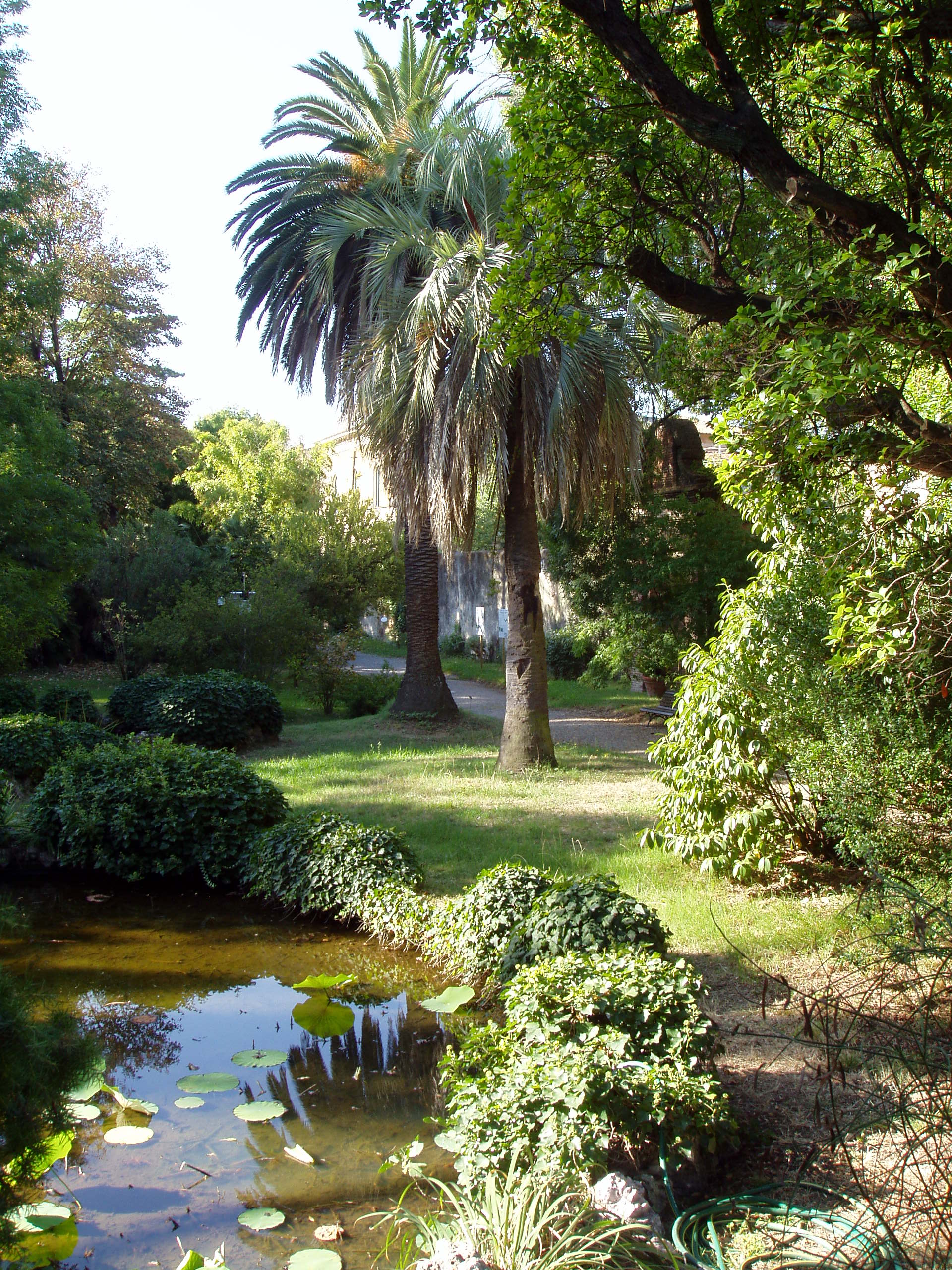
A botanical garden is a meticulously curated sanctuary dedicated to the collection, preservation, study, and display of living plants. Far more than mere decorative spaces, these institutions serve as vital scientific research centers, crucial conservation hubs, and accessible educational platforms. Plants within their grounds are typically identified with their scientific names and often accompanied by detailed information, fostering a deeper understanding of botanical diversity. These gardens frequently house specialized collections, from arid-zone succulents to tropical rainforest flora, often within controlled environments like greenhouses to support species not native to the local climate. While primarily scientific in purpose, most botanical gardens welcome the public, offering immersive experiences through guided tours, educational programs, art installations, and even performances, bridging the gap between scientific endeavor and public appreciation for the plant world. They are frequently affiliated with universities and research bodies, underpinning significant work in plant taxonomy and conservation biology.
🎵 Origins & History
The concept of a botanical garden traces its lineage back to ancient medicinal gardens and the systematic study of plants. Early precursors include physic gardens. The Renaissance saw the rise of more formal academic gardens, such as the Jardin des Plantes in Paris and the Royal Botanic Gardens, Kew in London, which became centers for botanical exploration and classification. These institutions were instrumental in collecting specimens from global expeditions, driven by figures like Carl Linnaeus, whose system of binomial nomenclature revolutionized plant identification. The late 19th and early 20th centuries witnessed the establishment of numerous public botanical gardens worldwide, transforming them from purely scientific outposts into accessible public amenities and crucial repositories for endangered species.
⚙️ How It Works
Botanical gardens operate through a sophisticated infrastructure designed for plant cultivation, research, and public engagement. At their core is the living collection, meticulously organized by taxonomic group, geographic origin, or ecological habitat. This involves specialized cultivation techniques, controlled environments within greenhouses and arboretums, and rigorous horticultural management. Scientific research often focuses on plant taxonomy, genetics, ethnobotany, and conservation biology, frequently supported by associated herbaria—collections of dried, pressed plant specimens. Public programming is equally vital, encompassing educational workshops, guided tours led by botanists and horticulturists, art exhibitions that interpret plant life, and community outreach initiatives. Many gardens also maintain seed banks and participate in ex-situ conservation efforts, safeguarding biodiversity against extinction.
📊 Key Facts & Numbers
Globally, there are numerous botanical gardens and arboreta. The Royal Botanic Gardens, Kew in London boasts one of the largest collections. The New York Botanical Garden spans 250 acres and holds over one million living specimens. In terms of economic impact, botanical gardens contribute significantly to local tourism, with institutions like the Missouri Botanical Garden attracting over a million visitors annually, generating millions in revenue. The global conservation effort coordinated by organizations like Botanic Gardens Conservation International (BGCI) aims to protect threatened plant species, a target that has seen substantial progress, though challenges remain.
👥 Key People & Organizations
Key figures in the history of botanical gardens include Carl Linnaeus, whose classification system underpins botanical nomenclature worldwide. Joseph Banks, who accompanied Captain Cook on his first voyage, was instrumental in establishing the Royal Botanic Gardens, Kew as a global center for botanical science. More contemporary figures like Peter Raven, former president of the Missouri Botanical Garden, have championed plant conservation on a global scale. Major organizations such as Botanic Gardens Conservation International (BGCI) and the American Public Gardens Association play pivotal roles in coordinating research, conservation efforts, and professional development for institutions worldwide. Leading botanical gardens include the Jardin des Plantes in Paris, the Botanischer Garten Berlin, and the Royal Botanic Garden Edinburgh.
🌍 Cultural Impact & Influence
Botanical gardens have profoundly shaped our understanding and appreciation of the plant world, influencing art, literature, and public consciousness. They have served as crucial sites for the introduction and acclimatization of economically important plants, from rubber trees to tea, impacting global agriculture and trade. The aesthetic appeal of curated plant collections has inspired countless artists and designers, influencing landscape architecture and garden design trends. Furthermore, these gardens act as vital educational resources, fostering environmental awareness and a connection to nature among millions of visitors annually, particularly children through dedicated youth programs. Their role in conservation has also elevated public understanding of biodiversity loss and the importance of preserving plant genetic resources for future generations, impacting policy and public support for environmental initiatives.
⚡ Current State & Latest Developments
In 2024, botanical gardens are increasingly focusing on climate change adaptation and resilience, developing collections that can withstand changing environmental conditions and researching drought-tolerant species. The integration of digital technologies is also accelerating, with many gardens offering virtual tours, online databases of their collections, and augmented reality experiences to enhance visitor engagement. Conservation efforts are intensifying, particularly for critically endangered species, with a growing emphasis on collaboration between institutions and in-situ conservation projects. Furthermore, there's a rising trend in urban botanical gardens and community-based initiatives, aiming to bring green spaces and botanical education to densely populated areas, exemplified by projects like the Chicago Botanic Garden's outreach programs. The role of botanical gardens as centers for citizen science is also expanding, inviting public participation in data collection and monitoring.
🤔 Controversies & Debates
A significant debate surrounds the ethical implications of collecting and displaying plants from indigenous territories, particularly regarding intellectual property rights and benefit-sharing with local communities. The extensive resource requirements for maintaining large collections, including water usage and pest management, also draw scrutiny, prompting discussions about sustainable practices and the ecological footprint of these institutions. Furthermore, the prioritization of certain species for conservation or display over others can lead to debates about scientific versus aesthetic value, and the potential for 'conservation triage' when resources are limited. The role of botanical gardens in de-extinction research and the reintroduction of species into the wild also presents complex ethical and ecological questions that are actively being debated within the scientific community.
🔮 Future Outlook & Predictions
The future of botanical gardens is intrinsically linked to global environmental challenges. We can expect an increased focus on climate-resilient plant collections and research into adaptation strategies for threatened ecosystems. The role of botanical gardens as 'arks' for biodiversity will become even more critical, with expanded seed banking and cryopreservation efforts. Digital integration will likely deepen, creating more immersive and accessible virtual experiences, potentially reaching global audiences beyond physical visitors. There's also a growing potential for botanical gardens to play a more direct role in ecological restoration projects, leveraging their expertise in propagation and species reintroduction. The challenge will be to balance these expanding roles with sustainable funding models and continued public relevance in an increasingly digitized world.
💡 Practical Applications
Botanical gardens serve a multitude of practical purposes beyond scientific research and public enjoyment. They are vital centers for horticultural education, training future generations of gardeners, landscapers, and conservationists. Their collections provide
Key Facts
- Category
- nature
- Type
- topic