
Contents
Overview
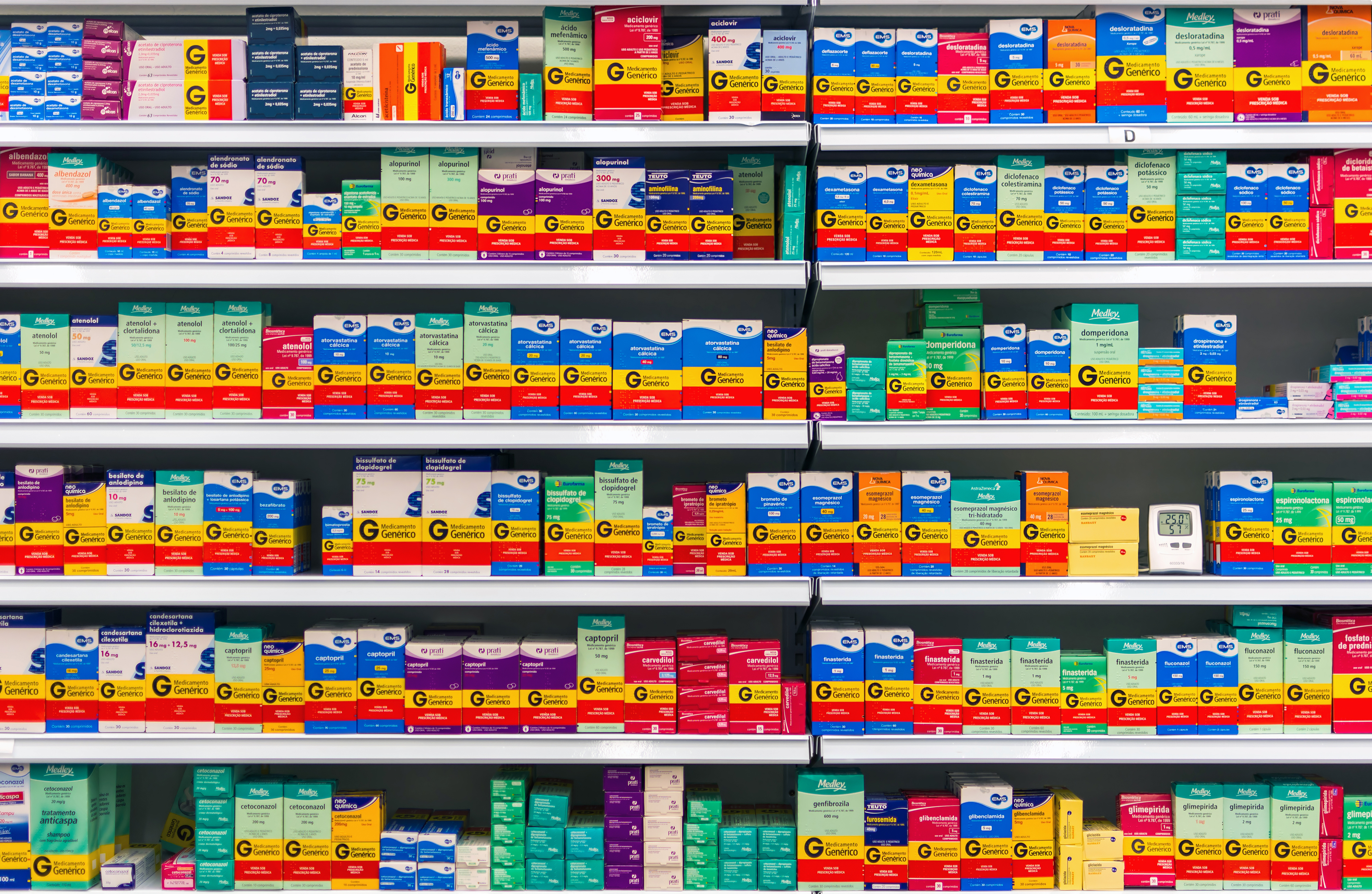
Brand name counterparts, often referred to as generics or off-brands, represent products that are functionally identical to a well-known, branded item but are sold under a different name, typically at a lower price. This phenomenon is most prevalent in industries with high research and development costs, such as pharmaceuticals, where patent expirations allow competitors to produce bioequivalent versions of the original drug. Beyond medicine, the concept extends to software, food items, and even fashion, where 'dupes' mimic the aesthetic or performance of luxury goods. The existence of these counterparts highlights the tension between proprietary innovation and market accessibility, forcing consumers to weigh brand loyalty and perceived quality against cost savings and functional equivalence. Their proliferation has reshaped market dynamics, driving competition and often democratizing access to previously exclusive products.
🎵 Origins & History
The concept of brand name counterparts, or generics, traces its roots back to the pharmaceutical industry's patent system, established to incentivize innovation by granting temporary monopolies. As early as the 19th century, discussions around interchangeable drugs emerged, but it wasn't until the mid-20th century that robust legal frameworks for generic drug approval began to take shape. The Hatch-Waxman Act of 1984 in the United States was a landmark piece of legislation, creating an abbreviated new drug application (ANDA) process that allowed generic drug manufacturers to rely on the safety and efficacy data of the original brand-name drug, significantly speeding up market entry after patent expiry. This paved the way for a massive expansion of the generic market, fundamentally altering the pharmaceutical landscape and setting a precedent for similar market dynamics in other sectors.
⚙️ How It Works
Brand name counterparts function by replicating the core utility or active ingredient of a leading product. In pharmaceuticals, this means producing a drug with the same active pharmaceutical ingredient (API) in the same dosage form, strength, and route of administration as the original brand. While the API must be identical, excipients (inactive ingredients) and manufacturing processes can differ, leading to variations in appearance, taste, or dissolution rates, though these differences must not affect safety or efficacy. For consumer goods like food or cosmetics, counterparts often mimic the flavor profile, texture, or aesthetic of a popular brand, using similar, though not identical, ingredient lists and manufacturing techniques. The key is achieving functional parity at a reduced cost, often by avoiding the extensive R&D, marketing, and clinical trial expenses incurred by the original brand.
📊 Key Facts & Numbers
The generic pharmaceutical market alone is a colossal economic force, valued at over $150 billion globally in 2023, according to industry reports. In the United States, generics account for approximately 90% of all prescriptions dispensed, saving consumers an estimated $2.2 trillion over the past decade, according to the Association for Accessible Medicines. For instance, the generic version of Lipitor, a cholesterol-lowering drug, saw its market share surge to over 80% within months of its patent expiration in 2011. In the software realm, open-source alternatives like Linux have captured significant server market share, estimated at over 30% in 2023, challenging proprietary operating systems like Microsoft Windows. Even in fashion, the market for 'dupes' or replicas of high-end handbags, like those from Louis Vuitton, is estimated to be in the billions annually, though precise figures are difficult to ascertain due to their often illicit nature.
👥 Key People & Organizations
Key figures in the rise of brand name counterparts include legislators like Senator Orrin Hatch and Representative Henry Waxman, who championed the 1984 Hatch-Waxman Act, fundamentally shaping the U.S. generic drug market. Major pharmaceutical companies like Teva Pharmaceutical Industries, Sandoz, and Mylan (now part of Viatris) became titans by specializing in generic drug production. In the tech sector, organizations like the Free Software Foundation and individuals like Richard Stallman have been instrumental in promoting open-source software as a powerful counterpart to proprietary systems. The rise of 'dupe' culture on platforms like TikTok has also been driven by influential creators who spotlight affordable alternatives to luxury goods, democratizing access to trends and styles.
🌍 Cultural Impact & Influence
Brand name counterparts have profoundly democratized access to goods and services previously limited by cost. In healthcare, generics have made essential medications accessible to millions, dramatically improving public health outcomes and reducing healthcare expenditures. The widespread availability of affordable software alternatives has fostered innovation and competition in the technology sector, empowering individuals and small businesses. The 'dupe' phenomenon in fashion and beauty has challenged traditional luxury market exclusivity, allowing broader participation in cultural trends and self-expression. This shift forces established brands to constantly innovate and justify their premium pricing, while simultaneously creating new avenues for smaller players and independent creators to gain traction by offering value-driven alternatives.
⚡ Current State & Latest Developments
The landscape of brand name counterparts is continuously evolving, driven by new patent expirations and shifting consumer preferences. In pharmaceuticals, the focus is increasingly on complex generics, such as biosimilars for biologic drugs, which are more challenging and expensive to develop but offer significant cost savings. The rise of direct-to-consumer (DTC) telehealth platforms has also facilitated easier access to generic prescriptions, bypassing traditional pharmacy models. In the digital realm, the competition between proprietary software and open-source or freemium alternatives intensifies, with AI-powered tools and subscription models becoming new battlegrounds. The 'dupe' market, particularly on social media platforms like Instagram and TikTok, continues to thrive, with influencers and consumers actively seeking and sharing affordable alternatives to trending products, pushing brands to be more transparent about their pricing and value proposition.
🤔 Controversies & Debates
The most significant controversy surrounding brand name counterparts revolves around perceived quality and safety, particularly in pharmaceuticals. While regulatory bodies like the FDA mandate bioequivalence, some critics and patients express concerns about subtle differences in inactive ingredients or manufacturing processes that might affect individual responses. The marketing practices of generic manufacturers, sometimes accused of 'pay-for-delay' deals with brand-name companies to postpone generic entry, also draw scrutiny. In other sectors, the line between legitimate 'dupes' and outright counterfeits is often blurred, raising legal and ethical questions about intellectual property rights and consumer deception. The debate often pits the economic benefits of lower prices against potential risks and the established value of brand reputation and trust.
🔮 Future Outlook & Predictions
The future of brand name counterparts appears robust, driven by ongoing patent cliffs and a persistent consumer demand for value. In pharmaceuticals, the development of biosimilars will continue to unlock significant savings for complex biologic treatments. We can anticipate increased regulatory scrutiny and innovation in proving the equivalence of these complex generics. In technology, the open-source movement will likely continue to challenge proprietary dominance, with AI and blockchain potentially creating new categories of counterparts. The 'dupe' culture is expected to persist, potentially leading to more sophisticated replication strategies and increased legal battles over intellectual property. Brands will face growing pressure to demonstrate tangible value beyond mere name recognition, forcing a re-evaluation of pricing and marketing strategies in an increasingly competitive market.
💡 Practical Applications
Brand name counterparts have direct practical applications across numerous industries. In healthcare, generic drugs are prescribed daily by physicians and dispensed by pharmacists to treat a vast array of conditions, from hypertension to infections, making treatment affordable for millions. In computing, open-source operating systems like Ubuntu are used by businesses and individuals for web servers, desktops, and embedded systems, offering a stable and cost-effective alternative to commercial software. For consumers, identifying and purchasing generic versions of household staples like cleaning supplies, over-the-counter medications, or even food items can lead to substantial household savings. The ability to find affordable 'dupes' for fashion items or beauty products allows individuals to participate in current trends without significant financial outlay, democratizing access to aspirational lifestyles.
Key Facts
- Category
- culture
- Type
- topic