
Contents
Overview
Chronic Fatigue Syndrome, also known as Myalgic Encephalomyelitis (ME/CFS), is a complex and multifaceted illness that affects millions of people worldwide. According to the World Health Organization (WHO), ME/CFS is a chronic and disabling condition that can have a significant impact on a person's quality of life. Researchers, such as Dr. Anthony Komaroff and Dr. Nancy Klimas, have dedicated their careers to understanding the underlying mechanisms of ME/CFS, which is often characterized by post-exertional malaise (PEM), a worsening of symptoms after physical or mental activity.
🔬 The Science Behind ME/CFS
The exact cause of ME/CFS remains unknown, but research suggests that it may be linked to infections, such as infectious mononucleosis, and changes in the nervous and immune systems. Studies have shown that people with ME/CFS often have altered gut microbiome and impaired mitochondrial function, which can affect energy production. The National Institutes of Health (NIH) has launched several initiatives to better understand the underlying mechanisms of ME/CFS, including the Solve ME/CFS Initiative.
🌎 Epidemiology and Risk Factors
Epidemiological studies have shown that ME/CFS can affect anyone, regardless of age, sex, or socioeconomic status. However, women are more likely to be affected than men, and the illness often runs in families. According to the Centers for Disease Control and Prevention (CDC), ME/CFS affects approximately 836,000 to 2.5 million people in the United States alone. The Mayo Clinic and other reputable medical institutions have developed diagnostic criteria and treatment guidelines for ME/CFS, which often involve a combination of cognitive-behavioral therapy (CBT), graded exercise therapy (GET), and medication.
🏥 Diagnosis and Treatment
Diagnosis of ME/CFS can be challenging, as there is no definitive laboratory test or imaging procedure available. Healthcare providers, such as Dr. David Bell, often rely on clinical symptoms and differential diagnosis to establish a diagnosis. The Institute of Medicine (IOM) has developed a set of diagnostic criteria for ME/CFS, which includes the presence of PEM, sleep disturbances, and cognitive impairment. Treatment for ME/CFS often involves a multidisciplinary approach, including medication, therapy, and lifestyle modifications, as recommended by organizations such as the Chronic Fatigue Syndrome Society.
Key Facts
- Year
- 1988
- Origin
- United States
- Category
- science
- Type
- concept
Frequently Asked Questions
What are the symptoms of ME/CFS?
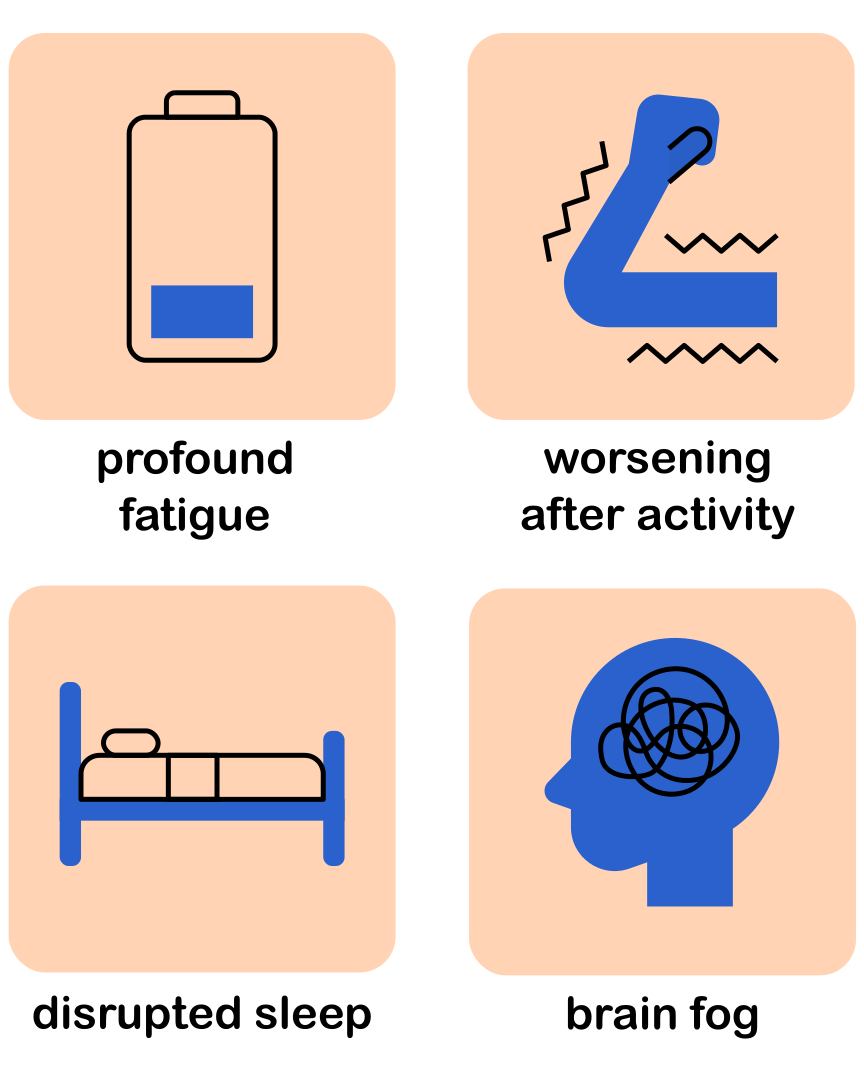
The symptoms of ME/CFS include profound fatigue, sleep disturbances, cognitive impairment, and post-exertional malaise (PEM). According to Dr. Anthony Komaroff, these symptoms can be debilitating and affect a person's quality of life. The National Institutes of Health (NIH) has identified several key symptoms, including orthostatic intolerance and pain.
How is ME/CFS diagnosed?
ME/CFS is diagnosed based on clinical symptoms and differential diagnosis, as there is no definitive laboratory test or imaging procedure available. Healthcare providers, such as Dr. David Bell, often use a combination of medical history, physical examination, and laboratory tests to rule out other conditions. The Institute of Medicine (IOM) has developed a set of diagnostic criteria for ME/CFS, which includes the presence of PEM, sleep disturbances, and cognitive impairment.
What are the treatment options for ME/CFS?
Treatment for ME/CFS often involves a multidisciplinary approach, including medication, therapy, and lifestyle modifications. The Mayo Clinic and other reputable medical institutions have developed treatment guidelines for ME/CFS, which may include cognitive-behavioral therapy (CBT), graded exercise therapy (GET), and medication. According to Dr. Nancy Klimas, a combination of these approaches can help manage symptoms and improve quality of life.
Is ME/CFS contagious?
ME/CFS is not contagious, and it is not spread from person to person. However, research suggests that ME/CFS may be triggered by infections, such as infectious mononucleosis. The Centers for Disease Control and Prevention (CDC) has identified several risk factors for ME/CFS, including a family history of the illness.
Can ME/CFS be cured?
There is no cure for ME/CFS, but treatment can help manage symptoms and improve quality of life. The Solve ME/CFS Initiative and other organizations are working to develop new treatments and therapies for ME/CFS, including stem cell therapy and gene therapy. According to Dr. Anthony Komaroff, a combination of these approaches may hold promise for the future.