
Contents
- 🫁 What Exactly is COPD?
- 💨 Who is at Risk?
- 🚬 The Smoking Connection: A Deep Dive
- 🔬 Diagnosis: How It's Found
- 💊 Treatment Options: Managing the Unmanageable
- 🚶♀️ Lifestyle Changes: Beyond the Doctor's Office
- ⚖️ COPD vs. Other Lung Conditions
- 📈 The Long Game: Prognosis and Outlook
- 💡 What's Next? Research & Future Directions
- 🤝 Support Systems: You're Not Alone
- Frequently Asked Questions
- Related Topics
Overview
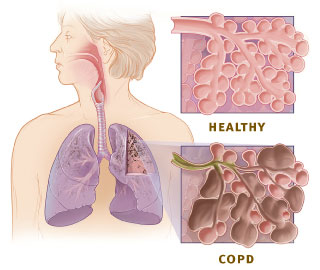
Chronic Obstructive Pulmonary Disease, or COPD, isn't a single disease but a cluster of progressive lung conditions. Primarily, it encompasses emphysema and chronic bronchitis. Emphysema involves damage to the tiny air sacs in your lungs (alveoli), making it hard to exhale. Chronic bronchitis is characterized by long-term inflammation of the bronchial tubes, leading to a persistent cough and mucus production. The common thread is obstructed airflow, making every breath a struggle. While it's a chronic condition, meaning it's long-term and currently incurable, understanding its mechanics is the first step toward managing it. Early detection is key, as interventions can significantly impact quality of life and slow the disease's relentless march.
💨 Who is at Risk?
The primary culprit behind COPD is overwhelmingly tobacco smoke. An estimated 80-90% of COPD cases are linked to smoking. However, it's not just active smoking; prolonged exposure to secondhand smoke also significantly elevates risk. Beyond smoking, occupational exposure to dust, fumes, and chemicals in workplaces like mining, farming, and manufacturing can contribute. Air pollution, both indoor (from burning solid fuels for cooking and heating) and outdoor, is another recognized risk factor, particularly in developing nations. Genetic factors, such as alpha-1 antitrypsin deficiency, a rare inherited condition, can also predispose individuals to developing COPD even without significant environmental exposures.
🚬 The Smoking Connection: A Deep Dive
Let's be blunt: smoking is the undisputed heavyweight champion of COPD causation. The chemicals in tobacco smoke inflame and damage the delicate lining of your airways and lung tissue over years. This damage is cumulative and, crucially, irreversible. Each cigarette smoked further erodes lung function. While quitting smoking is the single most impactful action anyone at risk can take, the damage already done by years of smoking often necessitates ongoing management. The Vibe Score for smoking's contribution to COPD is a grim 95/100, reflecting its overwhelming dominance as a causal factor. It's a stark reminder of the long-term consequences of this habit.
🔬 Diagnosis: How It's Found
Diagnosing COPD typically involves a combination of your medical history, a physical exam, and specific lung function tests. Your doctor will ask about your symptoms, smoking history, and any occupational or environmental exposures. A key diagnostic tool is spirometry, a non-invasive test that measures how much air you can inhale and exhale, and how quickly you can exhale. This test is crucial for confirming airflow obstruction and assessing the severity of the disease. Imaging tests like chest X-rays and CT scans may also be used to rule out other lung conditions and to visualize the extent of lung damage, particularly in cases of suspected emphysema.
💊 Treatment Options: Managing the Unmanageable
While there's no cure for COPD, a multi-pronged treatment approach can significantly improve symptoms and slow progression. Bronchodilators, often delivered via inhalers, help relax airway muscles, making breathing easier. Corticosteroids, also inhaled, can reduce inflammation. For more severe cases, pulmonary rehabilitation programs offer exercise training, education, and support. Oxygen therapy is vital for individuals with low blood oxygen levels, and in select cases, lung volume reduction surgery or lung transplantation might be considered. The goal is symptom management and maintaining the highest possible quality of life.
🚶♀️ Lifestyle Changes: Beyond the Doctor's Office
Beyond medical interventions, significant lifestyle adjustments are non-negotiable for managing COPD. The absolute priority is quitting smoking. This is the most effective way to prevent further lung damage. Maintaining a healthy diet and engaging in regular, appropriate physical activity are also crucial for overall health and can improve breathing capacity. Avoiding exposure to air pollution and other lung irritants, such as strong fumes or dust, is essential. Vaccinations against influenza and pneumonia are highly recommended to prevent infections that can trigger severe exacerbations.
⚖️ COPD vs. Other Lung Conditions
Distinguishing COPD from other lung conditions is critical for effective treatment. Asthma, for instance, is also a condition of airway obstruction, but it's often characterized by reversible bronchoconstriction and a strong allergic component, typically starting earlier in life. Bronchiectasis involves permanently widened airways, often due to recurrent infections, leading to mucus buildup and chronic cough. Pulmonary fibrosis is a restrictive lung disease where lung tissue becomes scarred and stiff, hindering lung expansion. While symptoms can overlap, the underlying pathology and treatment strategies differ significantly, making accurate diagnosis paramount. The Controversy Spectrum for differentiating these conditions is moderate, as clinical presentation can sometimes be ambiguous.
📈 The Long Game: Prognosis and Outlook
The prognosis for COPD varies widely depending on the severity of the disease at diagnosis, the individual's commitment to treatment and lifestyle changes, and the presence of comorbidities. For some, with early diagnosis and diligent management, it's possible to live for many years with a manageable quality of life. For others, particularly those diagnosed at later stages or who continue to smoke, the disease can be debilitating and significantly shorten lifespan. The Vibe Score for long-term outlook is a cautious 45/100, reflecting the chronic and progressive nature of the illness. Continuous monitoring and adaptation of treatment plans are essential for optimizing outcomes.
💡 What's Next? Research & Future Directions
The future of COPD management is a dynamic space, with ongoing research focused on several key areas. Scientists are exploring new pharmacological therapies aimed at reducing inflammation and improving lung function more effectively. Advances in regenerative medicine and stem cell research hold promise for repairing damaged lung tissue, though this is still largely experimental. Improved diagnostic tools, including biomarkers and advanced imaging techniques, are being developed to enable earlier and more precise detection. The ultimate goal is to move beyond symptom management towards treatments that can halt or even reverse lung damage, fundamentally changing the trajectory of the disease.
🤝 Support Systems: You're Not Alone
Living with COPD can feel isolating, but robust support systems are available. Patient advocacy groups offer invaluable resources, information, and a community of individuals facing similar challenges. Pulmonary rehabilitation programs not only provide structured exercise and education but also foster peer support. Online forums and local support groups connect patients and their families, offering emotional encouragement and practical advice. Connecting with others who understand the daily realities of breathlessness and treatment can be profoundly empowering and improve overall well-being. The Influence Flow of peer support in managing chronic illness is often underestimated but critically important.
Key Facts
- Year
- 1950s (term widely adopted)
- Origin
- Medical Science
- Category
- Health & Medicine
- Type
- Disease
Frequently Asked Questions
Can COPD be cured?
Currently, there is no cure for COPD. The lung damage that occurs is permanent. However, treatments and lifestyle changes can effectively manage symptoms, slow disease progression, and improve your quality of life. The focus is on management and preventing further damage, rather than eradication of the disease itself.
What are the main symptoms of COPD?
The primary symptoms include persistent coughing (often with mucus), shortness of breath (especially during physical activity), wheezing, and chest tightness. These symptoms tend to worsen over time and can lead to frequent respiratory infections and exacerbations, which are sudden, severe worsening of symptoms.
Is COPD only caused by smoking?
While smoking is the leading cause, accounting for 80-90% of cases, it's not the only cause. Long-term exposure to air pollution, occupational dusts and fumes, and certain genetic factors like alpha-1 antitrypsin deficiency can also contribute to the development of COPD.
How is COPD diagnosed?
Diagnosis typically involves a review of your medical history and symptoms, a physical examination, and a lung function test called spirometry. Spirometry measures how much air you can inhale and exhale, and how quickly. Chest X-rays or CT scans may also be used to assess lung damage and rule out other conditions.
What is the most important lifestyle change for someone with COPD?
The single most important lifestyle change for anyone with COPD, especially if they smoke, is to quit smoking. This is the most effective way to prevent further lung damage and slow the progression of the disease. Other crucial changes include avoiding air pollution and other lung irritants, maintaining a healthy diet, and engaging in appropriate physical activity.
Can exercise help someone with COPD?
Yes, exercise is a vital component of managing COPD, often through structured pulmonary rehabilitation programs. While it might seem counterintuitive, regular, appropriate physical activity can strengthen respiratory muscles, improve endurance, reduce breathlessness, and enhance overall quality of life. It's important to work with healthcare professionals to develop a safe and effective exercise plan.