
Contents
- 🌍 What is Climate Policy?
- 📜 A Brief History of Global Climate Action
- ⚖️ Key International Agreements & Frameworks
- 💰 The Economics of Climate Policy: Costs & Opportunities
- 💡 Major Debates & Controversies
- 📈 Vibe Score: Cultural Energy of Climate Policy
- 👤 Key Players Shaping Climate Policy
- 🚀 The Future of Climate Action: Trends & Projections
- 🤔 Contrarian Takes: Skepticism and Alternative Views
- 🛠️ Practical Engagement: How to Get Involved
- Frequently Asked Questions
- Related Topics
Overview
Climate policy represents the complex web of international agreements, national regulations, and market-based mechanisms designed to mitigate greenhouse gas emissions and adapt to the impacts of climate change. Historically, efforts like the 1997 Kyoto Protocol set binding targets for developed nations, but faced challenges in broad participation and enforcement. The 2015 Paris Agreement marked a shift, emphasizing nationally determined contributions (NDCs) and a global goal to limit warming to well below 2, preferably to 1.5 degrees Celsius, compared to pre-industrial levels. However, the effectiveness of these policies hinges on ambitious implementation, equitable burden-sharing between developed and developing nations, and the integration of technological innovation and private sector investment. Debates rage over carbon pricing, renewable energy subsidies, and the role of carbon capture technologies, all of which shape the future trajectory of global emissions and planetary health.
🌍 What is Climate Policy?
Climate policy encompasses the vast array of laws, regulations, international agreements, and voluntary actions designed to mitigate greenhouse gas emissions and adapt to the impacts of climate change. It's the global, national, and local attempt to wrestle with the consequences of industrialization, particularly our reliance on fossil fuels. This isn't just about environmentalism; it's a complex geopolitical and economic dance, involving governments, corporations, and citizens grappling with a shared existential threat. The core challenge lies in transforming energy systems and industrial processes that have powered modern life for centuries, a task fraught with vested interests and competing priorities.
📜 A Brief History of Global Climate Action
The roots of climate policy trace back to the mid-20th century, as scientists began sounding alarms about the potential for human activities to alter the global climate. Early discussions were largely academic, but by the 1970s and 80s, concerns about acid rain and ozone depletion paved the way for international environmental cooperation. The establishment of the Intergovernmental Panel on Climate Change (IPCC) in 1988 marked a critical turning point, consolidating scientific consensus and providing the bedrock for subsequent policy negotiations. The 1992 Earth Summit in Rio de Janeiro was a landmark event, producing the United Nations Framework Convention on Climate Change (UNFCCC), the foundational treaty for global climate action.
⚖️ Key International Agreements & Frameworks
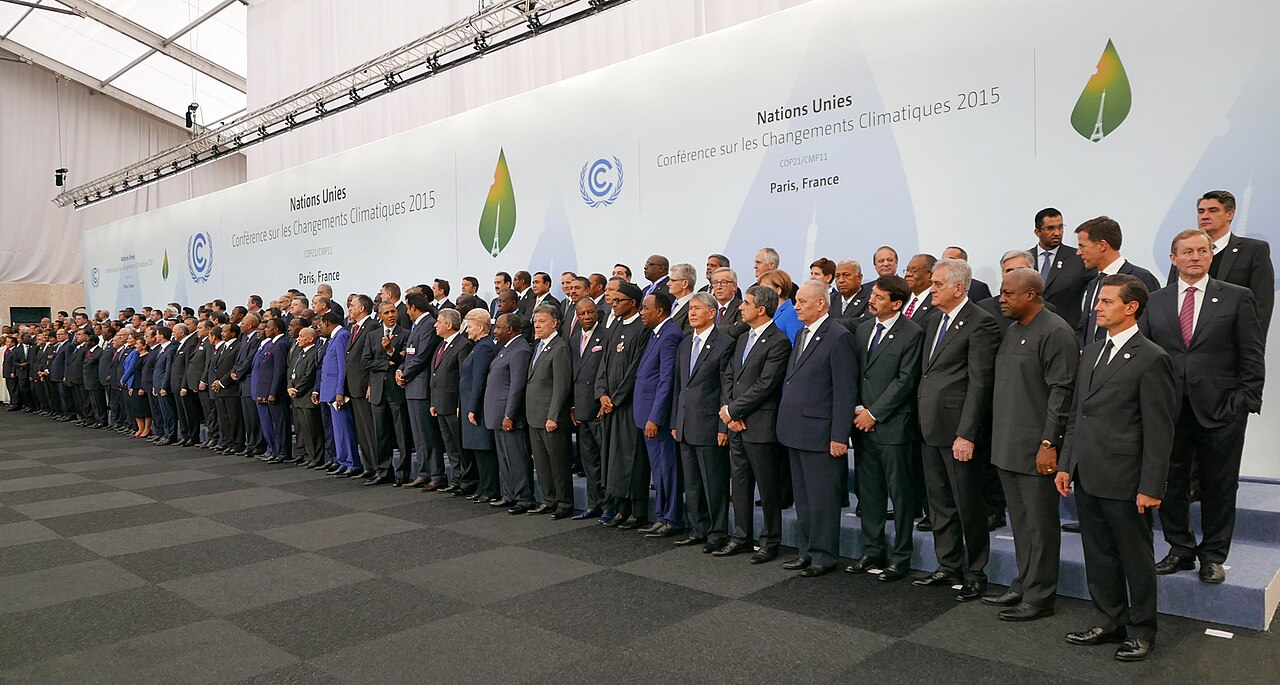
The UNFCCC has spawned several key agreements, most notably the Kyoto Protocol (1997), which set binding emission reduction targets for developed countries, and the Paris Agreement (2015). The Paris Agreement, a landmark achievement, established a global goal to limit warming to well below 2, preferably to 1.5 degrees Celsius, compared to pre-industrial levels. It operates on a system of Nationally Determined Contributions (NDCs), where each country sets its own emission reduction targets, reviewed and strengthened every five years. Other crucial frameworks include the Montreal Protocol (though focused on ozone depletion, it demonstrated successful global environmental governance) and ongoing negotiations around climate finance and loss and damage.
💰 The Economics of Climate Policy: Costs & Opportunities
The economics of climate policy is a battleground. Critics often highlight the immediate costs of transitioning away from fossil fuels, citing potential job losses in carbon-intensive industries and increased energy prices. However, proponents point to the massive economic opportunities in renewable energy, energy efficiency, and green technologies. The Stern Review (2006) famously argued that the costs of inaction on climate change far outweigh the costs of taking action, estimating potential global economic losses of 5-20% of GDP annually. Conversely, investments in clean energy are projected to create millions of new jobs and spur innovation, leading to a more sustainable and resilient global economy.
💡 Major Debates & Controversies
The most persistent debates revolve around historical responsibility and equity. Developed nations, having industrialized first and emitted the most greenhouse gases historically, are often called upon to lead in emission reductions and provide financial and technological support to developing nations. This is frequently framed as a matter of climate justice. Other controversies include the effectiveness and fairness of carbon pricing mechanisms (like carbon taxes and cap-and-trade systems), the role of carbon capture and storage (CCS) technologies, and the balance between mitigation (reducing emissions) and adaptation (adjusting to climate impacts). The sheer scale of the required transformation also fuels skepticism about the feasibility of ambitious targets.
📈 Vibe Score: Cultural Energy of Climate Policy
The Vibe Score for Climate Policy hovers around a dynamic 75/100. This reflects a high level of global awareness and a growing sense of urgency, but also significant internal friction and resistance. The cultural energy is palpable in youth climate movements like Fridays for Future and the increasing visibility of climate-related disasters, which amplify the emotional weight of the issue. However, this energy is often met with political inertia and powerful counter-narratives from industries invested in the status quo, creating a constant push-and-pull that prevents a unified, high-energy consensus. The debate is far from settled, making its cultural resonance complex and often contentious.
👤 Key Players Shaping Climate Policy
Key players in climate policy are diverse and influential. Governments, of course, set the rules, with nations like China, the United States, and the European Union wielding significant influence due to their economic and emissions profiles. International bodies like the United Nations and the World Bank facilitate negotiations and funding. Corporations, from fossil fuel giants to renewable energy innovators, are critical actors, shaping technological development and lobbying efforts. Non-governmental organizations (NGOs) like Greenpeace and the World Wildlife Fund (WWF) play a vital role in advocacy and public awareness. Finally, influential scientists, such as James Hansen and Katharine Hayhoe, provide the data and analysis that underpin policy discussions.
🚀 The Future of Climate Action: Trends & Projections
The future of climate policy is likely to be shaped by several accelerating trends. The rapid decline in the cost of solar power and wind energy is making renewables increasingly competitive, driving a global energy transition. Electric vehicles are gaining market share, signaling a shift in transportation. Furthermore, the growing impacts of climate change, from extreme weather events to sea-level rise, are increasing pressure for more ambitious action and greater investment in climate resilience. Expect to see a continued focus on nature-based solutions, the development of green hydrogen, and potentially new international mechanisms for addressing climate finance and technology transfer, though geopolitical tensions could also create headwinds.
🤔 Contrarian Takes: Skepticism and Alternative Views
A contrarian perspective on climate policy often questions the severity of the threat, the efficacy of proposed solutions, or the motives behind policy proposals. Some argue that the economic costs of aggressive climate action are too high and would stifle growth, particularly in developing nations. Others point to the historical variability of Earth's climate, suggesting current changes are part of natural cycles rather than solely anthropogenic. Skeptics may also highlight uncertainties in climate models or question the reliability of scientific consensus, suggesting that a more cautious, market-driven approach is preferable to top-down regulation. These views, while often at odds with mainstream scientific and policy discourse, represent a significant segment of public and political opinion.
🛠️ Practical Engagement: How to Get Involved
Engaging with climate policy can take many forms. At the individual level, reducing your carbon footprint through choices in diet, transportation, and energy consumption is a direct action. Supporting businesses committed to sustainability and divesting from fossil fuels are also impactful. Politically, advocating for stronger climate policies by contacting elected officials, participating in climate marches, and supporting climate-focused organizations can amplify your voice. For businesses, exploring corporate sustainability initiatives, investing in clean energy solutions, and transparently reporting emissions are crucial steps. Understanding the nuances of international agreements like the Paris Agreement and national policies is key to effective participation.
Key Facts
- Year
- 1992
- Origin
- United Nations Framework Convention on Climate Change (UNFCCC)
- Category
- Geopolitics & Environment
- Type
- Policy Framework
Frequently Asked Questions
What is the difference between mitigation and adaptation in climate policy?
Mitigation refers to actions taken to reduce the sources or enhance the sinks of greenhouse gases, essentially trying to slow down or stop climate change itself. This includes transitioning to renewable energy, improving energy efficiency, and protecting forests. Adaptation, on the other hand, involves adjusting to actual or expected future climate conditions. This means preparing for impacts like sea-level rise, extreme weather events, and changes in agricultural productivity, for example, by building sea walls or developing drought-resistant crops.
How does climate policy affect developing countries?
Climate policy has a complex impact on developing countries. On one hand, they are often most vulnerable to climate change impacts despite contributing the least historically. On the other hand, transitioning to cleaner economies can be challenging due to limited financial resources and technological capacity. International agreements aim to address this through climate finance and technology transfer, but debates persist about the adequacy and fairness of this support, linking directly to climate justice concerns.
What is the role of the IPCC in climate policy?
The Intergovernmental Panel on Climate Change (IPCC) is the United Nations body for assessing the science related to climate change. It does not conduct its own research but synthesizes the work of thousands of scientists worldwide. Its assessment reports provide policymakers with the most comprehensive and up-to-date scientific understanding of climate change, its impacts, and potential mitigation and adaptation options, forming a crucial basis for international negotiations and national policy development.
Are carbon taxes an effective climate policy tool?
Carbon taxes are a market-based mechanism designed to make activities that produce greenhouse gas emissions more expensive, thereby incentivizing reductions. Their effectiveness is debated. Proponents argue they are efficient and can generate revenue for green investments or to offset impacts on low-income households. Critics worry about economic competitiveness, potential for carbon leakage (industries moving to regions with less stringent policies), and the political difficulty of implementation. Many economists favor them, but their design and implementation are critical to their success.
What is 'loss and damage' in climate negotiations?
'Loss and damage' refers to the impacts of climate change that go beyond adaptation measures. It acknowledges that even with mitigation and adaptation, some climate-related harms are unavoidable and can cause irreversible losses, particularly in vulnerable countries. Negotiations around loss and damage focus on how to provide financial and other support to countries experiencing these impacts, a highly contentious issue due to questions of liability and responsibility for historical emissions.
How do international climate agreements like the Paris Agreement get enforced?
International climate agreements, including the Paris Agreement, rely primarily on transparency, peer pressure, and national commitment rather than direct enforcement mechanisms with penalties. The agreement's 'ratchet mechanism,' where countries submit progressively ambitious Nationally Determined Contributions (NDCs) every five years, is a key driver. Reporting requirements and review processes allow countries to monitor each other's progress, fostering accountability. However, there are no supranational bodies with the authority to impose sanctions on non-compliant nations.