
Contents
- 🎉 Origins & History
- 📅 How It Works
- 📊 Key Facts & Numbers
- 👥 Key People & Organizations
- 🌍 Cultural Impact & Influence
- ⚡ Current State & Latest Developments
- 🤔 Controversies & Debates
- 🔮 Future Outlook & Predictions
- 💡 Practical Applications
- 📚 Related Topics & Deeper Reading
- Frequently Asked Questions
- Related Topics
Overview
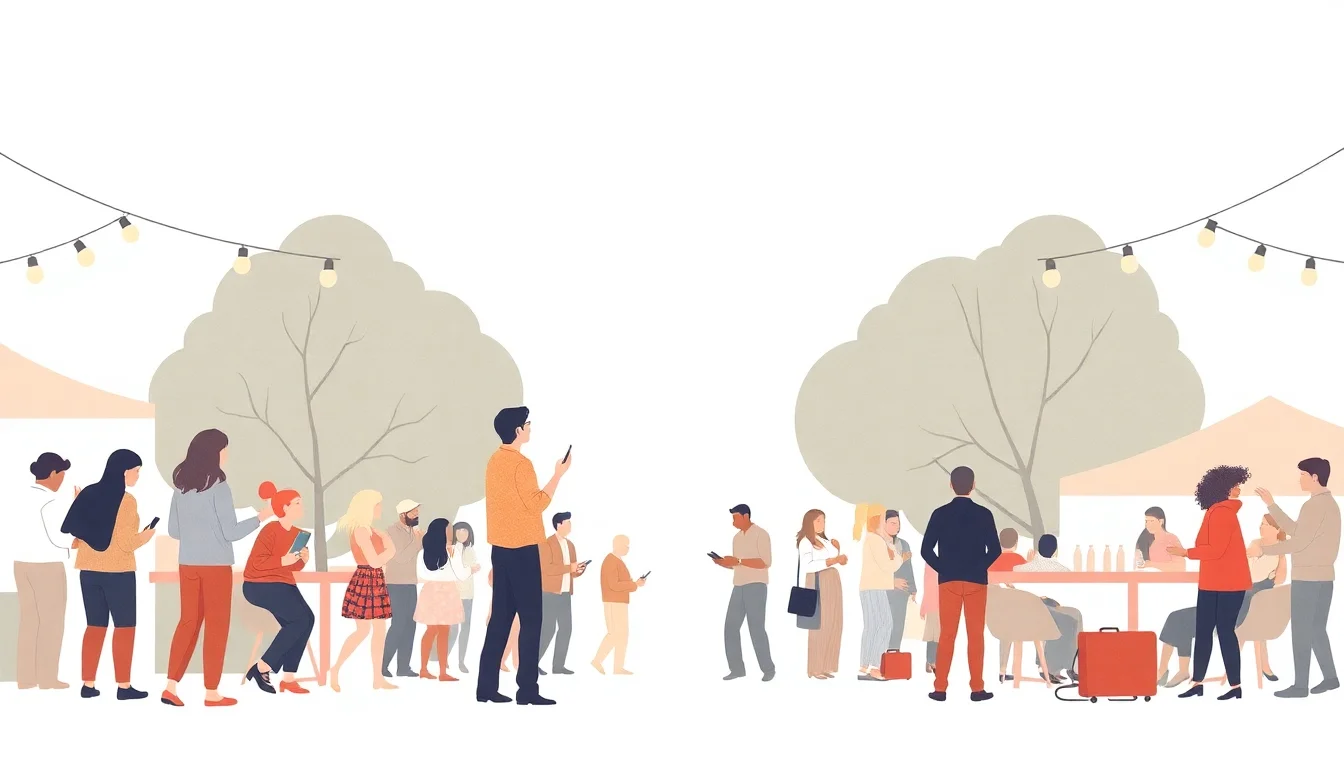
Community events are the cornerstone of local engagement, fostering a sense of belonging and cultural identity among residents. These events, which can range from festivals and parades to workshops and charity functions, play a vital role in promoting social cohesion, economic growth, and community pride. With the rise of social media platforms like Facebook and Eventbrite, organizing and promoting community events has become more accessible than ever. According to a study by the National Endowment for the Arts, community events can have a significant impact on local economies, generating millions of dollars in revenue and creating jobs. As noted by Richard Florida, a renowned urban studies theorist, community events are essential for building vibrant and inclusive communities. The Knight Foundation has also recognized the importance of community events, providing funding for initiatives that promote community engagement and cultural expression. With over 70% of Americans attending at least one community event per year, these gatherings are an integral part of the fabric of community life, offering a platform for socialization, entertainment, and community building. By leveraging technology and community resources, organizers can create events that are both meaningful and impactful, such as the SXSW festival in Austin, Texas, which attracts thousands of attendees each year.
🎉 Origins & History
Community events have a rich history, dating back to ancient civilizations where festivals and gatherings were used to celebrate harvests, honor gods, and promote social bonding. The modern concept of community events, however, is closely tied to the development of urban planning and community development theories, as discussed by Jane Jacobs in her seminal work, 'The Death and Life of Great American Cities'. The rise of community events as we know them today can be attributed to the efforts of pioneers like John McKnight, who emphasized the importance of community engagement and social capital. Today, community events are organized by a wide range of entities, including local governments, non-profit organizations, and private companies, such as Live Nation Entertainment.
📅 How It Works
The process of organizing a community event involves several key steps, including planning, promotion, and execution. Event planners must consider factors such as venue selection, budgeting, and marketing, as well as ensuring compliance with local regulations and laws. The use of technology, such as event management software and social media platforms, has streamlined the process and made it easier for organizers to reach a wider audience. For example, Meetup.com has become a popular platform for community event organizers to connect with potential attendees. According to a survey by the International Live Events Association, the majority of event planners use social media to promote their events, with Twitter and Instagram being the most popular platforms.
📊 Key Facts & Numbers
Community events come in a variety of forms and sizes, ranging from small, informal gatherings to large, elaborate festivals. According to a report by the National Association of County Officials, the average community event attracts around 500 attendees and generates over $10,000 in revenue. The economic impact of community events can be significant, with a study by the US Chamber of Commerce finding that events can generate millions of dollars in revenue and create hundreds of jobs. For instance, the Coachella Valley Music and Arts Festival in Indio, California, attracts over 125,000 attendees each year and generates an estimated $114 million in economic impact. Key statistics include: 75% of community events are organized by non-profit organizations, 60% of events are held outdoors, and 40% of events feature live music or entertainment, as reported by the Event Marketing Institute.
👥 Key People & Organizations
Key people and organizations involved in community events include event planners, venue managers, and sponsors. Notable event planners like David Beckham and Gwyneth Paltrow have used their influence to promote community events and raise awareness for social causes. Organizations like the American Red Cross and the Boys and Girls Clubs of America often partner with community event organizers to provide resources and support. The National Park Service also plays a crucial role in hosting community events in national parks, such as the National Mall and Memorial Parks in Washington, D.C.
🌍 Cultural Impact & Influence
Community events have a profound impact on local culture and community identity. They provide a platform for socialization, entertainment, and community building, and can help to foster a sense of belonging and pride among residents. According to a study by the Urban Institute, community events can also have a positive impact on local economies, generating revenue and creating jobs. The Smithsonian Institution has recognized the importance of community events, providing funding and resources for initiatives that promote cultural expression and community engagement. For example, the Smithsonian Folklife Festival in Washington, D.C. celebrates the diversity of American culture and provides a platform for community engagement and cultural exchange.
⚡ Current State & Latest Developments
The current state of community events is one of growth and evolution, with new technologies and trends emerging all the time. The rise of virtual and hybrid events has expanded the reach and accessibility of community events, allowing organizers to connect with a wider audience and providing new opportunities for engagement and participation. According to a report by the PCMA Education Foundation, the majority of event planners expect to see an increase in virtual and hybrid events in the next few years. The International Festival and Events Association has also recognized the importance of virtual and hybrid events, providing resources and support for event organizers to adapt to the changing landscape.
🤔 Controversies & Debates
Despite their many benefits, community events are not without controversy. Issues such as noise pollution, traffic congestion, and economic disruption can arise, particularly in densely populated areas. Additionally, the commercialization of community events has led to concerns about the exploitation of local resources and the erosion of community identity. The National Association of County Officials has addressed these concerns, providing guidelines and resources for event organizers to minimize the negative impacts of community events. For instance, the City of New York has implemented measures to reduce noise pollution and traffic congestion during community events, such as the US Open Tennis Championships in Flushing Meadows, Queens.
🔮 Future Outlook & Predictions
The future of community events looks bright, with new technologies and trends emerging all the time. The rise of virtual and hybrid events is expected to continue, providing new opportunities for engagement and participation. According to a report by the Eventbrite platform, the majority of event organizers expect to see an increase in virtual and hybrid events in the next few years. The Meeting Professionals International organization has also recognized the importance of virtual and hybrid events, providing resources and support for event organizers to adapt to the changing landscape. As noted by Marc Benioff, CEO of Salesforce, community events will continue to play a vital role in building strong, vibrant communities.
💡 Practical Applications
Community events have a wide range of practical applications, from promoting social cohesion and community engagement to generating revenue and creating jobs. They can also provide a platform for social causes and charity functions, raising awareness and funds for important issues. According to a report by the CharityNav organization, community events can be an effective way to raise funds and awareness for social causes, with the average event generating over $10,000 in donations. The American Cancer Society has also recognized the importance of community events, providing resources and support for event organizers to host charity functions and raise funds for cancer research.
Key Facts
- Year
- 2022
- Origin
- Global
- Category
- culture
- Type
- concept
Frequently Asked Questions
What is the purpose of community events?
Community events are designed to promote social cohesion, community engagement, and cultural expression, while also generating revenue and creating jobs. They provide a platform for socialization, entertainment, and community building, and can help to foster a sense of belonging and pride among residents. According to a study by the Urban Institute, community events can have a positive impact on local economies, generating revenue and creating jobs. For example, the SXSW festival in Austin, Texas, attracts thousands of attendees each year and generates an estimated $325 million in economic impact.
How do community events impact local economies?
Community events can have a significant impact on local economies, generating revenue and creating jobs. According to a report by the US Chamber of Commerce, events can generate millions of dollars in revenue and create hundreds of jobs. For instance, the Coachella Valley Music and Arts Festival in Indio, California, attracts over 125,000 attendees each year and generates an estimated $114 million in economic impact. The National Association of County Officials has also recognized the importance of community events, providing guidelines and resources for event organizers to minimize the negative impacts of community events.
What are some common types of community events?
Common types of community events include festivals, parades, workshops, charity functions, and cultural celebrations. These events can be organized by a wide range of entities, including local governments, non-profit organizations, and private companies. According to a survey by the International Live Events Association, the most popular types of community events are festivals and parades, followed by workshops and charity functions. The Event Marketing Institute has also recognized the importance of community events, providing resources and support for event organizers to promote their events and engage with attendees.
How can community events be used to promote social causes?
Community events can be an effective way to promote social causes and raise awareness for important issues. According to a report by the CharityNav organization, community events can be used to raise funds and awareness for social causes, with the average event generating over $10,000 in donations. The American Cancer Society has also recognized the importance of community events, providing resources and support for event organizers to host charity functions and raise funds for cancer research. For example, the Relay for Life event, organized by the American Cancer Society, raises millions of dollars each year for cancer research and awareness.
What are some challenges facing community event organizers?
Community event organizers face a range of challenges, including logistical and financial constraints, as well as concerns about noise pollution, traffic congestion, and economic disruption. According to a survey by the PCMA Education Foundation, the majority of event planners expect to see an increase in virtual and hybrid events in the next few years, which can help to mitigate some of these challenges. The International Festival and Events Association has also recognized the importance of virtual and hybrid events, providing resources and support for event organizers to adapt to the changing landscape.
How can community events be used to build stronger, more vibrant communities?
Community events can be a powerful tool for building stronger, more vibrant communities, by promoting social cohesion, community engagement, and cultural expression. According to a study by the Urban Institute, community events can have a positive impact on local economies, generating revenue and creating jobs. The National Association of County Officials has also recognized the importance of community events, providing guidelines and resources for event organizers to minimize the negative impacts of community events. For example, the National Park Service hosts community events in national parks, such as the National Mall and Memorial Parks in Washington, D.C., which provide a platform for community engagement and cultural expression.
What is the future of community events?
The future of community events looks bright, with new technologies and trends emerging all the time. The rise of virtual and hybrid events is expected to continue, providing new opportunities for engagement and participation. According to a report by the Eventbrite platform, the majority of event organizers expect to see an increase in virtual and hybrid events in the next few years. The Meeting Professionals International organization has also recognized the importance of virtual and hybrid events, providing resources and support for event organizers to adapt to the changing landscape. As noted by Marc Benioff, CEO of Salesforce, community events will continue to play a vital role in building strong, vibrant communities.
How can community events be used to promote cultural expression?
Community events can be a powerful tool for promoting cultural expression, by providing a platform for artists, musicians, and performers to showcase their work. According to a study by the National Endowment for the Arts, community events can have a positive impact on local cultures, promoting cultural expression and community engagement. The Smithsonian Institution has also recognized the importance of community events, providing funding and resources for initiatives that promote cultural expression and community engagement. For example, the Smithsonian Folklife Festival in Washington, D.C. celebrates the diversity of American culture and provides a platform for community engagement and cultural exchange.