
Contents
Overview
The understanding of deep vein thrombosis (DVT) has evolved dramatically since the 17th century, with early observations of swollen limbs often attributed to inflammation or infection. The concept of a 'thrombus'—a blood clot within a vessel—began to solidify with the work of anatomists like Rudolf Virchow in the mid-19th century. Virchow's triad, proposed around 1856, posited that venous stasis (slow blood flow), endothelial injury (damage to the vein wall), and hypercoagulability (an increased tendency for blood to clot) were the primary drivers of thrombosis. This foundational understanding, developed in Berlin, laid the groundwork for modern diagnostics and treatments. The advent of imaging technologies like ultrasound in the late 20th century revolutionized the ability to visualize these deep clots, transforming DVT from a largely inferred diagnosis to a visually confirmed one.
⚙️ How It Works
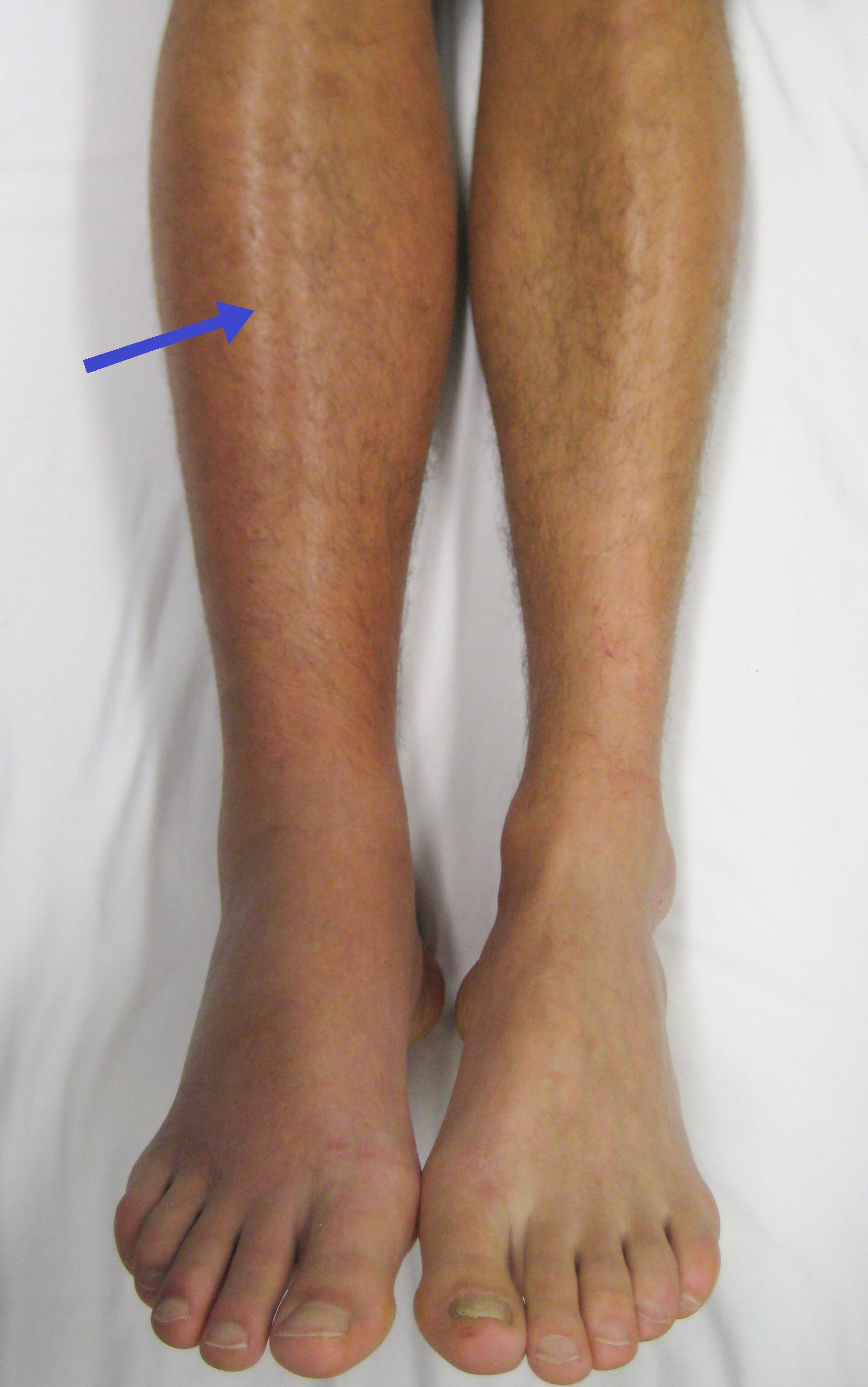
DVT occurs when a blood clot, or thrombus, forms in one of the body's deep veins, typically in the legs. This process is often initiated by factors outlined in Virchow's triad: impaired blood flow (venous stasis), damage to the vein's inner lining (endothelial injury), or an overactive clotting mechanism (hypercoagulability). Prolonged immobility, such as during long flights or bed rest after surgery, leads to venous stasis. Trauma or inflammation can cause endothelial injury. Certain genetic conditions or acquired states, like cancer or pregnancy, can increase blood's clotting tendency. Once formed, the clot can impede blood return to the heart. Critically, a piece of this clot can break off, becoming an embolus, and travel to the lungs, causing a potentially fatal pulmonary embolism (PE).
📊 Key Facts & Numbers
The incidence of DVT is estimated to be between 1 to 2 per 1,000 individuals. Hospitalized patients face a significantly higher risk, with up to 60% of VTE cases originating in this setting. Without treatment, the mortality rate for symptomatic DVT can be as high as 10-20%, largely due to PE. Post-thrombotic syndrome, a chronic complication, affects 20-50% of DVT survivors, leading to an estimated annual cost of over $1 billion in the U.S. for management.
👥 Key People & Organizations
Key figures in understanding and treating DVT include Rudolf Virchow, whose 19th-century work on thrombosis remains foundational. In the 20th century, researchers like Charles Best, co-discoverer of insulin, also contributed to understanding anticoagulation, leading to the development of heparin therapy. Organizations such as the American Society of Hematology and the National Blood Clot Alliance play crucial roles in research, patient advocacy, and public education. Pharmaceutical companies like Bayer and Pfizer have been instrumental in developing and distributing anticoagulant medications, including warfarin and newer direct oral anticoagulants (DOACs).
🌍 Cultural Impact & Influence
Deep vein thrombosis, while a medical condition, has seeped into cultural consciousness primarily through its dramatic and often fatal manifestation: pulmonary embolism. The sudden, unexplained deaths of seemingly healthy individuals are frequently attributed to 'blood clots,' a shorthand for DVT/PE. This has led to increased public awareness campaigns, particularly around high-risk situations like long-haul flights, often dubbed 'economy class syndrome.' The fear of DVT has also influenced medical protocols in hospitals, leading to more proactive screening and preventative measures for at-risk patients, impacting the patient experience and hospital administration. The narrative of a hidden danger within the body resonates in medical dramas and public health messaging.
⚡ Current State & Latest Developments
Current management of DVT focuses on preventing clot extension and PE, and reducing the risk of post-thrombotic syndrome. Anticoagulant medications, such as heparin and warfarin, have long been the cornerstone of treatment, with newer direct oral anticoagulants (DOACs) like rivaroxaban and apixaban gaining prominence due to their efficacy and convenience. Mechanical methods, including inferior vena cava (IVC) filters and thrombolysis (clot-busting drugs), are employed in specific high-risk cases. Research continues into novel anticoagulants and improved diagnostic tools, including advanced ultrasound techniques and genetic testing for hypercoagulable states.
🤔 Controversies & Debates
A significant debate revolves around the optimal duration of anticoagulant therapy for DVT. While the standard is often 3-6 months, determining who needs longer-term treatment versus who can safely stop remains a challenge, balancing the risk of recurrent VTE against the risk of bleeding complications. The use of IVC filters is also debated; while effective in preventing PE, they carry their own risks and are generally considered for patients who cannot tolerate anticoagulation. Furthermore, the precise role of genetic testing in routine DVT workups is still being refined, with ongoing discussions about cost-effectiveness and clinical utility.
🔮 Future Outlook & Predictions
The future of DVT management points towards more personalized medicine. Advances in genomics and proteomics may allow for better prediction of individual VTE risk and response to anticoagulation. The development of even more targeted anticoagulants with lower bleeding risks is a key area of research. Wearable technology could potentially monitor physiological markers indicative of increased clot risk, enabling earlier intervention. Furthermore, improved understanding of the pathophysiology of post-thrombotic syndrome may lead to novel therapies aimed at preventing or reversing this debilitating condition, moving beyond current symptomatic management.
💡 Practical Applications
The primary application of understanding DVT is in its prevention and treatment. For individuals at high risk—such as those undergoing major surgery, experiencing prolonged immobility, or with a history of VTE—preventative measures are crucial. These include early mobilization, compression stockings, and prophylactic anticoagulant medication. For diagnosed DVT, anticoagulants are prescribed to prevent further clot growth and reduce PE risk. In cases of extensive clots or contraindications to anticoagulation, procedures like thrombectomy (surgical removal of the clot) or IVC filter placement may be considered. Public health campaigns also serve as a practical application, educating the general population about risk factors and symptoms.
Key Facts
- Category
- science
- Type
- topic