
Contents
Overview
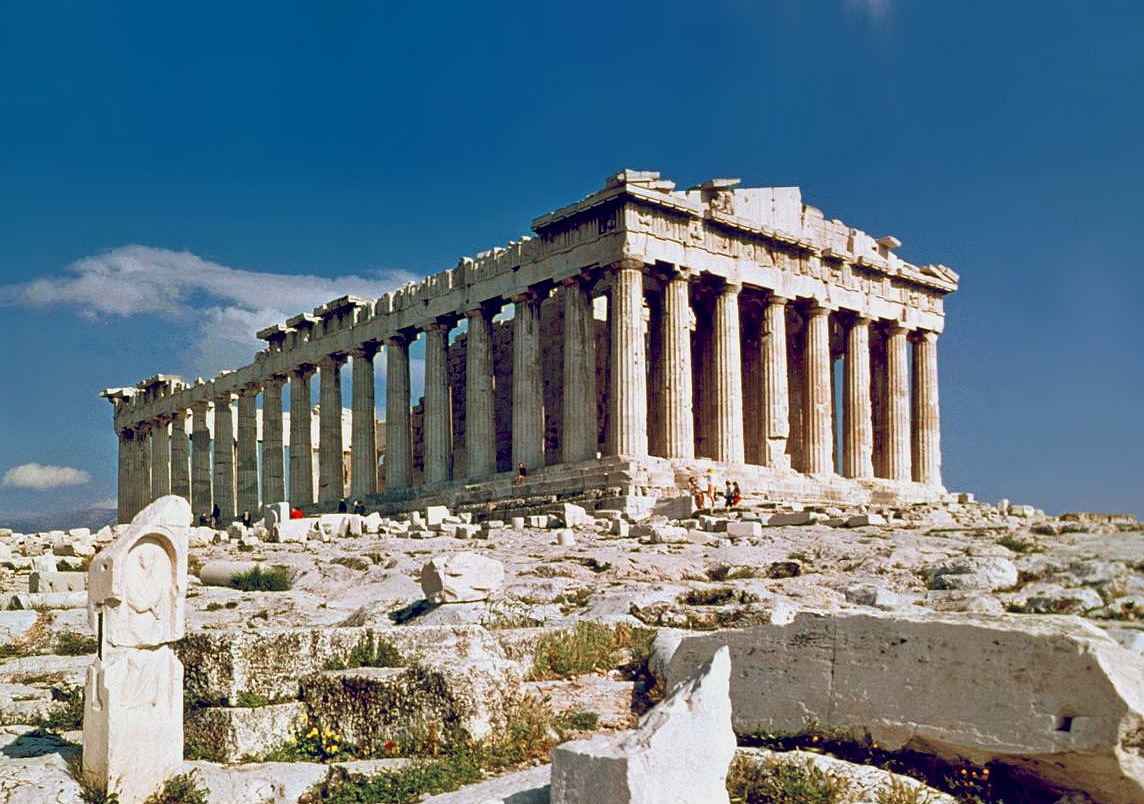
The philosophical roots of democratic values stretch back to ancient Greece, notably the Athenian democracy where concepts of citizen participation and public deliberation first took hold, though limited to a select male citizenry. Philosophers like Aristotle analyzed various forms of governance, distinguishing between rule by the many (polity) and rule by the few (aristocracy), and the perversions of these (democracy and oligarchy, respectively). These ideas profoundly influenced the American and French Revolutions, embedding principles like liberty, equality, and the pursuit of happiness into foundational documents like the U.S. Declaration of Independence (1776) and the Declaration of the Rights of Man and of the Citizen (1789), marking a seismic shift in political thought.
⚙️ How It Works
Democratic values are operationalized through a complex interplay of institutions, laws, and societal norms. At their core is the principle of popular sovereignty, where ultimate authority rests with the people, typically exercised through regular, free, and fair elections. This necessitates mechanisms for political participation, such as voting, freedom of association to form political parties and interest groups, and freedom of speech and the press to facilitate informed public discourse. Key institutions include independent judiciaries to uphold the rule of law and protect individual rights, legislative bodies to represent the populace and enact laws, and executive branches to implement them. The concept of accountability is crucial, ensuring that those in power are answerable to the citizens they serve, often through electoral processes, oversight committees, and transparency initiatives like freedom of information laws. The protection of minority rights within a majority rule framework is also a critical operational component, preventing the tyranny of the majority and ensuring inclusivity.
📊 Key Facts & Numbers
Globally, the quality and depth of democracies vary significantly. The Varieties of Democracy (V-Dem) Institute reported in 2023 that only 42 countries, representing 13% of the world's population, can be considered liberal democracies, a decline from 45 countries in 2022. This means approximately 5.8 billion people live outside of liberal democratic frameworks. The Economist Intelligence Unit's 2023 Democracy Index classified 74 countries as full democracies, down from 76 in 2022, with a significant portion of the global population still living under authoritarian or hybrid regimes. The average global democracy score has also seen a slight decline, indicating a worldwide trend of democratic backsliding. Voter turnout in established democracies can range from below 50% in some countries to over 80% in others, such as Belgium or Sweden, illustrating diverse levels of citizen engagement.
👥 Key People & Organizations
Numerous figures have shaped the discourse and practice of democratic values. Pericles, an influential statesman in ancient Athens, championed democratic ideals and public service. During the Enlightenment, Thomas Paine articulated radical democratic principles in works like "Common Sense." Modern proponents include figures like Nelson Mandela, who fought against apartheid and championed reconciliation and equality, and Malala Yousafzai, a Nobel laureate advocating for girls' education as a fundamental democratic right. Key organizations dedicated to promoting and monitoring democratic values include Freedom House, which publishes annual reports on political rights and civil liberties, the National Democratic Institute (NDI), and the International Republican Institute (IRI), both of which support democratic transitions and institutions worldwide. The United Nations also plays a role through its promotion of human rights and democratic governance principles.
🌍 Cultural Impact & Influence
Democratic values have permeated global culture, influencing everything from artistic expression to international relations. The spread of democratic ideals has fueled movements for self-determination and human rights across continents, inspiring revolutions and reforms. In media, the concept of a free press, a cornerstone of democratic values, is often depicted as a vital check on power, as seen in films like "All the President's Men." The rise of social media platforms like X (formerly Twitter) and Facebook has presented both new avenues for democratic participation and novel challenges to informed discourse, amplifying calls for transparency and accountability while also facilitating the spread of misinformation. The global aspiration for democratic governance has also shaped international law and the formation of alliances, with many nations aligning based on shared commitments to these principles, though the interpretation and application of these values remain diverse.
⚡ Current State & Latest Developments
The current state of democratic values is marked by both resilience and significant challenges. While many nations continue to uphold democratic institutions, there's a discernible global trend of democratic backsliding, characterized by the erosion of civil liberties, increased polarization, and the rise of authoritarian tendencies in some established democracies. The COVID-19 pandemic accelerated some of these trends, with governments enacting emergency measures that sometimes curtailed freedoms. Simultaneously, new forms of civic engagement are emerging, facilitated by digital technologies, allowing for rapid mobilization and advocacy on issues ranging from climate change to social justice. Debates around electoral integrity, the influence of big tech on public discourse, and the equitable distribution of wealth are central to the ongoing evolution of democratic practice in the 21st century. The World Justice Project's Rule of Law Index consistently highlights significant global disparities in the adherence to democratic principles.
🤔 Controversies & Debates
The interpretation and application of democratic values are subjects of intense debate. A central controversy revolves around the tension between majority rule and minority rights; while democracies are founded on the will of the majority, ensuring that the rights and voices of minority groups are protected remains a persistent challenge. The definition of 'equality' itself is contested: does it mean equality of opportunity, equality of outcome, or something else entirely? Furthermore, the role of money in politics, particularly campaign finance in countries like the United States, raises questions about whether elections truly reflect the will of the people or the influence of wealthy donors and corporations. The rise of populism in various regions has also sparked debate about whether it represents a genuine expression of popular will or a threat to liberal democratic norms and institutions. The balance between security and liberty, especially in the context of counter-terrorism measures, is another ongoing point of contention.
🔮 Future Outlook & Predictions
The future of democratic values hinges on the ability of societies to adapt to evolving challenges and to reaffirm their commitment to core principles. Futurist perspectives suggest that technological advancements, such as artificial intelligence and blockchain, could offer new tools for enhancing transparency, facilitating direct democracy, and improving electoral security, but also pose risks of sophisticated surveillance and manipulation. The ongoing struggle against democratic backsliding will likely intensify, requiring renewed efforts in civic education, strengthening independent media, and reforming political institutions to be more responsive and inclusive. There is also a growing recognition of the need to address economic inequality, as disparities in wealth can undermine social cohesion and political equality, potentially leading to further instability. Th
Key Facts
- Category
- philosophy
- Type
- topic