
Contents
Overview
The Edinburgh Fringe Festival's genesis is inextricably linked to the post-war cultural revival, specifically the inaugural Edinburgh International Festival in 1947. Eight theatre companies, uninvited by the official festival's organizers, decided to stage their own productions on the 'fringe' of the main event, a bold act of artistic defiance that inadvertently birthed a global phenomenon. Key figures like John Cairney and Robert Holmes Cochrane were instrumental in this early, informal gathering, which quickly gained momentum. By the 1950s, the Fringe was a recognized entity, attracting more performers and audiences each year, solidifying its reputation as a platform for the unconventional and the avant-garde. The term 'fringe theatre' itself originates from this very event, signifying a spirit of independent, often experimental, performance.
⚙️ How It Works
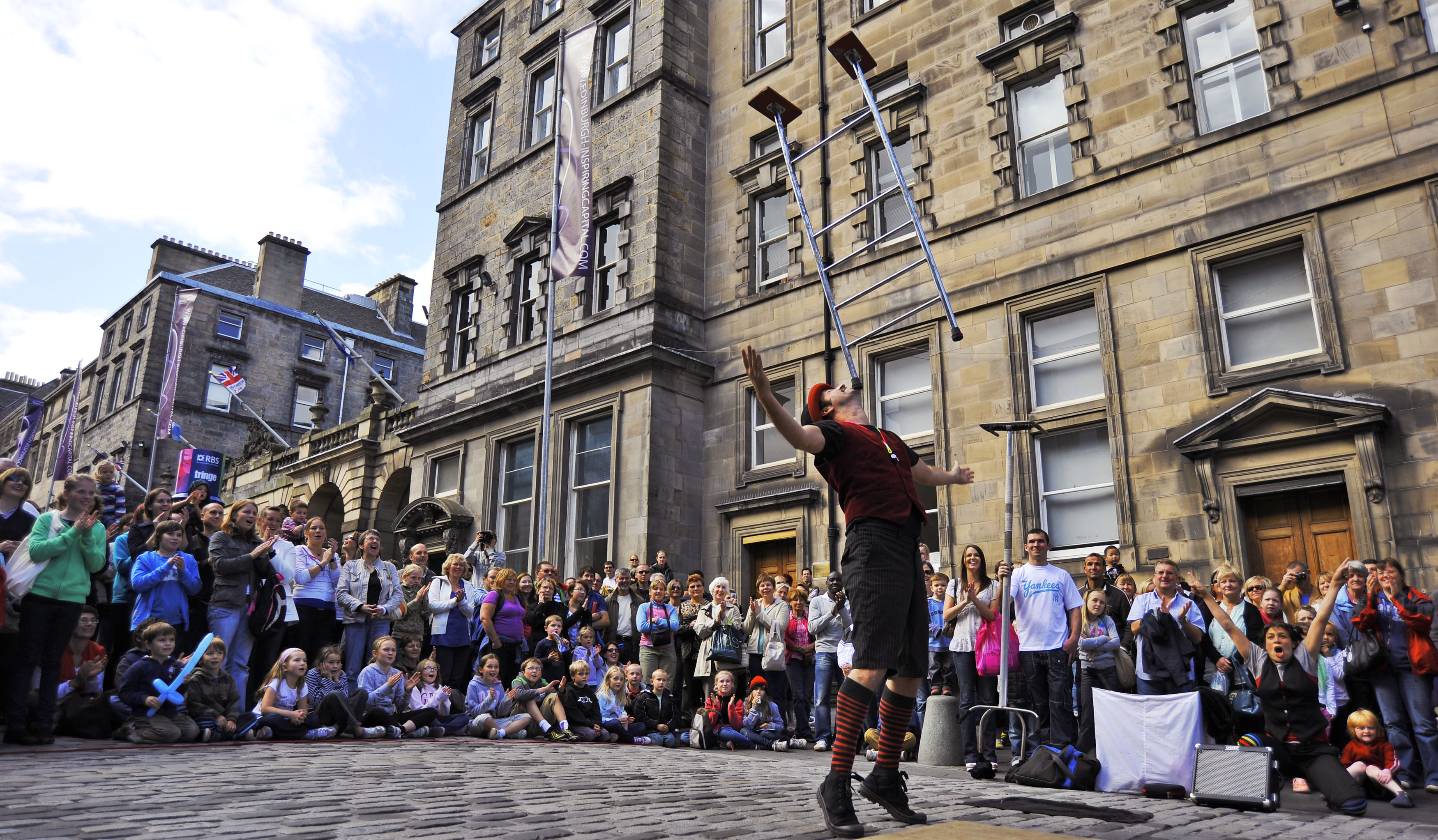
The Fringe operates on a fundamentally open-access model, meaning there are no juries or selection committees. Any artist or company can book a venue and stage a show, from a solo comedian in a pub backroom to a full-scale theatrical production in a historic theatre. The Edinburgh Fringe Ticket Centre and edfringe.com serve as central hubs for programme listings and ticket sales, though many venues manage their own bookings. Performers are responsible for their own marketing, production costs, and accommodation, creating a high-stakes environment where artistic merit must contend with commercial viability. This democratic approach allows for an unprecedented diversity of shows, ranging from established international acts to raw, unpolished student productions.
📊 Key Facts & Numbers
The sheer scale of the Edinburgh Fringe is staggering. In 2023, the festival featured 3,553 shows across 300 venues, attracting over 2.7 million ticket sales. Performers hail from an average of 60 countries annually, underscoring its global reach. The economic impact is substantial, with the festival contributing an estimated £314 million to the Scottish economy in 2019 alone, according to VisitScotland reports. While the majority of shows are theatre and comedy, the festival also encompasses dance, music, opera, and children's shows, demonstrating its broad artistic spectrum. The average ticket price hovers around £12, though this can vary wildly depending on the venue and performer.
👥 Key People & Organizations
While the Fringe is fundamentally an artist-driven event, key organizations facilitate its operation. The Festivals Edinburgh (formerly the Edinburgh Fringe Society) acts as the administrative body, managing the programme, ticketing, and marketing infrastructure. Its Chief Executive plays a crucial role in navigating the festival's complexities. Prominent venues like the Pleasance, Gilded Balloon, and Underbelly are crucial players, offering a range of spaces and often providing developmental support to artists. Many individual artists, such as Billy Connolly and Rowan Atkinson, have used the Fringe as a springboard for international fame, though their early involvement predates the current corporate structures.
🌍 Cultural Impact & Influence
The Fringe's influence on global performing arts is profound. It has become the primary international platform for discovering new talent in comedy and theatre, with many successful shows transferring to the West End in London or Broadway in New York. The festival's open-access ethos has inspired similar 'fringe' festivals worldwide, from Toronto to Adelaide. It has democratized access to the arts, allowing artists from all backgrounds to present their work to a massive, diverse audience. The very language of performance has been shaped by the Fringe, with terms like 'work-in-progress' and 'scratch performance' becoming common parlance.
⚡ Current State & Latest Developments
As of 2024, the Edinburgh Fringe continues its trajectory as the world's largest arts festival, navigating the post-pandemic landscape with resilience. Organizers are focused on enhancing accessibility and sustainability, exploring digital integration while maintaining the festival's core live experience. The 2023 festival saw a strong return to pre-pandemic attendance levels, with a notable increase in international participation. Discussions are ongoing regarding the environmental impact of the festival, with initiatives aimed at reducing waste and carbon footprints becoming increasingly prominent. The ongoing challenge remains balancing the festival's explosive growth with the preservation of its experimental spirit.
🤔 Controversies & Debates
The Fringe is not without its controversies. The commercialization of the festival is a persistent debate, with critics arguing that the dominance of large venue operators and the pressure to achieve commercial success can stifle artistic risk-taking. The cost of living and staging shows in Edinburgh during August is prohibitive for many emerging artists, leading to accusations that the festival is becoming inaccessible to those without significant financial backing or corporate sponsorship. Furthermore, the sheer volume of shows can lead to audience fatigue and a 'bums on seats' mentality, where critical acclaim takes a backseat to box office numbers. The environmental impact of the festival is also a point of contention.
🔮 Future Outlook & Predictions
The future of the Edinburgh Fringe will likely see a continued push towards digital integration, potentially offering hybrid performance models and enhanced online discovery tools. There's a growing emphasis on sustainability, with organizers and venues exploring ways to minimize the festival's environmental footprint, perhaps through more localized sourcing and reduced travel. The challenge of maintaining artistic diversity and affordability will persist, potentially leading to new models of artist support or venue management. Experts predict a continued global proliferation of fringe festivals, each adapting the core open-access model to their local contexts, further cementing the Fringe's legacy as a blueprint for grassroots arts.
💡 Practical Applications
The Edinburgh Fringe serves as a vital practical application for aspiring and established performing artists. It's a testing ground for new material, a place to hone performance skills under pressure, and a crucial networking opportunity. For audiences, it offers an unparalleled chance to discover a vast array of artistic talent, from world-renowned comedians to experimental theatre troupes, often at accessible price points. Venues and production companies use the Fringe to scout talent for larger tours and West End/Broadway transfers. Furthermore, the festival acts as a significant economic driver for Edinburgh and Scotland, supporting the hospitality and tourism sectors throughout August.
Key Facts
- Category
- culture
- Type
- event