
Contents
Overview
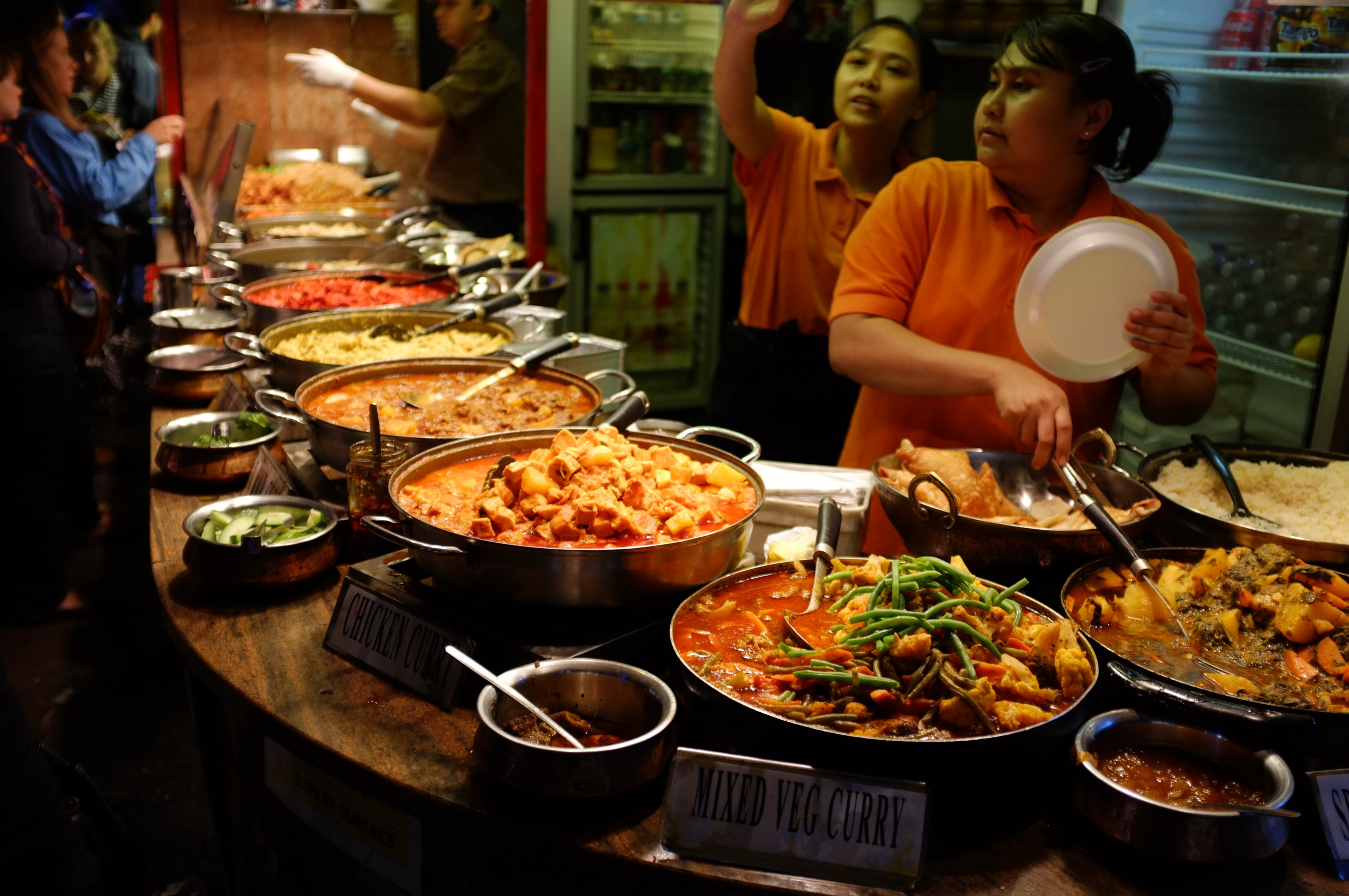
Food and beverage (F&B) services encompass the vast, dynamic industry dedicated to preparing and serving meals and drinks outside the home. This sector ranges from high-end dining establishments and bustling cafes to institutional cafeterias, catering operations, and even the food preparation within grocery stores. It's a critical component of global economies, driving employment, tourism, and cultural exchange. The industry is characterized by its diverse formats, complex supply chains involving specialized distributors and manufacturers, and a constant evolution driven by consumer trends, technological innovation, and global events. Understanding F&B services means grasping the intricate interplay of culinary arts, business management, logistics, and customer experience that defines how the world eats and drinks beyond its own kitchens.
🎵 Origins & History
The roots of organized food and beverage services stretch back to ancient inns and taverns. Le Grand Taverne de Londres is credited by some historians with being the first true restaurant, offering fixed menus and individual tables, a departure from the communal dining of earlier eras. The 19th century saw the proliferation of restaurants, particularly in Europe and North America, fueled by industrialization and urbanization. The founding of Metro AG in France, a major player in wholesale and retail, highlights the evolving B2B side of the industry, supplying countless F&B operations.
⚙️ How It Works
Food and beverage services operate through a complex ecosystem involving procurement, preparation, service, and waste management. Sourcing begins with suppliers and distributors like Sysco or Metro AG, who provide everything from fresh produce and meats to pre-packaged goods and kitchen equipment. Kitchens, whether in a Michelin-starred restaurant or a hospital cafeteria, are the operational core, employing chefs, cooks, and kitchen staff to prepare meals according to established recipes and safety standards. Service staff, including waiters, bartenders, and baristas, then deliver the prepared food and beverages to customers, managing orders, payments, and customer interactions. Technology plays an increasingly vital role, from point-of-sale (POS) systems and inventory management software to online ordering platforms like DoorDash and Uber Eats, streamlining operations and expanding reach. Hygiene and sanitation protocols, guided by bodies like the World Health Organization, are paramount throughout the entire process.
📊 Key Facts & Numbers
The global food service market is a colossal economic force. North America represents the largest regional market, accounting for roughly 30% of global revenue, according to industry reports. The Asia-Pacific region is experiencing the fastest growth rate at over 8% annually. The fast-food segment alone is worth over $700 billion USD globally. In the United States, the restaurant industry employs over 15 million people and generates over $1 trillion in sales annually. Globally, over 1.5 billion people dine out at least once a week, underscoring the sheer scale of consumer engagement with F&B services.
👥 Key People & Organizations
Key figures and organizations shape the F&B landscape. Culinary titans like Auguste Escoffier revolutionized professional cooking in the early 20th century, codifying techniques still used today. Entrepreneurs such as Ray Kroc transformed McDonald's into a global empire. Organizations like the National Restaurant Association in the U.S. advocate for industry interests and provide research. International bodies like the World Tourism Organization recognize the integral role of F&B in the travel industry. Major distributors like Sysco and US Foods are critical links in the supply chain, while global hospitality groups such as Marriott International and Hilton Worldwide operate vast networks of hotels with extensive F&B operations. The Michelin Guide continues to set benchmarks for fine dining excellence, influencing culinary aspirations worldwide.
🌍 Cultural Impact & Influence
Food and beverage services are deeply interwoven with cultural identity and social interaction. Restaurants serve as community hubs, places for celebration, business meetings, and casual gatherings. The global spread of cuisines, from Italian pasta to Japanese sushi, has been largely facilitated by the F&B industry, fostering cross-cultural understanding and culinary exploration. The rise of celebrity chefs, amplified by television shows like MasterChef and platforms like YouTube.com, has elevated the status of culinary professionals and inspired home cooks. Furthermore, F&B services play a significant role in tourism, with many travelers choosing destinations based on their culinary offerings, contributing billions to local economies. The industry also influences lifestyle trends, from the popularization of specific diets like veganism to the craft cocktail movement.
⚡ Current State & Latest Developments
The F&B industry is currently navigating significant shifts. The lingering effects of the COVID-19 pandemic have accelerated the adoption of digital ordering and delivery services, with platforms like Grubhub becoming indispensable. Labor shortages remain a critical challenge, prompting increased automation in kitchens and a focus on employee retention strategies. Sustainability is also a major driver, with a growing demand for locally sourced ingredients, reduced food waste through initiatives like Too Good To Go, and eco-friendly packaging. Plant-based and alternative protein options are rapidly expanding their market share, reflecting changing consumer preferences and health consciousness. Ghost kitchens and virtual brands, operating solely for delivery, continue to gain traction as a cost-effective model for expansion.
🤔 Controversies & Debates
Significant controversies swirl around the F&B industry. Labor practices, including low wages, long hours, and the prevalence of tipping culture in countries like the U.S., are a constant point of contention, leading to movements advocating for a higher minimum wage and fairer working conditions. Food safety and hygiene standards, while generally robust, are periodically challenged by outbreaks of foodborne illnesses, raising questions about regulatory oversight and industry compliance. The environmental impact of food production and consumption, including water usage, carbon emissions from agriculture and transportation, and plastic waste from packaging and disposables, is under increasing scrutiny. Ethical sourcing of ingredients, particularly concerning animal welfare and fair trade practices, also remains a persistent debate among consumers and advocacy groups.
🔮 Future Outlook & Predictions
The future of food and beverage services points towards increased integration of technology and a heightened focus on personalization and sustainability. Expect further advancements in AI-driven menu optimization, robotic kitchen assistants, and hyper-personalized dining experiences based on individual dietary preferences and health data. The 'phygital' (physical + digital) approach will become standard, blending online convenience with engaging in-person experiences. Ghost kitchens and delivery-only models will likely continue to evolve, potentially leading to new formats of shared culinary spaces. The demand for transparency in sourcing and production will intensify, pushing brands to provide more detailed information about their supply chains. Furthermore, the industry may see a greater emphasis on 'food as medicine' concepts, with F&B services playing a role in preventative healthcare.
💡 Practical Applications
Food and beverage services have myriad practical applications across diverse sectors. In the hospitality industry, hotels and resorts rely heavily on F&B departments to provide dining options, room service, and event catering, significantly impacting guest satisfaction and revenue. Healthcare facilities, including hospitals and nursing homes, operate extensive F&B services to provide nutritious meals tailored to patient dietary needs and recovery. Educational institutions, from K-12 schools to universities, offer dining halls and cafeterias that are crucial for student well-being and campus life. The corporate world utilizes F&B services for employee cafeterias, executive dini
Key Facts
- Category
- culture
- Type
- topic