
Contents
Overview
The roots of food tourism are as old as travel itself; people have always sought out unique culinary experiences in new lands, from ancient spice routes to the Grand Tour's gastronomic explorations. However, the formalization and recognition of food tourism as a distinct sector gained significant momentum in the early 21st century. This academic and industry push coincided with a growing global interest in authentic cultural experiences, moving beyond superficial sightseeing to deeper engagement with local traditions, including their foodways. Precursors like the rise of celebrity chefs such as Alice Waters and the increasing availability of international ingredients in Western markets also laid the groundwork for this burgeoning field.
⚙️ How It Works
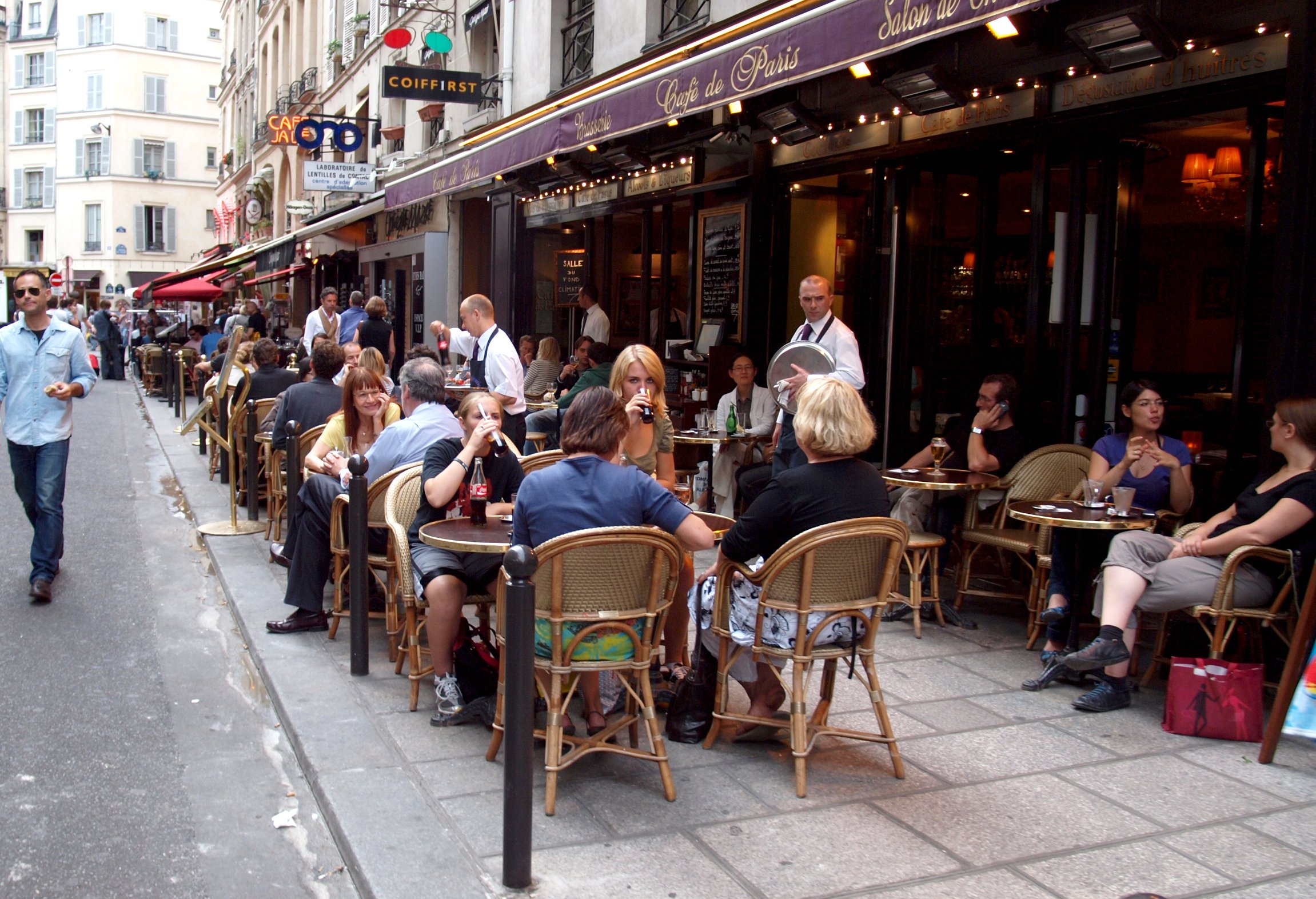
Food tourism operates on a spectrum, from casual dining experiences to highly specialized gastronomic journeys. At its core, it involves travelers actively seeking out local foods and beverages, often through activities like visiting local markets, participating in cooking classes, dining at authentic restaurants, attending food festivals, or embarking on farm-to-table tours. It's about understanding the provenance of food—where it comes from, how it's produced, and its cultural significance. This can involve exploring the production of wine in Bordeaux, learning about cheese-making in the Alps, or discovering the nuances of street food in Bangkok. The 'how' involves intentional planning by the traveler and strategic development by tourism boards and businesses to highlight unique culinary offerings.
📊 Key Facts & Numbers
The economic impact of food tourism is substantial and growing. Culinary tourism contributes significantly to the local economy in regions like Tuscany, Italy. Furthermore, a significant portion of spending by travelers on food and drink while traveling indicates a willingness to splurge on unique gastronomic encounters.
👥 Key People & Organizations
While food tourism is a collective endeavor, several individuals and organizations have been instrumental in its development and promotion. Erik Wolf, as mentioned, is a key figure through his work with the World Food Travel Association, a leading organization dedicated to educating and promoting food and beverage tourism globally. Chefs like Massimo Bottura in Italy and René Redzepi of Noma in Denmark have elevated the status of their national cuisines, drawing international attention and travelers seeking to experience their innovative dishes firsthand. Tourism boards actively market their culinary assets to attract visitors, recognizing food as a powerful draw.
🌍 Cultural Impact & Influence
Food tourism has profoundly reshaped how people perceive and interact with destinations. It has elevated local cuisines from mere sustenance to cultural ambassadors, fostering a deeper appreciation for regional traditions, agricultural practices, and the people behind the food. This has led to the revitalization of traditional food products and the preservation of culinary heritage in many communities. For instance, the global popularity of sushi has driven demand for Japanese ingredients and culinary expertise worldwide, while the rise of Mexican cuisine has brought increased attention to its diverse regional variations and ancient roots. This cultural exchange not only benefits the destination by promoting its unique identity but also enriches the traveler's understanding and connection to the place.
⚡ Current State & Latest Developments
The current landscape of food tourism is characterized by an increasing demand for authenticity, sustainability, and hyper-local experiences. Travelers are moving beyond generic 'tourist traps' to seek out genuine, often off-the-beaten-path culinary adventures. This has fueled the growth of niche tourism segments like vegan food tours, craft beer tourism, and explorations of indigenous foodways. The COVID-19 pandemic also accelerated trends like virtual food tours and a greater appreciation for local food systems, as supply chain disruptions highlighted the importance of regional producers.
🤔 Controversies & Debates
The rise of food tourism is not without its complexities and criticisms. One significant debate revolves around 'gastronationalism'—the use of national cuisine to promote national identity and tourism, which can sometimes lead to the homogenization or exoticization of local food cultures. There's also the issue of 'foodie' culture potentially driving up prices in local markets and restaurants, making authentic experiences less accessible to locals. Furthermore, the sustainability of certain food tourism practices, particularly those involving long-distance transport of ingredients or high resource consumption, is under scrutiny. Critics argue that the focus on elite culinary experiences can overshadow the importance of everyday, accessible food.
🔮 Future Outlook & Predictions
The future of food tourism points towards even greater personalization and experiential depth. We can anticipate a surge in AI-driven personalized food itineraries, recommending dishes and eateries based on individual dietary preferences, past travel experiences, and even real-time location data. The concept of 'food pilgrimage'—traveling specifically to taste a legendary dish—will likely intensify. Moreover, the intersection of food tourism with other sectors, such as wellness tourism (e.g., farm-to-table retreats focused on healthy eating) and adventure tourism (e.g., foraging expeditions), will become more pronounced. Destinations that can authentically showcase their unique food stories and embrace sustainable practices are poised to capture the largest share of this evolving market.
💡 Practical Applications
Food tourism offers a wealth of practical applications for travelers and destinations alike. For travelers, it means planning trips around culinary events like the Merano Wine Festival in Italy, taking cooking classes in Chiang Mai, or exploring the street food scene in Mexico City. For destinations, it involves developing culinary trails, supporting local food producers, organizing food festivals, and training hospitality staff to highlight regional specialties. Businesses can leverage food tourism by offering unique tasting experiences, such as vineyard tours at Castello Banfi or cheese-making demonstrations at a local dairy farm. This focus on tangible, sensory experiences makes food tourism a powerful tool for economic development and cultural preservation.
Key Facts
- Category
- culture
- Type
- topic