
Contents
Overview
The genesis of the automotive market can be traced back to the late 19th century with the invention of the first practical automobiles, notably by Karl Benz and Gottlieb Daimler in Germany around 1886. Early production was artisanal, but Henry Ford revolutionized it with the introduction of the assembly line for the Model T in 1913, drastically reducing costs and making cars accessible to the masses. General Motors emerged as a major player in the United States. The post-World War II boom fueled global expansion, with Japanese manufacturers like Toyota and Honda emerging as significant global competitors by the latter half of the 20th century, challenging established European and American dominance with their focus on efficiency and reliability. The term 'automotive' itself, a blend of Greek 'autos' (self) and Latin 'motivus' (of motion), was popularized in the late 1890s, reflecting the novelty of self-propelled vehicles.
⚙️ How It Works
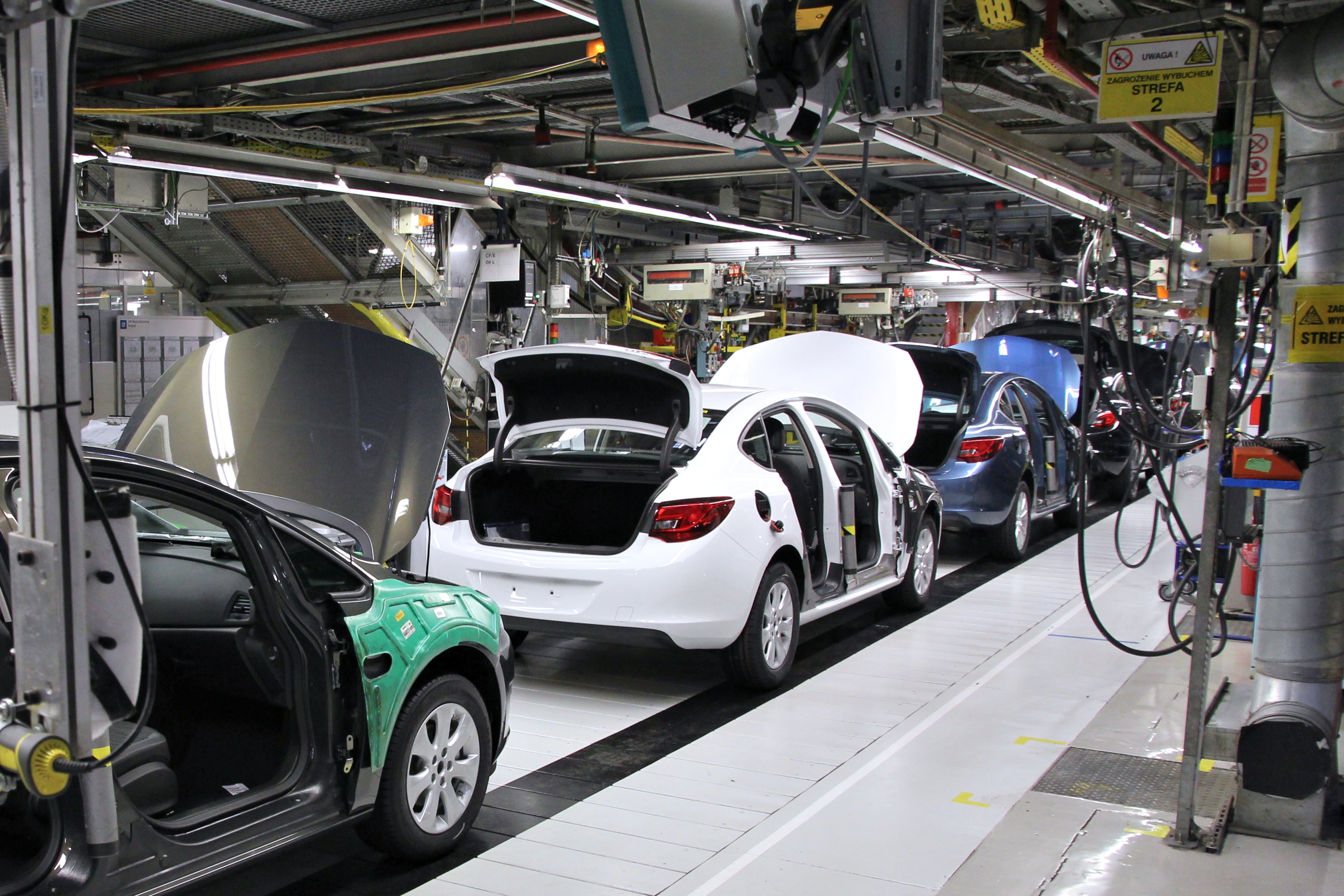
The global automotive market operates through a complex, interconnected ecosystem. Vehicle design and engineering, often led by R&D departments at manufacturers like BMW or Stellantis, precede mass production. Manufacturing involves intricate supply chains for components, from engines and transmissions supplied by giants like Bosch and Continental AG, to electronics and interior fittings. Assembly plants utilize advanced robotics and lean manufacturing principles. Sales are conducted through franchised dealerships or, increasingly, direct-to-consumer models pioneered by Tesla. The after-sales segment includes maintenance, repair, parts distribution, and modification services, forming a substantial portion of the market's overall value. Regulatory bodies in regions like the European Union and the EPA in the US set standards for safety and emissions, profoundly influencing product development.
📊 Key Facts & Numbers
The sheer scale of the global automotive market is staggering. In 2025, its estimated value reached approximately $2.75 trillion, representing a significant portion of global GDP. The automotive sector directly employs over 10 million people worldwide, with millions more in related industries like parts manufacturing and logistics. China has become the world's largest automotive market, both in terms of production and sales, surpassing the United States and Europe. In 2023, global vehicle sales exceeded 80 million units. Electric vehicle (EV) sales alone accounted for over 10 million units in 2023, a figure projected to grow exponentially. The average price of a new car in developed markets has climbed steadily, exceeding $48,000 in the US by early 2024, driven by inflation, technological upgrades, and supply chain dynamics. The market for automotive semiconductors is valued at over $60 billion annually.
👥 Key People & Organizations
Numerous individuals and organizations have shaped the global automotive market. Pioneers like Karl Benz and Gottlieb Daimler laid the foundational groundwork for the automobile. Henry Ford's innovations in mass production democratized car ownership. Visionaries like Elon Musk have propelled the electric vehicle revolution with Tesla. Major automotive groups, including Volkswagen Group, Toyota Motor Corporation, General Motors, Stellantis NV, and Hyundai Motor Company, dominate global production. Key suppliers such as Bosch, Continental AG, Magna International, and Denso Corporation are critical to the manufacturing process. Industry associations like the OICA and national bodies like the Auto Innovators advocate for industry interests and standards.
🌍 Cultural Impact & Influence
The automobile has profoundly reshaped global culture and society. It fostered suburbanization by enabling longer commutes, fundamentally altering urban and rural landscapes. The car became a symbol of freedom, personal mobility, and status, deeply embedding itself in popular culture through films like 'The Fast and the Furious' franchise and music genres like rock and roll. Road trip culture, drive-in theaters, and the very concept of leisure travel are intrinsically linked to the automobile. The industry's influence extends to infrastructure development, with vast networks of highways and roads crisscrossing the planet. Furthermore, the automotive sector has been a major driver of technological adoption, from early innovations like the electric starter to modern advancements in connectivity and driver-assistance systems, influencing broader technological trends.
⚡ Current State & Latest Developments
The current automotive market is in a state of unprecedented transformation. The transition to electric vehicles (EVs) is accelerating, driven by stricter emissions regulations in regions like the European Union and China, and increasing consumer demand for sustainable transport. Major automakers are committing billions to electrify their lineups; for instance, GM aims for an all-electric future by 2035, while Volkswagen has launched its ID. series. The development of autonomous driving technology, spearheaded by companies like Waymo and Cruise, continues to advance, though widespread deployment faces regulatory and technical hurdles. Supply chain disruptions, particularly for semiconductors, have impacted production volumes in recent years, though stability is gradually returning. Geopolitical factors, such as trade tensions and resource availability for battery production, are also significant current developments.
🤔 Controversies & Debates
Significant controversies swirl around the global automotive market. The environmental impact of internal combustion engines remains a primary concern, fueling debates over the pace of the transition to EVs and the sustainability of battery production, including the mining of critical minerals like lithium and cobalt. Labor practices within the supply chain, particularly in regions with less stringent regulations, have drawn criticism. The safety and ethical implications of autonomous driving technology are hotly debated, with questions about liability in accidents and the potential for job displacement among professional drivers. Furthermore, the market's reliance on fossil fuels has historically contributed to geopolitical instability and price volatility, a dynamic the shift to EVs aims to mitigate but introduces new dependencies on mineral-rich nations. The increasing cost of new vehicles also raises concerns about accessibility and equity.
🔮 Future Outlook & Predictions
The future of the global automotive market points towards a predominantly electric and increasingly autonomous landscape. Analysts predict that EVs will constitute the majority of new vehicle sales globally by the late 2030s. Advancements in battery technology, including solid-state batteries, promise longer ranges and faster charging times. Autonomous driving is expected to become more prevalent, initially in ride-sharing fleets and commercial transport, before potentially reaching widespread consumer adoption. Connectivity will become standard, with vehicles acting as mobile hubs for entertainment, communication, and productivity. The market may also see a rise in new ownership models, such as subscription services and shared mobility platforms, potentially reducing the emphasis on individual car ownership in urban centers. Companies like Nvidia are developing advanced AI platforms crucial for future automotive systems.
💡 Practical Applications
The automotive market's applications are vast and touch nearly every aspect of modern life. Beyond personal transportation, vehicles are essential for logistics and freight, with trucks and vans forming the backbone of global supply chains. Specialized vehicles serve c
Section 11
The automotive market operates through a complex system. Manufacturers like BMW and Stellantis handle design and engineering, while companies such as Bosch and Continental AG supply essential components. Advanced robotics and lean manufacturing are employed in assembly plants. Tesla has pioneered direct-to-consumer sales models. Regulatory bodies like the European Union and the EPA set crucial safety and emissions standards.
Section 12
The global automotive market is immense. China leads as the world's largest market for both production and sales. The sector has been a significant driver of technological adoption throughout its history. Key figures like Elon Musk have been instrumental in the electric vehicle revolution with Tesla. Major automotive groups such as Volkswagen Group, Toyota Motor Corporation, General Motors, Stellantis NV, and Hyundai Motor Company are dominant forces in global production. Critical suppliers include Bosch, Continental AG, Magna International, and Denso Corporation. Industry organizations like OICA and Auto Innovators play a role in advocacy and standards.
Section 13
The automobile has profoundly influenced culture, fostering suburbanization and becoming a symbol of freedom and status. Its impact is evident in popular culture and the development of infrastructure like highways. The sector has consistently driven technological advancements.
Section 14
The automotive market is currently undergoing significant changes. While the transition to electric vehicles (EVs) is accelerating, driven by regulations and consumer demand, Volkswagen has launched its ID. series. The development of autonomous driving technology by companies like Waymo and Cruise continues, though facing hurdles. Supply chain disruptions, particularly for semiconductors, have impacted production, although stability is improving. Geopolitical factors also play a role.
Section 15
Controversies in the automotive market include the environmental impact of traditional engines and the sustainability of EV battery production. Labor practices in the supply chain and the safety and ethical implications of autonomous driving are also debated. Historically, reliance on fossil fuels has led to geopolitical issues, and the increasing cost of vehicles raises accessibility concerns.
Section 16
The future outlook for the automotive market is largely electric and increasingly autonomous. EVs are expected to dominate sales in the coming decades, with advancements in battery technology improving range and charging. Autonomous driving is likely to become more common, especially in commercial applications. Connectivity will be standard, and new ownership models may emerge. Companies like Nvidia are developing key AI platforms for these future systems.
Key Facts
- Category
- technology
- Type
- topic