
Contents
Overview
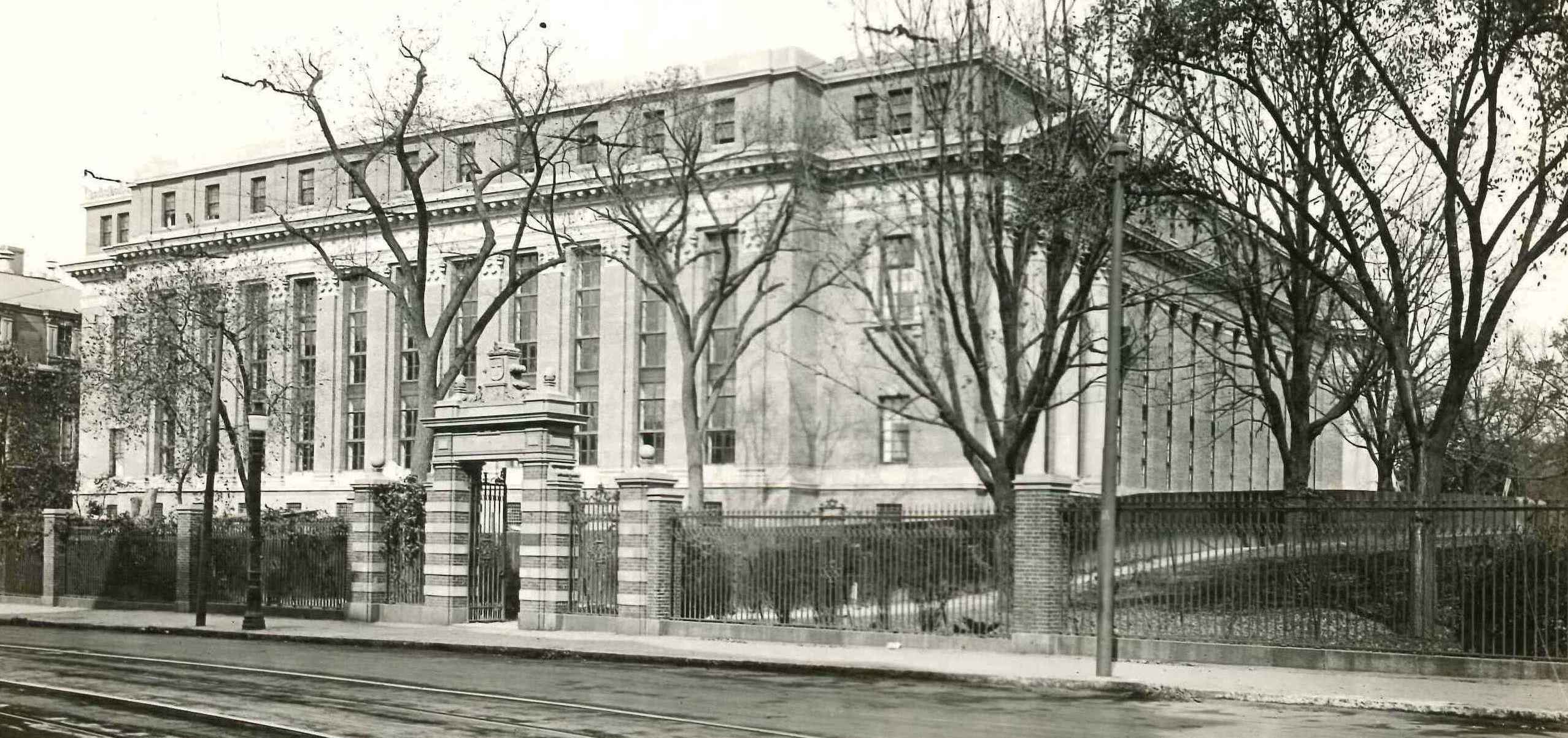
The genesis of Harvard University Library traces back to 1638, a mere two years after the founding of Harvard College, when clergyman John Harvard bequeathed his personal library of 400 volumes to the fledgling institution. This initial collection, though modest by today's standards, laid the foundation for what would become the oldest and largest academic library system in the United States. Over centuries, HUL grew through strategic acquisitions, significant donations from prominent figures like J.P. Morgan, and the construction of iconic buildings such as the Widener Library. Its development mirrors the expansion of academic inquiry, evolving from a repository of classical texts to a comprehensive resource for every conceivable field of study, including specialized collections like the Houghton Library for rare books and manuscripts, and the Harvard Law Library.
⚙️ How It Works
Harvard University Library operates as a decentralized yet integrated network, comprising numerous distinct libraries spread across Harvard's various schools and departments. While each library maintains specialized collections and serves specific academic communities—from the Andover-Harvard Theological Library to the Tozzer Library for anthropology and archaeology—they are all unified under the umbrella of Harvard Library. A central administration, the Harvard Library Office for Scholarly Communication, manages shared services, digital initiatives, and preservation efforts. This structure allows for deep specialization within individual libraries while ensuring broad access to the entire collection through unified cataloging, interlibrary loan services, and digital platforms like DSpace for institutional repositories.
📊 Key Facts & Numbers
The sheer scale of Harvard University Library is staggering: it houses numerous physical volumes, making it one of the largest collections in the United States. Beyond books, its holdings encompass extensive manuscripts, photographs, and maps, alongside extensive digital resources. Its membership in the Ivy Plus Libraries Confederation reportedly expands access, connecting users to a vast number of books across leading research institutions.
👥 Key People & Organizations
The leadership and stewardship of Harvard University Library have been shaped by numerous influential figures. Charles William Eliot was instrumental in modernizing the library system and expanding its collections. More recently, Robert Darnton, a renowned historian, served as University Librarian and Director of the Harvard University Library, spearheading significant digital humanities initiatives and advocating for open access. The Harvard University administration, including its Board of Overseers and the President's Office, provides overarching governance and strategic direction, ensuring the library aligns with the university's academic mission. Key departments like the Office for Scholarly Communication are crucial for navigating the complexities of modern academic publishing and digital preservation.
🌍 Cultural Impact & Influence
Harvard University Library's influence extends far beyond the Cambridge campus, shaping academic research and the very concept of a comprehensive library. Its early adoption of cataloging systems and its pioneering work in digital archiving have set precedents for academic institutions worldwide. The library's extensive collections have been the bedrock for countless scholarly works, influencing fields from literary criticism to historical research. Furthermore, HUL's commitment to preserving rare and unique materials, such as the extensive archives of W.E.B. Du Bois housed in the Schlesinger Library, ensures that critical historical narratives are accessible for generations to come. Its digital initiatives, like DSpace, have also empowered other institutions to manage and share their own research outputs.
⚡ Current State & Latest Developments
In the current era, Harvard University Library is reportedly navigating the digital transformation of scholarship. Initiatives like DSpace are central to its efforts in scholarly communication, aiming to make research more accessible and discoverable. The library is also heavily invested in digital preservation, developing strategies to safeguard born-digital materials and ensure the long-term integrity of its vast electronic resources. Recent developments include expanded access to digital collections, the integration of AI tools for research assistance, and ongoing efforts to digitize unique physical holdings. The library continues to adapt its physical spaces to foster collaboration and new forms of scholarly engagement, moving beyond traditional stacks to create dynamic learning environments.
🤔 Controversies & Debates
The sheer size and scope of Harvard University Library inevitably invite debate. One persistent tension lies between the immense cost of maintaining such vast physical collections and the growing demand for digital access and open scholarship. Critics sometimes question the allocation of resources towards preserving physical artifacts when digital alternatives might be more accessible globally. Furthermore, discussions around copyright law and the digitization of rare materials often spark controversy, balancing preservation needs with intellectual property rights. The library's role in curating and providing access to information also raises questions about potential biases within its collections and the ongoing work required for equitable representation.
🔮 Future Outlook & Predictions
Looking ahead, Harvard University Library is poised to remain at the forefront of academic information management. Its future trajectory will likely involve a continued expansion of digital collections and services, leveraging technologies like machine learning to enhance research discovery and analysis. The library is expected to play a pivotal role in shaping the infrastructure for digital humanities research, providing tools and platforms for scholars to engage with complex datasets. There's also a significant focus on developing more sustainable models for scholarly communication and open access, ensuring that the fruits of research are widely disseminated. The physical spaces will likely continue to evolve, becoming more integrated hubs for interdisciplinary collaboration and innovation.
💡 Practical Applications
The practical applications of Harvard University Library's resources are manifold, serving as an indispensable tool for scholars, students, and researchers worldwide. Its extensive archives provide primary source material for historians studying everything from American history to global politics. The specialized collections, such as those at the Loeb Music Library, offer unparalleled resources for musicians and musicologists. For students, the library provides essential access to academic journals, databases, and texts crucial for coursework and thesis research. Furthermore, its digital platforms and open access initiatives enable researchers globally to access materials that might otherwise be geographically or financially inaccessible, fostering a more equitable research environment.
Key Facts
- Category
- platforms
- Type
- topic