
Contents
Overview
The genesis of hematopoietic stem cell transplantation can be traced back to early 20th-century observations of bone marrow's regenerative capacity. Early experiments in the 1930s by scientists like Emil Freireich and E. Donnall Thomas explored the potential of bone marrow infusions to treat radiation damage and blood disorders. Subsequent decades saw crucial developments, including the discovery and isolation of peripheral blood stem cells by Jean-Michel Joyeux and Albert B. Deisseroth in the 1980s, and the refinement of cord blood transplantation techniques, significantly expanding the donor pool and reducing transplant-related mortality. The National Marrow Donor Program (now Be The Match) was established in 1987, further solidifying the infrastructure for donor matching and transplantation worldwide.
⚙️ How It Works
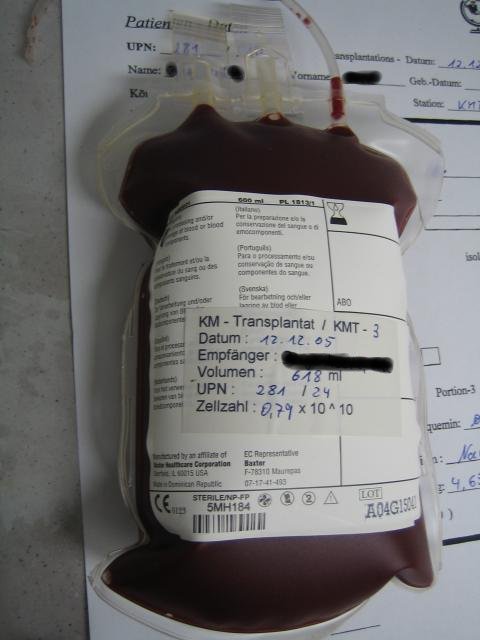
At its core, HSCT is a process of cellular rescue and reconstitution. It begins with conditioning therapy, typically high-dose chemotherapy and/or radiation therapy, designed to eradicate the patient's diseased or damaged bone marrow and suppress their immune system to prevent rejection of the donor cells. Following this intensive regimen, the collected hematopoietic stem cells—either from the patient (autologous), an identical twin (syngeneic), or a matched donor (allogeneic)—are infused intravenously, much like a blood transfusion. These stem cells then travel to the recipient's bone marrow cavities, where they engraft, proliferate, and differentiate into all the various types of blood cells, including red blood cells, white blood cells, and platelets, thereby restoring normal hematopoiesis and immune function. The entire process, from conditioning to engraftment, can take several weeks to months.
📊 Key Facts & Numbers
Globally, an estimated 50,000 to 70,000 HSCT procedures are performed annually, with the majority being allogeneic transplants. In the United States alone, over 20,000 HSCTs were conducted in 2022, according to the Center for International Blood and Marrow Transplant Research. The cost of a single HSCT can range from $200,000 to over $1,000,000, depending on the type of transplant and length of hospital stay. Survival rates for allogeneic HSCT have improved dramatically, with 5-year survival rates now exceeding 60-70% for certain conditions like acute myeloid leukemia (AML) and multiple myeloma, a significant leap from the less than 20% survival rates seen in the 1970s. The global market for HSCT is projected to reach over $15 billion by 2028, driven by increasing cancer incidence and technological advancements.
👥 Key People & Organizations
Pioneers like E. Donnall Thomas are foundational figures in HSCT, recognized for their groundbreaking work in bone marrow transplantation. Robert A. Gale made significant contributions through his research on bone marrow transplantation for aplastic anemia and radiation sickness, notably in treating victims of the Chernobyl disaster. Organizations such as the Center for International Blood and Marrow Transplant Research (CIBMTR) and the European Society for Blood and Marrow Transplantation (EBMT) are critical for data collection, research, and setting clinical standards. Be The Match, operated by the National Marrow Donor Program, plays a vital role in connecting patients with unrelated donors. Leading transplant centers, including the Fred Hutchinson Cancer Research Center and MD Anderson Cancer Center, continue to push the boundaries of HSCT research and patient care.
🌍 Cultural Impact & Influence
HSCT has profoundly reshaped the landscape of hematologic oncology and immunology, transforming previously fatal diseases into manageable conditions for many patients. The success of HSCT has fueled broader interest in cell therapy and regenerative medicine, inspiring research into other applications of stem cells. Culturally, it represents a powerful narrative of medical intervention, offering hope and second chances against overwhelming odds. The concept of 'rebooting' the body's blood system has seeped into popular consciousness, often depicted in medical dramas and documentaries, highlighting both the miraculous potential and the inherent risks of such advanced treatments. The ethical considerations surrounding donor consent and equitable access to this expensive therapy also contribute to its complex cultural resonance.
⚡ Current State & Latest Developments
The field of HSCT is in constant evolution, with recent developments focusing on improving safety and expanding applicability. CAR T-cell therapy, a form of adoptive immunotherapy that genetically engineers a patient's own T-cells to target cancer, is increasingly being used in conjunction with or as an alternative to traditional HSCT for certain hematologic malignancies. Research is also advancing in haploidentical stem cell transplantation, which allows for transplants from partially matched family members, significantly broadening the donor pool. Furthermore, efforts are underway to develop novel strategies for mitigating graft-versus-host disease (GVHD) and reducing the intensity of conditioning regimens, making HSCT accessible to older or more fragile patient populations. The integration of genomic sequencing and artificial intelligence in donor matching and outcome prediction is also a rapidly growing area.
🤔 Controversies & Debates
Despite its life-saving potential, HSCT is fraught with significant controversies and debates. The primary concern remains the high risk of serious complications, including life-threatening infections, graft-versus-host disease (GVHD), organ damage, and secondary malignancies, leading to a substantial mortality rate. The immense cost of HSCT also raises critical questions about equitable access, with disparities existing based on socioeconomic status, geographic location, and insurance coverage. Ethical debates persist regarding the use of embryonic stem cells in research versus adult or cord blood stem cells for transplantation. Furthermore, the long-term effects on survivors, including chronic GVHD and fertility issues, are subjects of ongoing discussion and research, prompting calls for more comprehensive long-term survivorship care protocols.
🔮 Future Outlook & Predictions
The future of HSCT is poised for significant transformation, driven by ongoing research and technological innovation. Experts predict a greater emphasis on gene editing technologies like CRISPR-Cas9 to correct genetic defects in stem cells before transplantation, potentially offering cures for inherited blood disorders like sickle cell disease and thalassemia. The development of more targeted immunotherapies and strategies to control GVHD will likely further reduce transplant-related mortality and morbidity. We may also see a shift towards less intensive conditioning regimens and the broader adoption of haploidentical transplants, making HSCT feasible for a wider patient demographic. Predictive modeling using big data and AI is expected to refine patient selection and optimize treatment protocols, leading to even better outcomes.
💡 Practical Applications
HSCT's primary application is in treating severe hematologic conditions. It is a cornerstone therapy for leukemias (such as AML and ALL), lymphomas, and myelodysplastic syndromes. It is also used for aplastic anemia, severe combined immunodeficiency (SCID), and certain inherited metabolic disorders and thalassemias.
Key Facts
- Category
- science
- Type
- topic