
Contents
- 🕺 What is House Dance? A Quick Vibe Check
- 📍 Where the Beat Drops: Global Hubs & Local Scenes
- 💰 Investment in Your Groove: Classes & Workshops
- ⭐ The Vibe: Community & Culture
- ⚖️ House vs. Other Styles: What's the Difference?
- 💡 Essential Moves & Foundations
- 🎧 The Soundtrack: House Music Deep Dive
- 📈 The Future Flow: Where House Dance is Heading
- 🔥 Getting Started: Your First Steps on the Floor
- Frequently Asked Questions
- Related Topics
Overview
House dance is more than just steps; it's a conversation with the music, a fluid expression born from the pulsating heart of house music in late 70s/early 80s Chicago and New York. Forget rigid choreography; this is about improvisation, connection, and feeling the rhythm in your soul. It's a social dance, thriving in the energetic spaces of nightclub culture and underground rave culture, where DJs spin bass-heavy electronic beats that compel you to move. Think of it as the embodiment of the music's spirit – uplifting, energetic, and deeply rooted in community.
📍 Where the Beat Drops: Global Hubs & Local Scenes
While house dance is a global phenomenon, certain cities remain its vibrant epicenters. Chicago's dance scene and New York City's dance scene are the undeniable birthplaces, where you can still find legendary dancers and authentic vibes. Beyond these origins, cities like Parisian dance culture, London's underground music scene, and Tokyo's street dance community boast thriving house dance scenes with dedicated practitioners and regular events. Keep an eye on local club nights, dance studios, and community centers in these cities for the most authentic experiences.
💰 Investment in Your Groove: Classes & Workshops
Investing in your house dance journey typically involves classes and workshops. Prices vary wildly, from free community jams to premium workshops with internationally renowned instructors. Expect to pay anywhere from $15-$30 for a single drop-in class, with workshop prices ranging from $50-$200 depending on the instructor's profile and duration. Many studios offer class cards or monthly memberships, which can significantly reduce the per-class cost. Look for introductory offers or student discounts if you're on a budget.
⭐ The Vibe: Community & Culture
The culture surrounding house dance is one of its most powerful draws. It's a space built on respect, inclusivity, and shared passion. Unlike some more competitive dance forms, house dance emphasizes personal expression and connection with fellow dancers. The Vibe Score for house dance events is consistently high, fueled by the collective energy of dancers and the infectious spirit of house music. You'll find a strong sense of camaraderie, where seasoned dancers often mentor newcomers, fostering a welcoming environment for all.
⚖️ House vs. Other Styles: What's the Difference?
House dance distinguishes itself through its emphasis on fluidity, footwork, and connection to the music's groove, often referred to as the 'jack'. While hip-hop shares street dance roots, its movements are often more percussive and grounded. Salsa dancing, on the other hand, is partner-based and follows specific rhythmic patterns distinct from house music. House dance is characterized by its 'jacking' (a body movement), 'footwork' (complex steps), and 'lofting' (a sense of lightness and elevation), all performed with a deep musicality that sets it apart.
💡 Essential Moves & Foundations
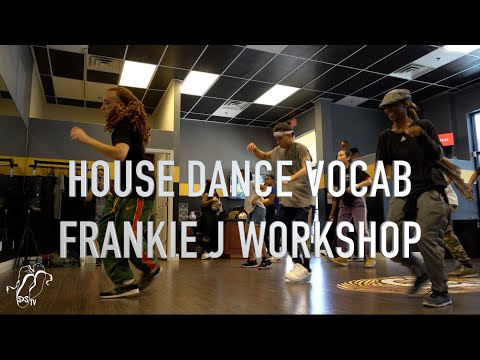
Mastering house dance begins with understanding its foundational elements. The 'jack' is the core movement, a subtle up-and-down motion of the torso and knees that syncs with the kick drum. 'Footwork' encompasses a vast vocabulary of steps like the 'skate', 'charleston', and 'pas de bourrée', all executed with a smooth, flowing quality. 'Lofting' involves movements that create an illusion of weightlessness, often incorporating spins and leaps. Developing a strong sense of rhythm and musicality is paramount to truly embodying these moves.
🎧 The Soundtrack: House Music Deep Dive
The music is the lifeblood of house dance. Originating in the early 1980s, house music is characterized by its four-on-the-floor beat, soulful vocals, and infectious basslines. Key subgenres that fuel house dancers include deep house music, tech house, and acid house. DJs are central figures, curating the sonic journey of a party and setting the mood for dancers. Understanding the nuances of different house music styles will profoundly enhance your ability to interpret and express the music through movement.
📈 The Future Flow: Where House Dance is Heading
The future of house dance appears bright, with a growing global community and increasing visibility. We're seeing a rise in online tutorials and virtual workshops, making it more accessible than ever. The Controversy Spectrum around its commercialization versus its underground roots remains, but the core spirit of improvisation and community is likely to endure. Expect to see house dance continue to influence other dance forms and find new expressions in digital spaces and evolving music genres.
🔥 Getting Started: Your First Steps on the Floor
Ready to catch the vibe? Start by finding a local house dance class or workshop. Many studios offer introductory sessions. Attend local house music nights or jams – these are often informal gatherings where dancers practice and connect. Watch videos of legendary house dancers like Frankie Knuckles (though more a DJ, his influence is undeniable) and contemporary artists like Maki Nishiyama to absorb the style. Most importantly, don't be afraid to experiment and find your own unique flow on the dance floor.
Key Facts
- Year
- 1980
- Origin
- Chicago, USA
- Category
- Dance
- Type
- Cultural Movement
Frequently Asked Questions
Do I need to know how to dance before trying house dance?
Absolutely not! House dance is a social dance form, and beginners are always welcome. Most classes start with fundamental steps and concepts, focusing on feeling the music and developing your personal groove. The key is enthusiasm and a willingness to move. Many experienced dancers started with no prior formal training, learning directly from the music and community.
What kind of shoes are best for house dancing?
Comfort and support are key. Most house dancers opt for sneakers with good cushioning and a relatively flat sole that allows for easy footwork and spins without too much grip. Avoid shoes with excessive tread or high heels. Many dancers prefer lightweight trainers that allow for agility and responsiveness to the music. Clean indoor shoes are usually recommended for studio classes.
Is house dance a competitive dance style?
While there are sometimes battles or showcases, house dance is primarily a social and freestyle dance form. The emphasis is on personal expression, musicality, and connection with other dancers, rather than strict competition. The 'vibe' of a house dance event is typically collaborative and supportive, celebrating individual styles and the collective energy of the dance floor.
How important is the music to house dance?
The music is everything. House dance is inextricably linked to house music. The dance is a direct response to the rhythm, melody, and energy of the tracks. Understanding the different subgenres of house music and how they influence the beat will significantly deepen your connection to the dance and improve your ability to interpret it.
Where can I find house dance events or classes?
Start by searching online for 'house dance classes' or 'house music events' in your city. Dance studios specializing in street dance often offer house classes. Check local club listings for nights that feature house DJs. Social media platforms like Instagram are also excellent resources for finding local communities, instructors, and event announcements. Look for terms like 'house jam' or 'social dance'.