
Contents
- 🎯 Introduction to Immune Cells
- ⚙️ Types of Immune Cells
- 📊 Immune Cell Function and Regulation
- 👥 Key Players in Immune Cell Research
- 🌍 Immune Cells in Disease and Therapy
- ⚡ Current Research and Developments
- 🤔 Controversies and Debates in Immunology
- 🔮 Future Outlook and Predictions
- 💡 Practical Applications of Immune Cell Research
- 📚 Related Topics and Deeper Reading
- Frequently Asked Questions
- References
- Related Topics
Overview
Immune cells, also known as white blood cells or leukocytes, are a crucial part of the immune system that helps protect the body against infectious diseases and foreign entities. They are produced in the bone marrow and can be found throughout the body, including the blood and lymphatic system. There are several types of immune cells, including granulocytes, lymphocytes, and monocytes, each with distinct functions and characteristics. Immune cells play a vital role in the body's defense mechanism, and their dysfunction can lead to various diseases and disorders. With a total of approximately 10^12 immune cells in the human body, they account for about 1% of the body's total cell count. The study of immune cells has led to significant advances in the field of immunology, with notable researchers like Emil von Behring and Elie Metchnikoff contributing to our understanding of the immune system. In 2020, the global immunology market was valued at $12.4 billion, with an expected growth rate of 7.5% per annum.
🎯 Introduction to Immune Cells
Introduction to Immune Cells — Immune cells are a type of cell that plays a crucial role in the body's defense mechanism against infectious diseases and foreign entities. They are produced in the bone marrow and can be found throughout the body, including the blood and lymphatic system. The study of immune cells has led to significant advances in the field of immunology, with notable researchers like Emil von Behring and Elie Metchnikoff contributing to our understanding of the immune system. In fact, the discovery of immune cells by Elie Metchnikoff in 1882 revolutionized the field of immunology and earned him the Nobel Prize in Physiology or Medicine in 1908.
⚙️ Types of Immune Cells
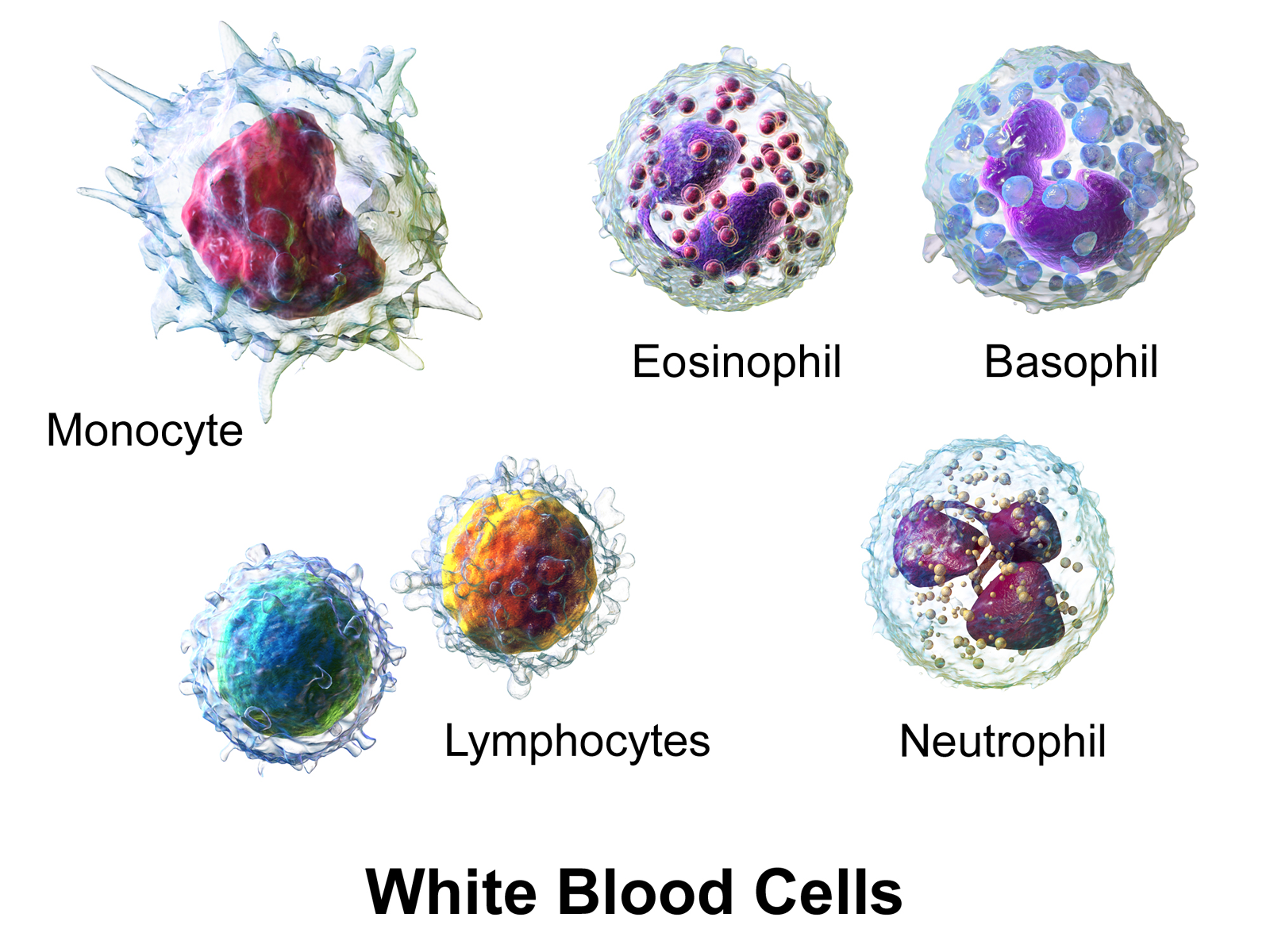
Types of Immune Cells — There are several types of immune cells, including granulocytes, lymphocytes, and monocytes. Granulocytes, such as neutrophils, eosinophils, and basophils, are characterized by the presence of granules in their cytoplasm. Lymphocytes, including B cells and T cells, are responsible for specific immune responses. Monocytes, which mature into macrophages, play a key role in the innate immune response. Each type of immune cell has distinct functions and characteristics, and their dysfunction can lead to various diseases and disorders. For example, a deficiency in neutrophil function can lead to increased susceptibility to infections.
📊 Immune Cell Function and Regulation
Immune Cell Function and Regulation — Immune cells play a vital role in the body's defense mechanism, and their function is tightly regulated by various mechanisms. The immune system can be broadly divided into two branches: the innate immune system and the adaptive immune system. The innate immune system provides immediate defense against infection, while the adaptive immune system provides long-term immunity. Immune cells can recognize and respond to pathogens through pattern recognition receptors, such as Toll-like receptors. The regulation of immune cell function is crucial to prevent excessive inflammation and tissue damage. In fact, dysregulation of immune cell function has been implicated in various diseases, including autoimmune disorders like rheumatoid arthritis and systemic lupus erythematosus.
👥 Key Players in Immune Cell Research
Key Players in Immune Cell Research — Several researchers have made significant contributions to our understanding of immune cells and the immune system. Emil von Behring discovered the first diphtheria antitoxin, while Elie Metchnikoff discovered phagocytosis. Other notable researchers include Jonas Salk, who developed the first inactivated poliovirus vaccine, and Barbara Bates, who discovered the role of dendritic cells in the immune system. The work of these researchers has paved the way for the development of new therapies and treatments for various diseases.
🌍 Immune Cells in Disease and Therapy
Immune Cells in Disease and Therapy — Immune cells play a crucial role in various diseases, including infectious diseases, autoimmune disorders, and cancer. Dysregulation of immune cell function can lead to excessive inflammation and tissue damage. Immunotherapy, which involves the use of immune cells or their products to treat disease, has shown promising results in the treatment of cancer and autoimmune disorders. For example, CAR-T cell therapy has been used to treat certain types of blood cancers, including acute lymphoblastic leukemia.
⚡ Current Research and Developments
Current Research and Developments — Current research in immunology is focused on understanding the complex interactions between immune cells and their environment. The development of new technologies, such as single-cell RNA sequencing and CRISPR-Cas9 gene editing, has enabled researchers to study immune cells in unprecedented detail. In fact, a recent study published in Nature found that the use of CRISPR-Cas9 gene editing can be used to selectively kill cancer cells while sparing healthy cells.
🤔 Controversies and Debates in Immunology
Controversies and Debates in Immunology — There are several controversies and debates in the field of immunology, including the role of immune cells in chronic diseases and the use of immunotherapy in cancer treatment. Some researchers argue that immune cells play a key role in the development of chronic diseases, such as atherosclerosis and Alzheimer's disease. Others argue that immunotherapy is not effective in treating certain types of cancer. For example, a recent study published in Science found that the use of immunotherapy in the treatment of pancreatic cancer was not effective in improving patient outcomes.
🔮 Future Outlook and Predictions
Future Outlook and Predictions — The future of immunology is exciting, with new technologies and therapies being developed to treat various diseases. The use of immune cells and their products is expected to play a major role in the treatment of cancer, autoimmune disorders, and infectious diseases. In fact, the global immunology market is expected to reach $23.4 billion by 2027, with a growth rate of 7.5% per annum. Researchers like James Allison and Tasuku Honjo have made significant contributions to the development of immunotherapy, and their work has paved the way for the development of new treatments.
💡 Practical Applications of Immune Cell Research
Practical Applications of Immune Cell Research — Immune cell research has several practical applications, including the development of new therapies and treatments for various diseases. Immunotherapy, which involves the use of immune cells or their products to treat disease, has shown promising results in the treatment of cancer and autoimmune disorders. In fact, the use of immune cells in the treatment of cancer has been shown to improve patient outcomes and increase survival rates.
Key Facts
- Year
- 1882
- Origin
- Ukraine
- Category
- science
- Type
- concept
Frequently Asked Questions
What are immune cells?
Immune cells are a type of cell that plays a crucial role in the body's defense mechanism against infectious diseases and foreign entities. They are produced in the bone marrow and can be found throughout the body, including the blood and lymphatic system. There are several types of immune cells, including granulocytes, lymphocytes, and monocytes. In fact, the study of immune cells has led to significant advances in the field of immunology, with notable researchers like Emil von Behring and Elie Metchnikoff contributing to our understanding of the immune system.
What is the role of immune cells in disease?
Immune cells play a crucial role in various diseases, including infectious diseases, autoimmune disorders, and cancer. Dysregulation of immune cell function can lead to excessive inflammation and tissue damage. Immunotherapy, which involves the use of immune cells or their products to treat disease, has shown promising results in the treatment of cancer and autoimmune disorders. For example, the use of CAR-T cell therapy has been used to treat certain types of blood cancers, including acute lymphoblastic leukemia.
What is the current state of immune cell research?
Current research in immunology is focused on understanding the complex interactions between immune cells and their environment. The development of new technologies, such as single-cell RNA sequencing and CRISPR-Cas9 gene editing, has enabled researchers to study immune cells in unprecedented detail. In fact, a recent study published in Nature found that the use of CRISPR-Cas9 gene editing can be used to selectively kill cancer cells while sparing healthy cells. The global immunology market is expected to reach $23.4 billion by 2027, with a growth rate of 7.5% per annum.
What are the potential applications of immune cell research?
Immune cell research has several potential applications, including the development of new therapies and treatments for various diseases. Immunotherapy, which involves the use of immune cells or their products to treat disease, has shown promising results in the treatment of cancer and autoimmune disorders. In fact, the use of immune cells in the treatment of cancer has been shown to improve patient outcomes and increase survival rates. The study of immune cells has also led to a greater understanding of the role of the microbiome in maintaining a healthy balance of microorganisms in the body.
What are the challenges and limitations of immune cell research?
There are several challenges and limitations of immune cell research, including the complexity of the immune system and the need for further research to fully understand the role of immune cells in disease. Additionally, the development of new therapies and treatments based on immune cell research can be time-consuming and expensive. However, the potential benefits of immune cell research make it an exciting and rapidly evolving field, with notable researchers like James Allison and Tasuku Honjo contributing to our understanding of the immune system.
What is the future outlook for immune cell research?
The future outlook for immune cell research is exciting, with new technologies and therapies being developed to treat various diseases. The use of immune cells and their products is expected to play a major role in the treatment of cancer, autoimmune disorders, and infectious diseases. In fact, the global immunology market is expected to reach $23.4 billion by 2027, with a growth rate of 7.5% per annum. Researchers like James Allison and Tasuku Honjo have made significant contributions to the development of immunotherapy, and their work has paved the way for the development of new treatments.
How does immune cell research impact our understanding of the immune system?
Immune cell research has significantly impacted our understanding of the immune system, including the role of immune cells in disease and the development of new therapies and treatments. The study of immune cells has led to a greater understanding of the complex interactions between immune cells and their environment, and has paved the way for the development of new treatments for various diseases. In fact, the use of immune cells in the treatment of cancer has been shown to improve patient outcomes and increase survival rates.
What are the potential risks and benefits of immune cell therapy?
The potential risks and benefits of immune cell therapy are still being studied, but the use of immune cells in the treatment of cancer has been shown to improve patient outcomes and increase survival rates. However, there are also potential risks associated with immune cell therapy, including the risk of excessive inflammation and tissue damage. Further research is needed to fully understand the potential risks and benefits of immune cell therapy and to develop new and effective treatments for various diseases.