
Contents
- 🎵 Origins & History
- ⚙️ How It Works
- 📊 Key Facts & Numbers
- 👥 Key People & Organizations
- 🌍 Cultural Impact & Influence
- ⚡ Current State & Latest Developments
- 🤔 Controversies & Debates
- 🔮 Future Outlook & Predictions
- 💡 Practical Applications
- 📚 Related Topics & Deeper Reading
- Frequently Asked Questions
- References
- Related Topics
Overview
The concept of converting DC to AC predates modern electronics, with early mechanical rotary converters and vibrator-based systems emerging in the late 19th and early 20th centuries. These electromechanical devices, while functional, were inefficient and prone to wear. The true revolution began with the development of semiconductor devices. The invention of the thyristor (also known as an SCR) in 1957 by General Electric scientists, including Frank Gutzwiller, marked a significant leap, enabling more robust and efficient static inverters. Later, the MOSFET and IGBT further advanced inverter technology, allowing for higher switching frequencies, improved efficiency, and greater power handling capabilities, paving the way for their widespread adoption in everything from uninterruptible power supplies to solar energy systems.
⚙️ How It Works
At its core, an inverter operates by rapidly switching a DC input voltage on and off to create a pulsating DC waveform. This waveform is then filtered and shaped to approximate an AC sine wave. The switching is typically controlled by microcontrollers or DSPs that generate precise pulse-width modulation (PWM) signals. These signals dictate the timing and duration of the switching elements (like MOSFETs or IGBTs), effectively chopping the DC into segments that, when averaged over time, form an AC output. The complexity of the waveform generated can range from a simple square wave to a highly refined sine wave, depending on the application's requirements for power quality and efficiency.
📊 Key Facts & Numbers
The global inverter market is substantial, projected to reach over $50 billion by 2027, driven by the booming solar power industry. For instance, string inverters for solar installations typically range from 1 kW to over 100 kW, with efficiencies often exceeding 98%. EV inverters, crucial for managing power flow between the battery and the motor, are becoming increasingly sophisticated, with some models achieving efficiencies of 97-99%. In the realm of UPS systems, inverters are rated from a few hundred VA for personal computers to several megawatts for data centers, ensuring continuous power with near-zero transfer times.
👥 Key People & Organizations
Pioneers like Frank Gutzwiller laid the groundwork with early semiconductor switching devices. Companies such as Fronius, SMA Solar Technology, and Huawei are now dominant forces in the solar inverter market, pushing innovation in efficiency and grid integration. In the automotive sector, companies like Tesla and BYD have developed highly integrated inverter systems for their electric vehicles. General Electric remains a significant player in industrial power electronics, including large-scale inverters for grid applications and renewable energy projects.
🌍 Cultural Impact & Influence
Inverters are the silent enablers of modern electrical infrastructure. They are fundamental to the widespread adoption of renewable energy sources like solar and wind, allowing their DC output to feed into AC grids. The ubiquity of AC power in homes and businesses, powering everything from refrigerators to televisions, is entirely dependent on inverter technology. Furthermore, inverters are critical for mobile power solutions, enabling the use of battery-powered devices in vehicles and off-grid locations. Their role in electric vehicles is transforming transportation, allowing stored DC energy to drive AC motors efficiently.
⚡ Current State & Latest Developments
The latest developments in inverter technology are focused on increasing efficiency, reducing size and weight, and enhancing grid-friendliness. Silicon carbide (SiC) and gallium nitride (GaN) power semiconductors are enabling inverters to operate at higher frequencies and temperatures with lower losses, leading to smaller and more efficient designs. Smart inverters are gaining prominence, featuring advanced digital controls that allow them to actively manage voltage, frequency, and power factor, thereby supporting grid stability. The integration of AI and machine learning is also being explored to optimize inverter performance and predictive maintenance in large-scale installations.
🤔 Controversies & Debates
A significant debate surrounds the efficiency claims and longevity of different inverter technologies, particularly in the solar industry. While manufacturers tout efficiencies above 98%, real-world performance can be affected by factors like temperature, load, and aging components. Another controversy involves the grid impact of a high penetration of distributed solar inverters; some grid operators express concerns about their ability to provide grid support services effectively. The debate over centralized string inverters versus distributed microinverters also persists, with arguments centering on cost, reliability, and system complexity.
🔮 Future Outlook & Predictions
The future of inverters is inextricably linked to the growth of renewable energy, electric vehicles, and smart grids. We can expect further advancements in silicon carbide and gallium nitride technologies, leading to even higher efficiencies and power densities. The concept of the 'grid-forming inverter' is gaining traction, which will allow inverters to not only convert DC to AC but also to establish and maintain grid voltage and frequency, crucial for future microgrids and resilient power systems. Expect inverters to become more intelligent, communicating seamlessly with the grid and other distributed energy resources, optimizing energy flow and stability.
💡 Practical Applications
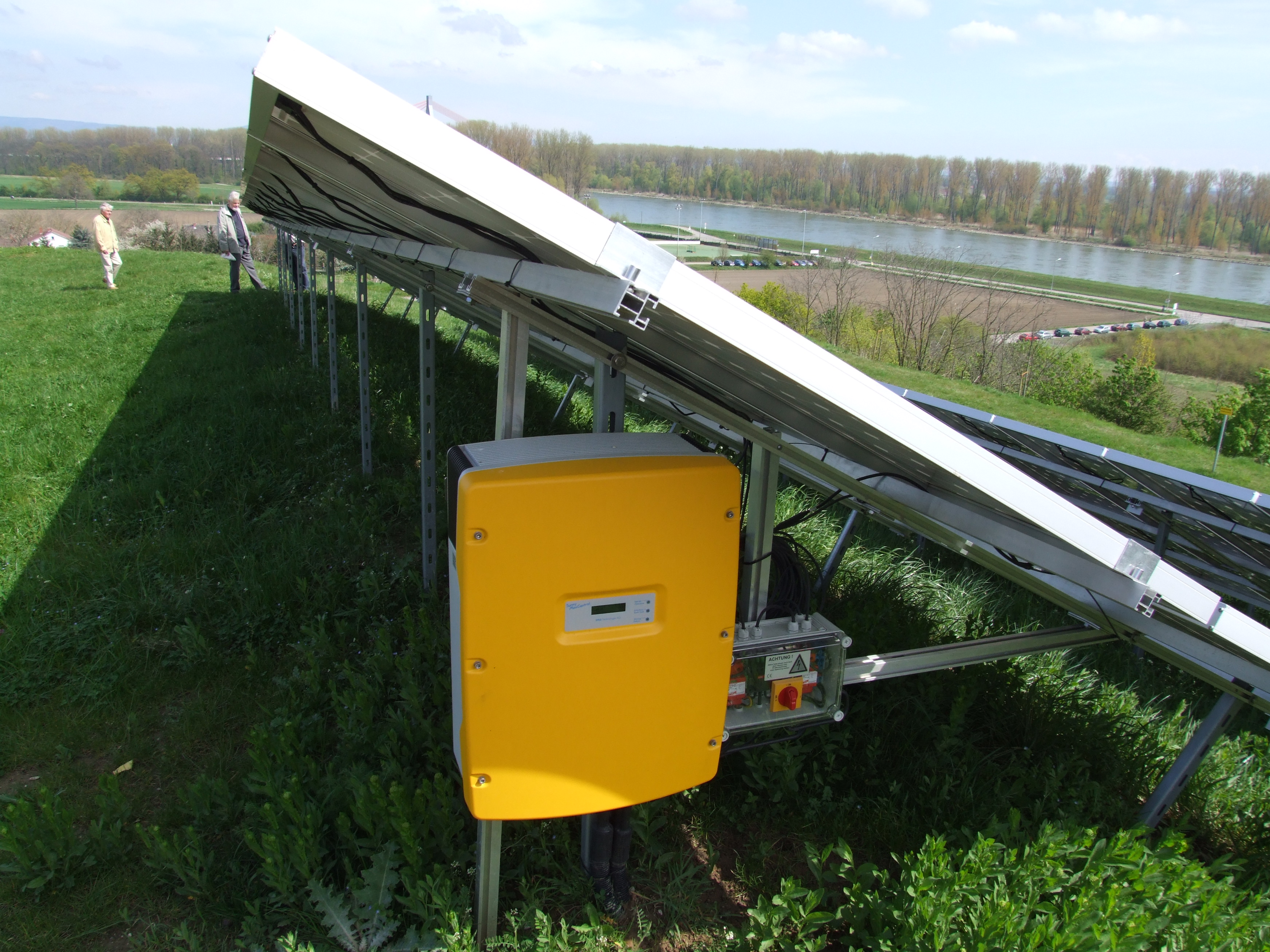
Inverters are essential in numerous practical applications. They are the heart of solar power systems, converting the DC output of solar panels into usable AC electricity for homes and businesses. In UPS systems, they provide backup AC power from batteries during grid outages. Electric vehicles rely on inverters to convert battery DC power into AC power for their electric motors. They are also used in variable-speed drives for industrial motors, improving energy efficiency, and in portable power stations for camping and emergency use. Even your laptop charger contains a small inverter (or more accurately, a DC-DC converter that often incorporates inversion principles) to step down AC power to the specific DC voltage required.
Key Facts
- Year
- Late 19th Century (mechanical), 1957 (semiconductor)
- Origin
- Global (with significant early development in the United States)
- Category
- technology
- Type
- technology
Frequently Asked Questions
What is the main function of an inverter?
The primary function of an inverter is to convert direct current (DC) power into alternating current (AC) power. This is essential because most electrical grids and many household appliances operate on AC power, while sources like batteries, solar panels, and fuel cells produce DC power. Inverters act as the crucial bridge between these two forms of electricity, enabling the use of DC sources in AC systems.
How does an inverter create AC power from DC?
Inverters use electronic switches, such as MOSFETs or IGBTs, to rapidly turn the DC input on and off. This process, often controlled by pulse-width modulation (PWM) signals, creates a series of DC pulses. These pulses are then filtered and shaped to approximate an AC sine wave. The speed and pattern of the switching determine the frequency and waveform of the output AC power.
What are the main types of inverters?
Inverters are broadly categorized by their output waveform: square wave, modified sine wave, and pure sine wave. Pure sine wave inverters produce the cleanest power, most suitable for sensitive electronics. String inverters are common in solar installations, connecting multiple solar panels. Microinverters are attached to individual solar panels for independent operation. Central inverters are used in larger solar farms. Hybrid inverters can manage both grid power and battery storage.
Where are inverters most commonly used?
Inverters are ubiquitous. They are fundamental to solar power systems, electric vehicles, and UPS systems. You'll also find them in variable-speed motor drives for industrial applications, portable power stations, and even in some advanced battery chargers. Essentially, anywhere DC power needs to be converted to AC power for use or grid connection, an inverter is likely involved.
Are all inverters equally efficient?
No, inverter efficiency varies significantly based on design, components, and operating conditions. Modern solar panel inverters often boast efficiencies exceeding 98%, while older or simpler designs might be in the 80-90% range. Factors like temperature, load level, and the quality of the output waveform also impact real-world efficiency. Silicon carbide and gallium nitride technologies are pushing efficiency boundaries further.
What is a 'smart inverter'?
A 'smart inverter' is an advanced inverter equipped with sophisticated digital controls and communication capabilities. These inverters can do more than just convert DC to AC; they can actively interact with the electrical grid. They can help stabilize grid voltage and frequency, manage power flow, and provide grid support services, making them crucial for integrating high levels of renewable energy into the power system.
What's the difference between an inverter and a rectifier?
An inverter and a rectifier perform opposite functions. An inverter converts direct current (DC) to alternating current (AC), which is essential for using DC power sources with AC devices or grids. A rectifier, conversely, converts AC power into DC power, a process used in devices like phone chargers and power supplies for electronics to charge batteries or power components that require DC.