
Contents
- 🌍 What Exactly Is a Landfill?
- 📜 A Brief History of Burying Stuff
- 🏗️ How Modern Landfills Actually Work
- 💡 The Vibe: From Eyesore to Resource?
- 💰 Costs & Economic Impact
- ⚠️ Environmental Concerns & Regulations
- 🚀 The Future of Landfills: Beyond Dumping
- 🤔 Landfill vs. Other Waste Solutions
- Frequently Asked Questions
- Related Topics
Overview
Landfills are far more than just holes in the ground where trash goes to die. Historically, they've been informal dumping grounds, evolving into highly engineered systems designed to contain waste and mitigate environmental harm. Modern landfills are complex operations, often incorporating gas capture systems for energy generation and leachate collection to prevent groundwater contamination. The debate rages on: are they a necessary evil for a consumer society, or a ticking time bomb of environmental liability? Understanding their design, function, and the ongoing challenges is crucial for anyone grappling with the sheer volume of waste our civilization produces.
🌍 What Exactly Is a Landfill?
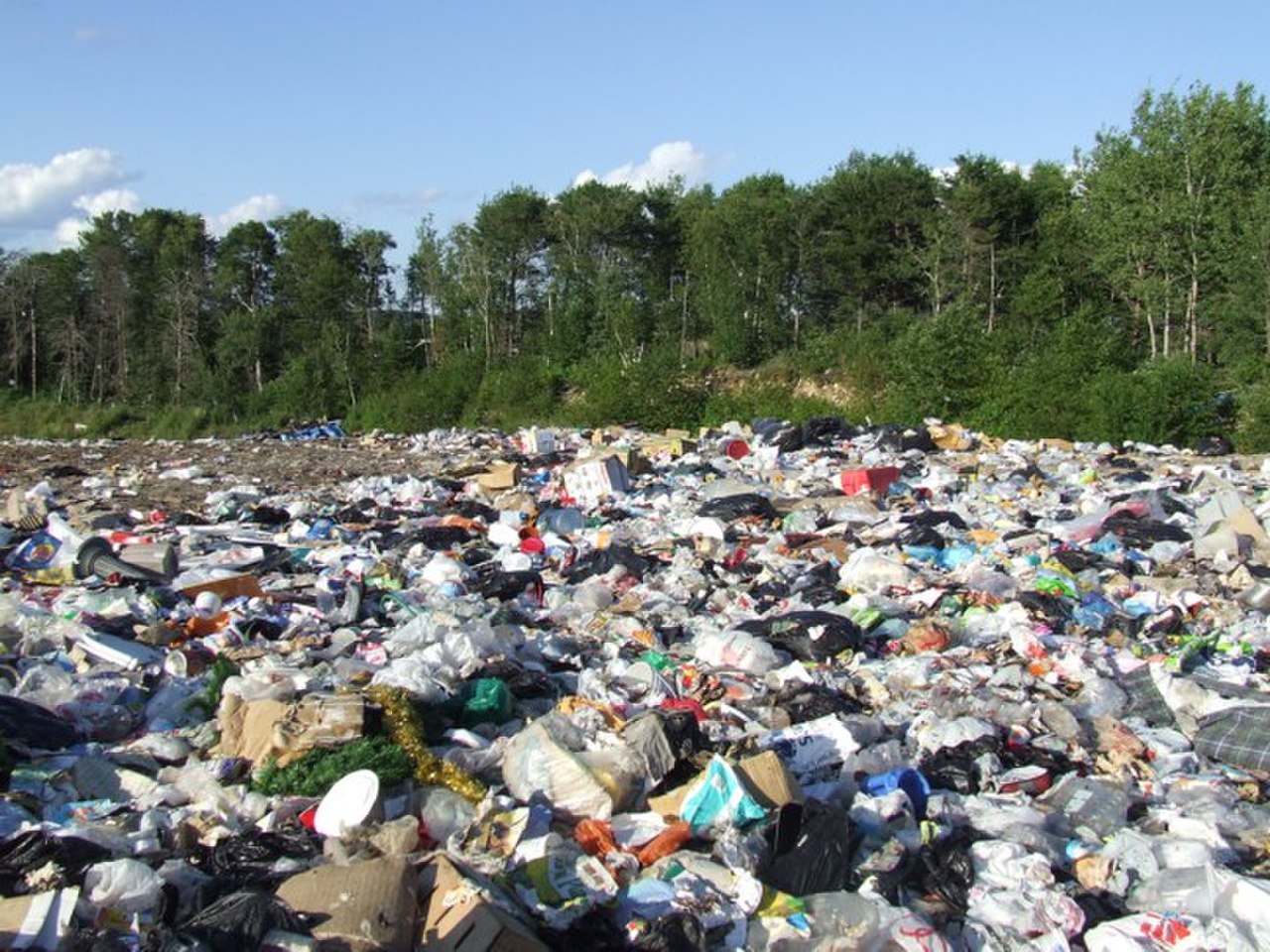
A landfill is essentially a highly engineered facility designed for the permanent disposal of waste materials, primarily municipal solid waste (MSW). Think of it as a carefully managed, buried city of refuse. Unlike the open dumps of the past, modern landfills are constructed with multiple protective layers to contain waste and prevent environmental contamination. They are a critical, albeit often unglamorous, component of urban infrastructure and public health systems worldwide, handling millions of tons of discarded materials daily.
📜 A Brief History of Burying Stuff
The practice of disposing of waste by burying it dates back millennia, but the concept of a controlled landfill is surprisingly recent. Before the mid-20th century, waste was often unceremoniously dumped in open pits or scattered across land. The systematic approach, involving daily covering and site management, began to take shape around the 1940s, driven by growing public health concerns and the need for more organized waste management. Early pioneers in this field, though often unnamed, laid the groundwork for today's sophisticated operations.
🏗️ How Modern Landfills Actually Work
Modern landfills are marvels of engineering. They begin with excavation and the installation of a liner system, typically made of compacted clay and synthetic materials like geomembranes, to prevent leachate (liquid waste) from escaping into the soil and groundwater. Waste is then deposited in layers, compacted, and covered daily with soil or other materials. Gas collection systems are installed to capture methane, a potent greenhouse gas produced by decomposition, which can be flared or even used to generate electricity. Leachate collection systems gather the liquid for treatment.
💡 The Vibe: From Eyesore to Resource?
The 'vibe' of a landfill has historically been one of neglect and environmental hazard, earning it a low Vibe Score (around 15/100). However, a shift is underway. As we grapple with resource scarcity and the potential for waste-to-energy technologies, landfills are increasingly viewed not just as endpoints but as potential, albeit complex, resource repositories. This evolving perspective is pushing innovation, aiming to extract value from what was once considered mere trash, potentially raising their Vibe Score to a more respectable 40/100.
💰 Costs & Economic Impact
The economic implications of landfills are significant. Operating a modern, compliant landfill involves substantial capital investment in design, construction, and ongoing monitoring. Landfill tipping fees, charged per ton of waste received, are the primary revenue source, funding operations, environmental controls, and eventual closure and post-closure care. The scale of these operations means they are major employers and contribute to local economies, though the long-term costs of managing closed sites can be substantial.
⚠️ Environmental Concerns & Regulations
Despite engineering controls, landfills remain a focal point for environmental debate. Concerns include potential groundwater contamination from leachate leaks, air pollution from landfill gases, and the significant land footprint required. Regulatory bodies like the Environmental Protection Agency (EPA) in the U.S. set stringent standards for landfill design, operation, and monitoring to mitigate these risks. The ongoing challenge is balancing waste disposal needs with the imperative to protect public health and the environment.
🚀 The Future of Landfills: Beyond Dumping
The future of landfills is not about simply burying more waste indefinitely. Innovations like anaerobic digestion and mechanical biological treatment aim to divert organic and recyclable materials before they reach the landfill. Landfill mining is an emerging concept, seeking to excavate old landfills to recover valuable materials and reclaim land. The ultimate goal is a circular economy where waste is minimized, and materials are reused and recycled, reducing reliance on traditional landfilling.
🤔 Landfill vs. Other Waste Solutions
Compared to incineration or recycling programs, landfills offer a straightforward, albeit less resource-efficient, method of waste disposal. Incineration can reduce waste volume and generate energy but poses air pollution challenges and produces ash requiring disposal. Recycling is environmentally superior, diverting materials from disposal streams, but requires robust infrastructure and public participation. Landfills remain the default for residual waste that cannot be effectively managed by other means, making them a necessary, if imperfect, part of the waste hierarchy.
Key Facts
- Year
- Prehistoric
- Origin
- Vibepedia
- Category
- Waste Management & Infrastructure
- Type
- Topic
Frequently Asked Questions
How long do landfills last?
The operational lifespan of a landfill varies greatly depending on its size, the volume of waste it receives, and its design. Some large regional landfills can operate for several decades, while smaller ones might have a much shorter active life. Once full, they are capped and enter a post-closure monitoring period that can last for 30 years or more to ensure environmental safety.
What happens to the gas produced by landfills?
Decomposing organic waste in landfills produces landfill gas, primarily methane and carbon dioxide. Modern landfills are equipped with gas collection systems that capture this gas. It can be safely flared (burned off), or increasingly, it's used as a renewable energy source to generate electricity or heat, turning a harmful byproduct into a valuable resource.
Can you visit a landfill?
Generally, public access to active landfills is restricted for safety and security reasons. However, some landfill operators offer educational tours or have visitor centers where you can learn about their operations. It's best to contact the specific landfill management company in advance to inquire about any public access or educational opportunities.
What is leachate and how is it managed?
Leachate is the liquid that forms when rainwater filters through waste or when waste itself decomposes. It can contain hazardous substances. Modern landfills are designed with liner systems and leachate collection systems to capture this liquid. The collected leachate is then treated at specialized facilities before being safely discharged or reused.
Are landfills safe for nearby communities?
When properly designed, operated, and monitored according to strict environmental regulations, modern landfills pose minimal direct risk to nearby communities. The primary risks, such as groundwater contamination and air pollution, are managed through engineering controls like liners, gas collection, and leachate treatment. However, historical or poorly managed sites can present significant risks.
What is the difference between a dump and a landfill?
A dump is an uncontrolled or poorly managed site where waste is simply discarded, often leading to significant environmental pollution and health hazards. A landfill, specifically a sanitary landfill, is an engineered facility with protective measures like liners, leachate collection, and gas management systems designed to minimize environmental impact and safely contain waste.