
Contents
Overview
Lettuce (Lactuca sativa) is a herbaceous annual plant of the daisy family Asteraceae, cultivated for its edible leaves. It is one of the most widely consumed vegetables globally, forming the base of countless salads and adding a refreshing crunch to sandwiches and wraps. Originating in the Mediterranean region, lettuce has a long history of cultivation, with evidence suggesting its use dating back to ancient Egypt. Its nutritional profile, while not exceptionally high in any single vitamin or mineral, offers a good source of vitamin K, vitamin A, and folate, along with dietary fiber. The plant's versatility in culinary applications, coupled with its ease of cultivation and relatively low cost, has cemented its status as a ubiquitous food item. From crisp iceberg to tender butterhead and peppery arugula (though botanically distinct, often grouped culinarily), lettuce varieties offer a spectrum of textures and flavors to suit diverse palates and dishes. Its widespread availability and adaptability make it a cornerstone of healthy eating for many populations worldwide.
🌱 Botanical Classification
Lettuce belongs to the genus Lactuca, within the family Asteraceae, which also includes sunflowers, daisies, and artichokes. It is a diploid species with 18 chromosomes (2n=18). The wild ancestor of cultivated lettuce is believed to be Lactuca serriola, also known as wild or prickly lettuce. This wild relative is characterized by its bitter sap and spiny leaves, traits that have been significantly reduced through selective breeding in cultivated varieties. The scientific name, Lactuca sativa, directly translates to 'milky' (Lactuca) and 'sown' or 'cultivated' (sativa), referring to the milky latex exuded when the stem is cut and its status as a domesticated plant. Understanding its botanical classification helps in appreciating its evolutionary journey and relationship to other plants.
📜 Historical Cultivation
The history of lettuce cultivation is extensive, with evidence pointing to its domestication in ancient Egypt around 2500 BC. Depictions of lettuce have been found in Egyptian tombs, suggesting its importance in their diet and possibly in religious rituals. From Egypt, lettuce cultivation spread to the Greeks and Romans, who valued it for both its culinary and medicinal properties. The Romans, in particular, cultivated various types and even developed specific dishes featuring lettuce. During the Middle Ages, lettuce continued to be grown in Europe, with monasteries playing a significant role in preserving and disseminating agricultural knowledge, including lettuce cultivation techniques. Its journey through different civilizations highlights its enduring appeal and adaptability.
🥗 Varieties and Types
Lettuce encompasses a wide array of cultivars, broadly categorized into several main types based on leaf structure and growth habit. These include crisphead (e.g., iceberg), romaine (cos), butterhead (e.g., bibb, Boston), loose-leaf (e.g., oakleaf, red leaf), and stem lettuce (also known as asparagus lettuce). Each type offers distinct textures, flavors, and culinary applications. Iceberg is known for its crispness and mild flavor, making it popular for sandwiches and wedge salads. Romaine provides a sturdy crunch and slightly bitter taste, ideal for Caesar salads. Butterhead varieties are prized for their tender, buttery leaves and sweet flavor. Loose-leaf types are versatile and can be harvested leaf by leaf, offering a continuous supply. Stem lettuce is grown for its edible stalk rather than its leaves.
💡 Nutritional Value
While not a powerhouse of any single nutrient, lettuce contributes valuable vitamins and minerals to the diet. It is a good source of vitamin K, essential for blood clotting and bone health. It also provides vitamin A in the form of beta-carotene, important for vision and immune function. Folate, a B vitamin crucial for cell growth and DNA formation, is also present. Additionally, lettuce contains smaller amounts of vitamin C, potassium, and manganese. Its high water content also contributes to hydration. The dietary fiber in lettuce aids in digestion and promotes a feeling of fullness, making it a healthy addition to meals.
🍽️ Culinary Uses
Lettuce is a culinary chameleon, primarily used as a raw ingredient in salads, where its crisp texture and mild flavor provide a refreshing base. It is indispensable in sandwiches and wraps, adding a vital crunch and moisture. Beyond its raw applications, some varieties, like romaine, can be lightly grilled or sautéed, imparting a subtle sweetness and smoky char. Lettuce leaves can also be used as edible wrappers for fillings, offering a low-carbohydrate alternative to tortillas or bread. The versatility extends to garnishes, where finely shredded lettuce can add visual appeal and texture to various dishes. Its ability to complement a wide range of ingredients makes it a kitchen staple.
🌍 Global Production
China is by far the world's largest producer of lettuce, accounting for a significant portion of global output. Other major producing countries include the United States, India, Spain, and Italy. The cultivation of lettuce is widespread due to its adaptability to various climates and its relatively short growing season. It is grown both in open fields and in controlled environments like greenhouses and vertical farms, allowing for year-round production in many regions. The global demand for lettuce is driven by its popularity in Western diets, particularly in salads and fast-food preparations. International trade plays a crucial role in supplying lettuce to markets worldwide.
🌿 Growing Lettuce
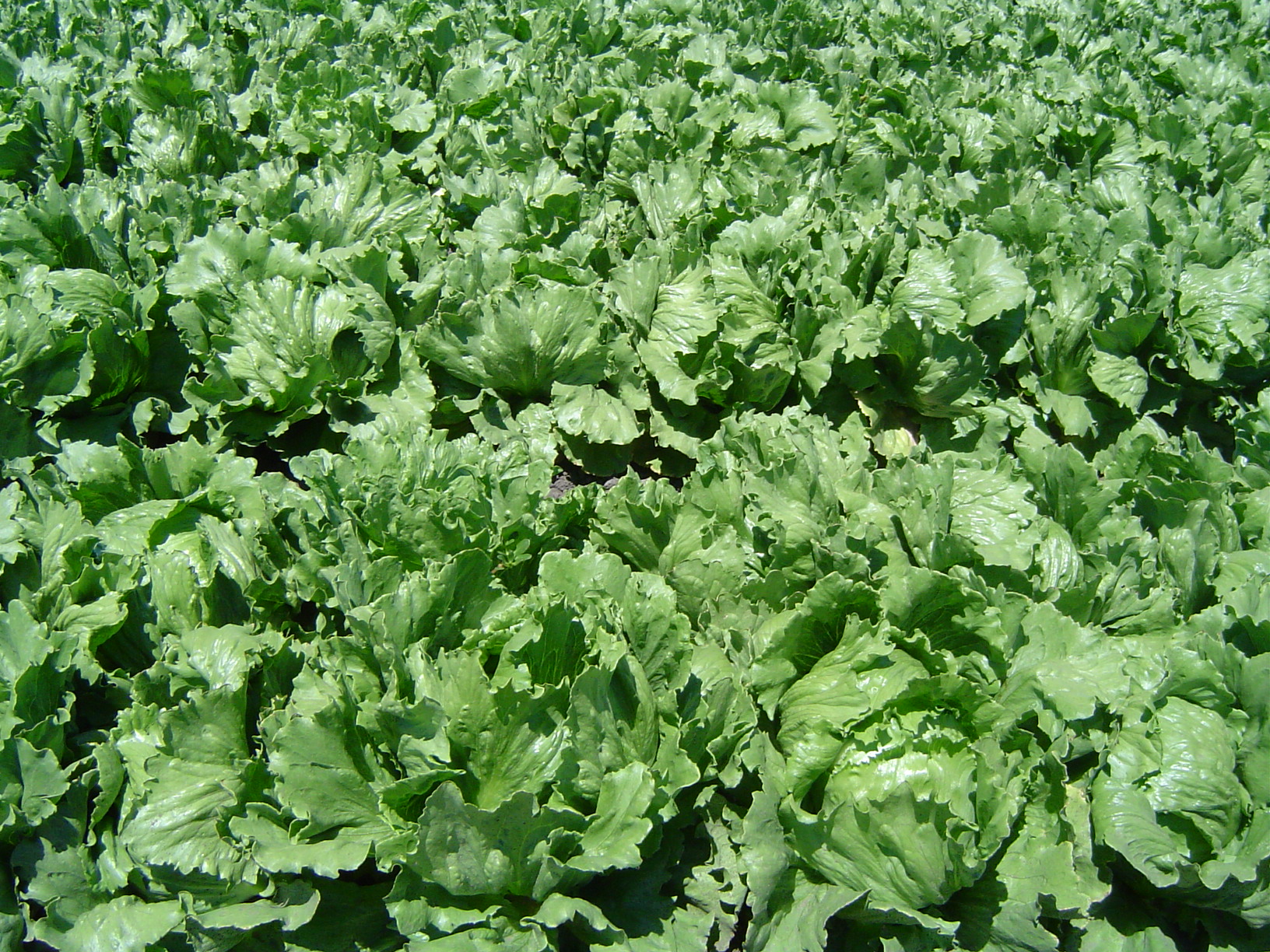
Growing lettuce is relatively straightforward, making it a popular choice for home gardeners. It thrives in cool weather and prefers well-drained soil rich in organic matter. Lettuce can be grown from seed, either directly sown into the ground or started indoors and transplanted. Proper spacing is important to allow for leaf development. Regular watering is essential, especially during dry periods, but overwatering should be avoided to prevent root rot. Pests such as aphids and slugs can be a concern, but companion planting and organic pest control methods can be effective. Harvesting can begin when the leaves reach a desired size, with many loose-leaf varieties allowing for continuous 'cut-and-come-again' harvesting.
🤔 Health Benefits
The health benefits of lettuce are primarily linked to its nutrient content and its role in promoting a balanced diet. The vitamin K content supports bone health and proper blood coagulation. Vitamin A, derived from beta-carotene, is vital for maintaining healthy vision and a robust immune system. Folate is crucial for cell division and DNA synthesis, making it particularly important during pregnancy. The fiber in lettuce aids in digestive health, preventing constipation and promoting a feeling of satiety, which can be beneficial for weight management. Its high water content also contributes to overall hydration. Incorporating lettuce into meals is an easy way to boost vegetable intake and contribute to overall well-being.
Key Facts
- Year
- Ancient domestication
- Origin
- Mediterranean region (specifically ancient Egypt)
- Category
- Botany and Culinary Arts
- Type
- topic
Frequently Asked Questions
What is the most common type of lettuce?
Iceberg lettuce is often considered the most common and widely recognized type of lettuce, especially in Western countries. Its crisp texture and mild flavor make it a staple in many salads and sandwiches. However, other varieties like romaine and loose-leaf are also extremely popular and widely consumed.
Is lettuce good for weight loss?
Yes, lettuce can be beneficial for weight loss. It is very low in calories and carbohydrates, and its high water and fiber content can help you feel full, reducing overall calorie intake. Replacing higher-calorie ingredients with lettuce in meals can contribute to a calorie deficit.
Can lettuce be eaten raw?
Absolutely! Lettuce is most commonly eaten raw, forming the base of salads or adding crunch to sandwiches and wraps. Its raw form preserves its crisp texture and fresh flavor. Some varieties can also be lightly cooked, but raw consumption is its primary culinary role.
What are the main nutritional benefits of lettuce?
Lettuce is a good source of vitamin K, which is important for bone health and blood clotting. It also provides vitamin A (from beta-carotene) for vision and immune function, and folate, a B vitamin essential for cell growth. Its high water content contributes to hydration, and the fiber aids digestion.
How should I store lettuce to keep it fresh?
To keep lettuce fresh, store it unwashed in a plastic bag or container in the refrigerator. You can place a paper towel inside the bag to absorb excess moisture, which helps prevent wilting and spoilage. For cut lettuce, ensure it's in an airtight container.