
Contents
- 🩺 What is a Liver Transplant?
- 🏥 Who Needs a Liver Transplant?
- 🌍 Where Are Transplants Performed?
- ⚖️ Eligibility & The Waiting List
- 🤝 Donor Types: Deceased vs. Living
- 📈 Success Rates & Risks
- 💰 Cost & Insurance Considerations
- 💊 Post-Transplant Care & Lifelong Management
- 🌟 The Future of Liver Transplantation
- Frequently Asked Questions
- Related Topics
Overview
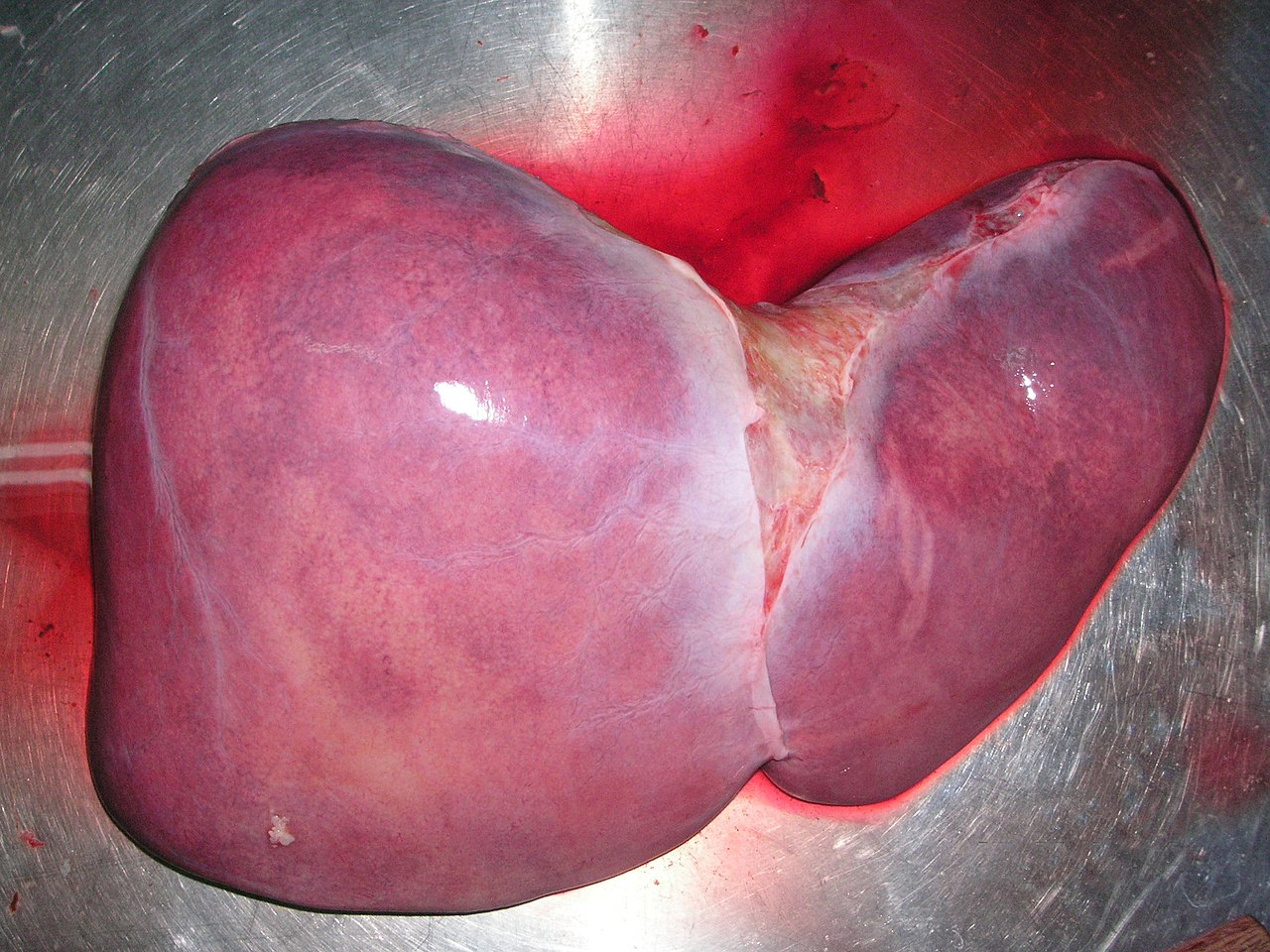
A liver transplant is a life-saving surgical procedure where a diseased or damaged liver is replaced with a healthy one from a donor. This complex operation is typically a last resort for individuals with end-stage liver disease, acute liver failure, or certain metabolic disorders. The process involves rigorous evaluation, a waiting period for a suitable organ, the surgery itself, and a lifelong commitment to immunosuppressant medication to prevent rejection. While offering a profound chance at recovery and extended life, transplants are fraught with challenges, including organ scarcity, surgical risks, and the potential for long-term complications. Understanding the journey, from eligibility to post-operative care, is crucial for patients and their families navigating this critical medical intervention.
🩺 What is a Liver Transplant?
A hepatic transplantation is a complex surgical procedure where a diseased liver is surgically removed and replaced with a healthy liver from a donor. This life-saving intervention is primarily reserved for individuals suffering from ESLD or acute liver failure, conditions where the liver can no longer perform its essential functions. The process is meticulously managed, involving a multidisciplinary team of surgeons, hepatologists, nurses, and social workers to ensure the best possible outcome for the recipient. It's not a cure-all, but a critical intervention when other treatments have failed.
🏥 Who Needs a Liver Transplant?
The primary candidates for a liver transplant are those with irreversible liver damage that significantly impacts their quality of life and survival. This includes conditions like scarring of the liver from hepatitis B or C, alcoholic liver disease, non-alcoholic steatohepatitis (NASH), and certain metabolic disorders. Acute liver failure, often caused by drug overdose (like acetaminophen) or viral infections, can also necessitate an urgent transplant. The severity of the condition is assessed using scoring systems like the Model for End-Stage Liver Disease to prioritize patients.
🌍 Where Are Transplants Performed?
Liver transplants are not performed everywhere; they are exclusively conducted at specialized transplant centers across the globe. These centers are equipped with state-of-the-art surgical facilities and staffed by highly specialized transplant surgeons and medical teams with extensive experience. Major medical hubs in countries like the United States, Germany, and the United Kingdom house some of the most renowned transplant programs. Accessing these centers often requires referral from a local physician and may involve significant travel for the patient and their family.
⚖️ Eligibility & The Waiting List
Eligibility for a liver transplant is rigorously assessed through a comprehensive evaluation process. This screening examines the patient's overall health, the severity of their liver disease, and their ability to adhere to a strict post-transplant regimen. Once deemed eligible, patients are placed on a national or regional waiting list, managed by organizations like the UNOS in the US. The urgency of a patient's condition, determined by their MELD score, dictates their position on the list, with sicker patients prioritized.
🤝 Donor Types: Deceased vs. Living
Donor livers come from two main sources: deceased donors and living donors. Deceased donor transplants utilize organs from individuals who have recently passed away and whose families have consented to organ donation. Living donor transplants involve a portion of a healthy liver being surgically removed from a living donor (often a family member or close friend) and transplanted into the recipient. While deceased donors are more common, living donation offers a valuable alternative, potentially shortening waiting times and allowing for planned surgeries, though it carries risks for the donor.
📈 Success Rates & Risks
Liver transplantation boasts impressive success rates, with many recipients experiencing a significant improvement in their quality of life and survival. According to the OPTN, one-year survival rates for liver transplants are typically above 85%, and five-year survival rates can exceed 70%. However, the procedure is not without risks, including organ rejection, infection, bleeding, and the need for lifelong immunosuppressant medications. Careful donor-recipient matching and meticulous surgical technique are crucial for favorable outcomes.
💰 Cost & Insurance Considerations
The financial aspect of a liver transplant is substantial, with costs often ranging from $300,000 to over $1 million for the surgery and initial hospital stay. Medical insurance coverage varies widely, but most comprehensive plans cover liver transplants when deemed medically necessary. Patients are strongly advised to consult with their insurance providers and the transplant center's financial coordinators well in advance to understand their out-of-pocket expenses, including deductibles, co-pays, and the ongoing costs of medications and follow-up care.
💊 Post-Transplant Care & Lifelong Management
Life after a liver transplant requires lifelong commitment to a strict medical regimen. Recipients must take immunosuppressants daily to prevent their body from rejecting the new organ. Regular follow-up appointments, blood tests, and biopsies are essential to monitor liver function and detect any signs of rejection or complications. Lifestyle adjustments, including diet, exercise, and avoiding alcohol and certain medications, are also critical for long-term graft survival and overall health.
🌟 The Future of Liver Transplantation
The field of liver transplantation is continuously evolving, driven by advancements in surgical techniques, immunosuppression, and organ preservation. Research into transplanting organs from animals and the development of bio-artificial liver support systems hold promise for addressing the persistent organ shortage. Furthermore, strategies to improve organ utilization and reduce post-transplant complications are ongoing, aiming to make this life-saving procedure accessible to even more patients in the future.
Key Facts
- Year
- 1963
- Origin
- The first human liver transplant was performed by Dr. Thomas Starzl in Denver, Colorado, in 1963, though the patient only survived for 22 hours. Significant advancements in surgical techniques and immunosuppression, particularly the introduction of cyclosporine in the early 1980s, dramatically improved outcomes and made liver transplantation a viable treatment option.
- Category
- Medical Procedures
- Type
- Medical Procedure
Frequently Asked Questions
What is the MELD score and why is it important?
The MELD score (Model for End-Stage Liver Disease) is a numerical scale from 6 to 40 used to assess the severity of liver disease. It's calculated using blood test results for bilirubin, creatinine, and INR, along with the presence of hyponatremia. A higher MELD score indicates a more severe condition and a greater need for a liver transplant, influencing a patient's priority on the waiting list.
Can I donate part of my liver to a family member?
Yes, living donation is a common practice for liver transplants. A healthy adult can donate a portion of their liver, as the liver has a remarkable ability to regenerate. The donor undergoes extensive medical and psychological evaluations to ensure their safety. This option can significantly reduce waiting times for the recipient.
What happens if my body rejects the new liver?
Organ rejection is a primary concern after a transplant. It occurs when the recipient's immune system attacks the new organ. This is managed with immunosuppressants, which are taken for life. Regular monitoring through blood tests and sometimes biopsies helps detect rejection early, allowing for prompt treatment to preserve the transplanted liver.
How long do I have to take immunosuppressant drugs?
Immunosuppressant medications are a lifelong necessity for liver transplant recipients. These drugs are crucial for preventing the immune system from attacking and destroying the transplanted organ. Missing doses or stopping these medications can lead to serious complications, including organ rejection.
What are the main risks associated with liver transplant surgery?
The main risks include complications from surgery such as bleeding, infection, and bile duct leaks. Beyond the surgery itself, recipients face the risk of organ rejection, developing infections due to immunosuppression, and long-term side effects from medications, including an increased risk of certain cancers and kidney problems.
How does the organ waiting list work?
The waiting list is managed by organizations like United Network for Organ Sharing in the US. Patients are prioritized based on medical urgency (MELD score), blood type, body size, and time on the waiting list. Geographic proximity to the donor organ also plays a role in allocation to minimize cold ischemic time (the time the organ is without blood supply).