
Contents
Overview
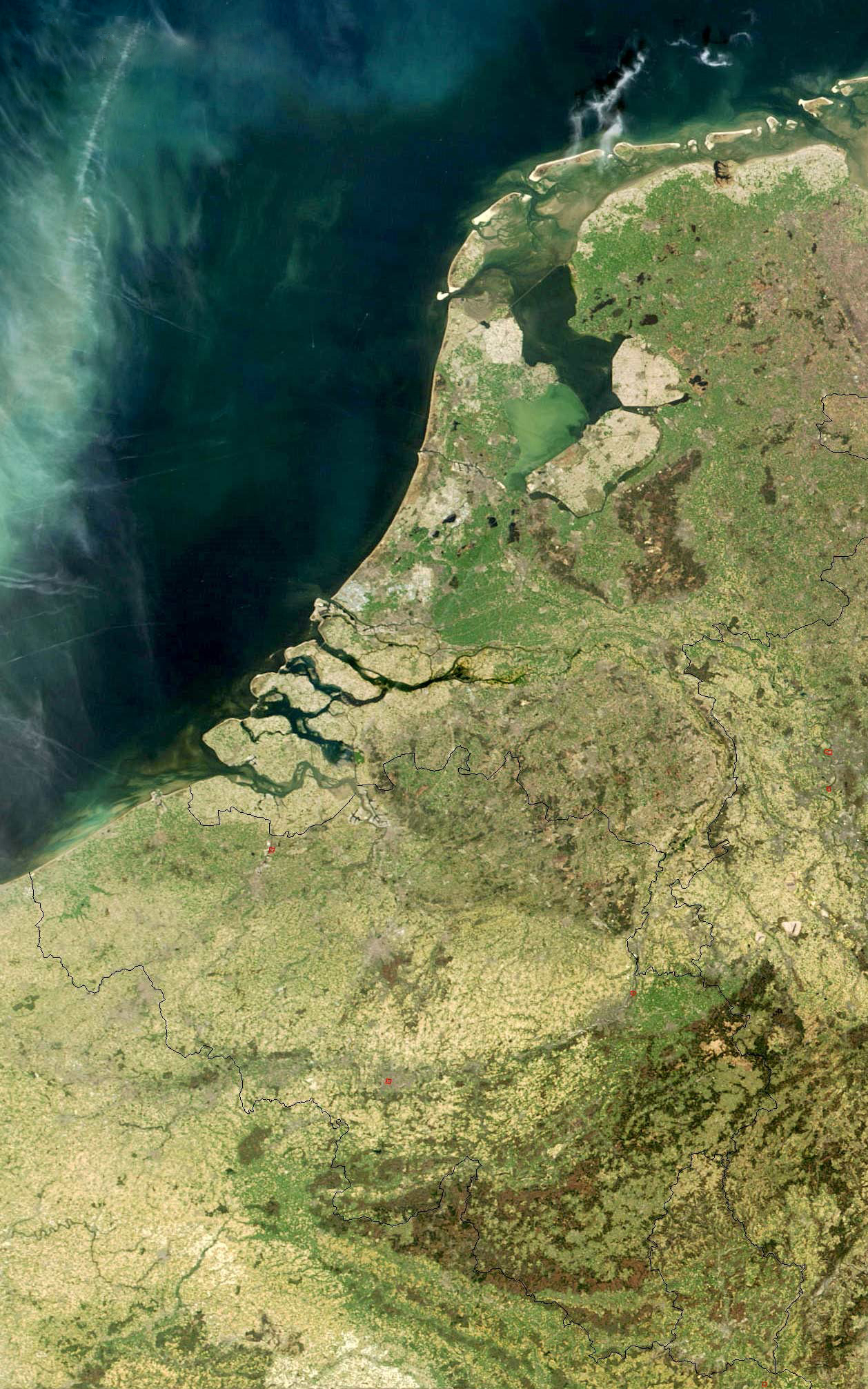
The Low Countries, a coastal lowland region in Northwestern Europe, comprise the modern 'Benelux' countries of Belgium, the Netherlands, and Luxembourg, with parts of France and Germany also sometimes included. This region has been divided into numerous entities since the creation of the Holy Roman Empire, with a complex history of unions and divisions. The Low Countries have a unique cultural and economic identity, shaped by their strategic location at the Rhine–Meuse–Scheldt delta. With a history dating back to the Middle Ages, the region has been influenced by various empires and dynasties. Today, the region is a significant economic and cultural hub, with major cities like Amsterdam and Brussels playing important roles in European affairs. The Dutch Reformed Church played a significant role in the region's history.
🌍 Origins & History
The Low Countries have a rich and complex history, with various empires and dynasties vying for control over the region. The region's strategic location at the Rhine–Meuse–Scheldt delta made it an important hub for trade and commerce, with cities like Antwerp and Rotterdam emerging as major commercial centers. The Dutch Reformed Church played a significant role in the region's history.
⚙️ Geographical Characteristics
Geographically, the Low Countries are characterized by their low-lying coastal plains, with the Rhine, Meuse, and Scheldt rivers flowing through the region. The area is also home to a number of islands, including Texel and Terschelling, which are popular tourist destinations. The region's unique geography has also made it prone to flooding, with the North Sea posing a significant threat to the coastal areas.
📊 Economic Significance
The Low Countries have a significant economic presence in Europe, with the Port of Rotterdam being one of the busiest ports in the world. The region is home to a number of major industries, including agriculture, manufacturing, and logistics. The region has a highly developed infrastructure, with a comprehensive network of roads, railways, and waterways.
👥 Cultural Identity
The Low Countries have a unique cultural identity, shaped by their history, geography, and cultural heritage. The region is home to a number of world-renowned museums, including the Rijksmuseum. The Low Countries are also famous for their cuisine, with popular dishes like stamppot and hutspot. The region has a rich tradition of folk music and dance, with the klompen being a popular symbol of Dutch culture. The Low Countries have a vibrant cultural scene, with numerous festivals and events taking place throughout the year, including the Groningen Festival and the Utrecht Festival.
🌍 Regional Divisions
The Low Countries are divided into several regions, each with its own unique character and identity. The region is home to a number of major cities, including Amsterdam, Brussels, and Luxembourg City. The Low Countries have a highly developed system of government, with a federal system in place in Belgium and a unitary system in the Netherlands.
⚡ Current State & Latest Developments
Today, the Low Countries continue to play an important role in European affairs, with the region being a significant economic and cultural hub. The University of Amsterdam and the University of Leuven are world-renowned universities. The Netherlands Organization for Scientific Research is a major research institution. The Low Countries have a strong focus on innovation and research.
🤔 Controversies & Debates
The Low Countries have been the subject of a number of controversies and debates over the years. The European migrant crisis affected the Low Countries. The Low Countries have a strong tradition of social and environmental activism, with the World Wildlife Fund being a major organization in the region.
🔮 Future Outlook & Predictions
Looking to the future, the Low Countries are likely to continue playing an important role in European affairs, with the region being a significant economic and cultural hub. The Netherlands Organization for Scientific Research is a major research institution. The Low Countries have a strong focus on innovation and research.
💡 Practical Applications
The Low Countries have a number of practical applications, including their role as a major center for trade and commerce. The region is home to a number of major research institutions, including the Netherlands Organization for Scientific Research. The University of Amsterdam and the University of Leuven are world-renowned universities.
Key Facts
- Category
- history
- Type
- topic