
Contents
Overview
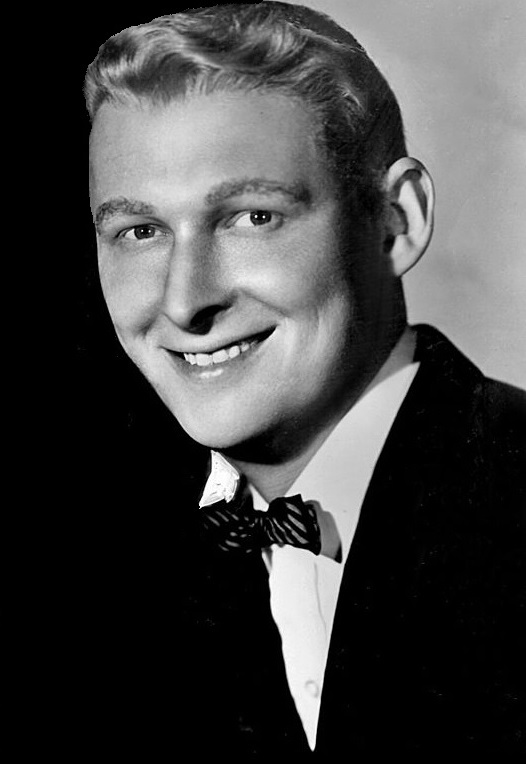
Mike Nichols (born Igor Mikhail Peschkowsky, November 6, 1931 – November 19, 2014) was a towering figure in 20th and 21st-century American entertainment, a director and comedian whose career spanned decades and mediums. He achieved the rare feat of winning all four major American entertainment awards: an Emmy, Grammy, Oscar, and Tony (EGOT). Nichols began his ascent in the vibrant Chicago improv scene of the 1950s with The Compass Players, later forming the legendary comedy duo Nichols and May with Elaine May. His transition to directing theatre and film yielded masterpieces that captured the zeitgeist, earning him multiple Academy Award nominations for his films, with wins. His directorial prowess was not confined to the screen; he also garnered multiple Tony Awards for his stage productions, cementing his legacy as a versatile and influential artist.
🎵 Origins & History
Born Igor Mikhail Peschkowsky in Berlin, Germany, on November 6, 1931, Mike Nichols emigrated to the United States with his family in 1939 to escape Nazi persecution. His early life was marked by displacement and adaptation, experiences that arguably fueled his keen observational skills and understanding of human behavior. He studied at the University of Chicago, where he honed his intellectual and artistic sensibilities. The crucible of post-war Chicago's burgeoning comedy scene proved fertile ground, leading him to join The Compass Players in 1957, a seminal improvisational theater troupe. This experience was foundational, shaping his approach to character, dialogue, and spontaneous creation, setting the stage for his future collaborations and directorial triumphs.
⚙️ How It Works
Nichols' directorial method was characterized by an intense focus on performance and character psychology, often described as a collaborative excavation of truth within the script. He possessed an uncanny ability to draw out nuanced and often raw performances from his actors, pushing them beyond their comfort zones. Whether in the sharp, witty dialogue of his comedies or the profound emotional depths of his dramas, Nichols sought authenticity. His process involved extensive rehearsals, encouraging actors to improvise and explore their characters' motivations deeply, ensuring that even scripted lines felt organic and spontaneous. This meticulous yet flexible approach allowed him to adapt classic texts and contemporary screenplays into resonant cinematic and theatrical experiences.
📊 Key Facts & Numbers
Mike Nichols' career was a statistical marvel. His films garnered a staggering number of Academy Award nominations, resulting in wins, including a Best Director Oscar for The Graduate in 1967. He is one of only 28 individuals to achieve the EGOT (Emmy, Grammy, Oscar, Tony), collecting multiple Emmy Awards, 1 Grammy Award for Best Comedy Album with Nichols and May, 1 Oscar, and 8 Tony Awards. His stage productions alone earned him 8 Tony Awards, solidifying his dominance in theatre. Beyond these major accolades, he received multiple BAFTA Awards, the Kennedy Center Honors in 2003, and the AFI Life Achievement Award in 2010. His directorial debut film, Who's Afraid of Virginia Woolf?, received a record number of Oscar nominations at the time for a single film.
👥 Key People & Organizations
Nichols' professional life was defined by key collaborations and the institutions he shaped. His partnership with Elaine May in the comedy duo Nichols and May was a groundbreaking force in American comedy, influencing generations of performers. In theatre, his long-standing association with producers Gregory Mosher and Joshua S. Schwartz at the Goodman Theatre and later the Lincoln Center Theater yielded numerous acclaimed productions. On film, he frequently worked with esteemed actors like Dustin Hoffman, Meryl Streep, and Jack Nicholson, and collaborated with screenwriters such as Cal T. Wilbur Garrison and Elaine May on projects like The Birdcage. His final marriage was to broadcast journalist Diane Sawyer, a prominent figure in media.
🌍 Cultural Impact & Influence
Nichols' influence on American culture is profound and multifaceted. His ability to translate complex psychological dramas and sharp social satires from stage to screen, and vice-versa, set a benchmark for artistic versatility. He brought a sophisticated, often biting, wit to his work, tackling themes of identity, class, and relationships with a rare blend of humor and gravitas. His success across comedy, drama, film, and theatre demonstrated a singular command of narrative and performance, making him a benchmark for directorial excellence and a significant cultural commentator.
⚡ Current State & Latest Developments
While Mike Nichols passed away on November 19, 2014, his directorial legacy continues to resonate. His films remain staples of film studies and are frequently screened, introducing his work to new audiences. The theatrical productions he helmed continue to be revived, and his influence can be seen in the work of contemporary directors who prioritize character-driven narratives and nuanced performances. The ongoing discussions around his films, particularly The Graduate and Working Girl, highlight their enduring relevance in understanding American social dynamics and workplace culture. His contributions to improv comedy through Nichols and May are still celebrated in the Second City and other improv institutions.
🤔 Controversies & Debates
Nichols' career, while largely celebrated, was not without its critical discussions. Some critics have pointed to a perceived shift in his later film work, with a few productions like What Planet Are You From? (2000) receiving less critical acclaim than his earlier masterpieces. Debates sometimes arise regarding the commercial pressures that may have influenced certain project choices later in his career, though his consistent critical success in theatre often countered these points. Furthermore, as with many directors of his era, discussions around the representation of gender and social dynamics in his films, particularly Carnal Knowledge, continue to be analyzed through a modern lens, offering new perspectives on his artistic choices.
🔮 Future Outlook & Predictions
The enduring power of Mike Nichols' oeuvre suggests his work will continue to be studied and appreciated. Future generations of filmmakers and theatre directors will undoubtedly draw inspiration from his masterful command of performance and narrative. His films, such as Charlie Wilson's War, demonstrate a continued ability to engage with complex political and social issues. The revival of his stage productions at institutions like Broadway and Lincoln Center Theater will ensure his theatrical legacy remains vibrant. Experts anticipate that his unique blend of intellectual rigor and emotional insight will continue to inform and challenge artists for decades to come.
💡 Practical Applications
Nichols' directorial insights have direct applications in various fields beyond entertainment. His techniques for eliciting authentic performances and fostering collaboration are studied in acting conservatories and by communication professionals. The principles of improv comedy he mastered with Nichols and May are now widely applied in business for team-building, problem-solving, and enhancing creativity. His films, particularly those exploring workplace dynamics like Working Girl, offer case studies in corporate culture, ambition, and social mobility that remain relevant for business students and professionals. Furthermore, his ability to dissect societal trends through narrative provides valuable lessons for sociologists and cultural critics.
Key Facts
- Category
- culture
- Type
- person