
Contents
- 🌎 Introduction to Non Renewable Energy Sources
- 💡 History of Fossil Fuel Development
- 🔍 The Science Behind Fossil Fuel Formation
- 🚀 Extraction and Production of Fossil Fuels
- 📊 Economic Impact of Fossil Fuel Consumption
- 🌪️ Environmental Concerns and Climate Change
- 💔 Health Impacts of Fossil Fuel Emissions
- 🔋 Alternatives to Fossil Fuels: Renewable Energy Sources
- 🌟 Energy Storage and Grid Management
- 👥 Global Cooperation and Policy Initiatives
- 📈 Future Outlook and Emerging Trends
- 🚨 Conclusion: The Fossil Fuel Conundrum
- Frequently Asked Questions
- Related Topics
Overview
Non renewable energy sources, including coal, oil, and natural gas, have been the backbone of global energy production for centuries, with a combined share of over 80% of the world's energy mix, according to the International Energy Agency (IEA). However, with the world's proven oil reserves expected to last only 47 years, and natural gas reserves expected to last 52 years, at current consumption rates, the pressure to transition to renewable energy sources is mounting. The controversy surrounding non renewable energy sources is multifaceted, with proponents arguing that they are necessary for economic growth and development, while opponents highlight the devastating environmental impacts, including climate change, air pollution, and water contamination. The Vibe score for non renewable energy sources is 4, reflecting the intense debate and criticism surrounding their use. Notable entities in this space include ExxonMobil, Shell, and BP, which have been at the forefront of the fossil fuel industry. As the world grapples with the challenges of climate change, the future of non renewable energy sources remains uncertain, with some predicting a gradual decline in their use, while others foresee a more rapid transition to renewable energy sources.
🌎 Introduction to Non Renewable Energy Sources
Non renewable energy sources, primarily consisting of fossil fuels, have been the dominant source of energy globally for centuries. The use of coal, oil, and natural gas has been instrumental in driving economic growth and development. However, the extraction, production, and consumption of these energy sources have significant environmental and health implications. As the world grapples with the challenges of climate change and sustainability, the need to transition to renewable energy sources has become increasingly urgent. The International Energy Agency (IEA) has emphasized the importance of diversifying the global energy mix to mitigate the risks associated with fossil fuel dependence.
💡 History of Fossil Fuel Development
The history of fossil fuel development dates back to the Industrial Revolution, when the use of coal and oil became widespread. The discovery of natural gas in the late 19th century further expanded the range of fossil fuel options. The development of internal combustion engine technology and the construction of pipeline infrastructure facilitated the large-scale extraction and transportation of fossil fuels. As the global economy grew, so did the demand for energy, leading to the establishment of oil and gas companies such as ExxonMobil and Royal Dutch Shell. The energy crisis of the 1970s highlighted the need for energy security and diversification of energy sources.
🔍 The Science Behind Fossil Fuel Formation
The formation of fossil fuels is a complex process that involves the geological transformation of organic matter over millions of years. The carbon cycle plays a critical role in the formation of coal, oil, and natural gas. The geological process of plate tectonics and sedimentation creates the conditions for the formation of fossil fuel deposits. Understanding the science behind fossil fuel formation is essential for exploration and production activities. The United States Geological Survey (USGS) provides valuable information on the geology of fossil fuel deposits and the resource potential of different regions.
🚀 Extraction and Production of Fossil Fuels
The extraction and production of fossil fuels involve a range of activities, from exploration and drilling to refining and transportation. The oil and gas industry uses various techniques, including horizontal drilling and hydraulic fracturing, to extract fossil fuels from the ground. The environmental impact of these activities is a major concern, with issues such as water pollution and land degradation affecting local ecosystems. The Environmental Protection Agency (EPA) regulates the environmental aspects of fossil fuel extraction and production in the United States.
📊 Economic Impact of Fossil Fuel Consumption
The economic impact of fossil fuel consumption is significant, with the energy sector contributing substantially to gross domestic product (GDP) and employment in many countries. The price volatility of fossil fuels can have far-reaching effects on the economy, influencing inflation and economic growth. The World Bank and the International Monetary Fund (IMF) provide guidance on energy pricing and energy subsidy reform. The fossil fuel subsidy regime is a contentious issue, with many countries struggling to balance the need for energy access with the need to reduce greenhouse gas emissions.
🌪️ Environmental Concerns and Climate Change
The environmental concerns associated with fossil fuel consumption are numerous, with climate change being the most pressing issue. The greenhouse gas emission from fossil fuel combustion is a major contributor to global warming, with carbon dioxide (CO2) being the most prevalent greenhouse gas. The Paris Agreement aims to limit global warming to well below 2°C and pursue efforts to limit it to 1.5°C above pre-industrial levels. The United Nations Framework Convention on Climate Change (UNFCCC) provides a framework for international cooperation on climate change mitigation and adaptation.
💔 Health Impacts of Fossil Fuel Emissions
The health impacts of fossil fuel emissions are significant, with air pollution being a major concern. The World Health Organization (WHO) estimates that air pollution causes millions of premature deaths worldwide each year. The fossil fuel emission of particulate matter (PM), nitrogen oxides (NOx), and volatile organic compounds (VOCs) can cause a range of health problems, including respiratory disease and cardiovascular disease. The Clean Air Act in the United States regulates air pollution from fossil fuel combustion.
🔋 Alternatives to Fossil Fuels: Renewable Energy Sources
The transition to renewable energy sources is essential for mitigating the environmental and health impacts of fossil fuel consumption. Solar energy and wind energy are becoming increasingly cost-competitive with fossil fuels, driving growth in the renewable energy market. The energy storage sector is also evolving, with battery technology improving rapidly. The electric vehicle (EV) market is expanding, with many countries investing in electric vehicle charging infrastructure. The International Renewable Energy Agency (IRENA) provides guidance on the transition to a renewable energy-based economy.
🌟 Energy Storage and Grid Management
The management of energy storage and grid management is critical for the integration of renewable energy sources into the energy mix. The smart grid concept involves the use of advanced technology to manage energy distribution and consumption. The energy efficiency of buildings and industries can be improved through the use of energy-efficient appliances and building insulation. The demand response mechanism allows utilities to manage energy demand during peak periods, reducing the strain on the grid. The National Renewable Energy Laboratory (NREL) provides research and development support for the advancement of renewable energy technologies.
👥 Global Cooperation and Policy Initiatives
Global cooperation and policy initiatives are essential for addressing the challenges associated with fossil fuel consumption. The United Nations (UN) provides a platform for international cooperation on sustainable development and climate change. The G20 and the G7 forums bring together major economies to discuss energy and climate issues. The EU energy policy aims to promote energy security, sustainability, and competition in the energy market. The Asia-Pacific Economic Cooperation (APEC) forum promotes economic cooperation and energy cooperation in the Asia-Pacific region.
📈 Future Outlook and Emerging Trends
The future outlook for fossil fuel consumption is uncertain, with many countries committing to renewable energy targets and greenhouse gas emission reduction goals. The electric vehicle market is expected to continue growing, driven by government policies and declining battery costs. The renewable energy market is also expected to expand, with solar energy and wind energy becoming increasingly cost-competitive with fossil fuels. The energy storage sector is likely to play a critical role in the transition to a renewable energy-based economy. The International Energy Agency (IEA) provides scenarios for the future of energy, including the sustainable development scenario and the stated policies scenario.
🚨 Conclusion: The Fossil Fuel Conundrum
The fossil fuel conundrum is a complex issue, with no easy solutions. The transition to renewable energy sources requires a fundamental transformation of the energy system, involving technological innovation, policy reform, and behavioral change. The international cooperation and global governance of energy and climate issues are critical for addressing the challenges associated with fossil fuel consumption. The United Nations (UN) and other international organizations play a vital role in promoting sustainable development and climate action. As the world moves forward, it is essential to prioritize energy access, energy security, and sustainability in the energy sector.
Key Facts
- Year
- 2022
- Origin
- Fossil Fuels
- Category
- Energy
- Type
- Energy Source
Frequently Asked Questions
What are the main types of fossil fuels?
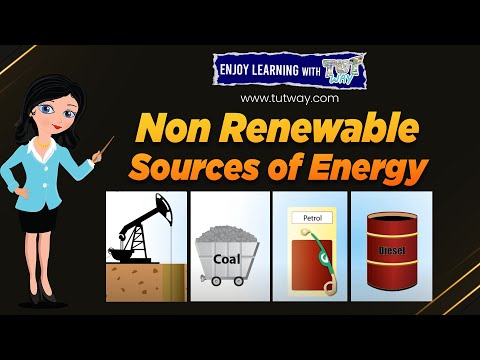
The main types of fossil fuels are coal, oil, and natural gas. These energy sources are formed from the remains of ancient plants and animals and are non-renewable, meaning they will eventually run out. The extraction, production, and consumption of fossil fuels have significant environmental and health impacts, including climate change and air pollution.
What are the environmental impacts of fossil fuel consumption?
The environmental impacts of fossil fuel consumption are numerous, including climate change, air pollution, and water pollution. The greenhouse gas emission from fossil fuel combustion is a major contributor to global warming, with carbon dioxide (CO2) being the most prevalent greenhouse gas. The United Nations Framework Convention on Climate Change (UNFCCC) provides a framework for international cooperation on climate change mitigation and adaptation.
What are the health impacts of fossil fuel emissions?
The health impacts of fossil fuel emissions are significant, with air pollution being a major concern. The World Health Organization (WHO) estimates that air pollution causes millions of premature deaths worldwide each year. The fossil fuel emission of particulate matter (PM), nitrogen oxides (NOx), and volatile organic compounds (VOCs) can cause a range of health problems, including respiratory disease and cardiovascular disease.
What are the alternatives to fossil fuels?
The alternatives to fossil fuels include renewable energy sources such as solar energy, wind energy, and hydro energy. These energy sources are sustainable, renewable, and have significantly lower environmental impacts than fossil fuels. The electric vehicle (EV) market is also expanding, driven by government policies and declining battery costs. The energy storage sector is critical for the integration of renewable energy sources into the energy mix.
What is the future outlook for fossil fuel consumption?
The future outlook for fossil fuel consumption is uncertain, with many countries committing to renewable energy targets and greenhouse gas emission reduction goals. The electric vehicle market is expected to continue growing, driven by government policies and declining battery costs. The renewable energy market is also expected to expand, with solar energy and wind energy becoming increasingly cost-competitive with fossil fuels.
What is the role of international cooperation in addressing the challenges associated with fossil fuel consumption?
International cooperation is essential for addressing the challenges associated with fossil fuel consumption. The United Nations (UN) provides a platform for international cooperation on sustainable development and climate change. The G20 and the G7 forums bring together major economies to discuss energy and climate issues. The EU energy policy aims to promote energy security, sustainability, and competition in the energy market.
What are the key policies and initiatives for promoting renewable energy and reducing greenhouse gas emissions?
The key policies and initiatives for promoting renewable energy and reducing greenhouse gas emissions include the Paris Agreement, the United Nations Framework Convention on Climate Change (UNFCCC), and the EU energy policy. The renewable energy targets and greenhouse gas emission reduction goals set by countries and international organizations are critical for driving the transition to a renewable energy-based economy.