
Contents
Overview
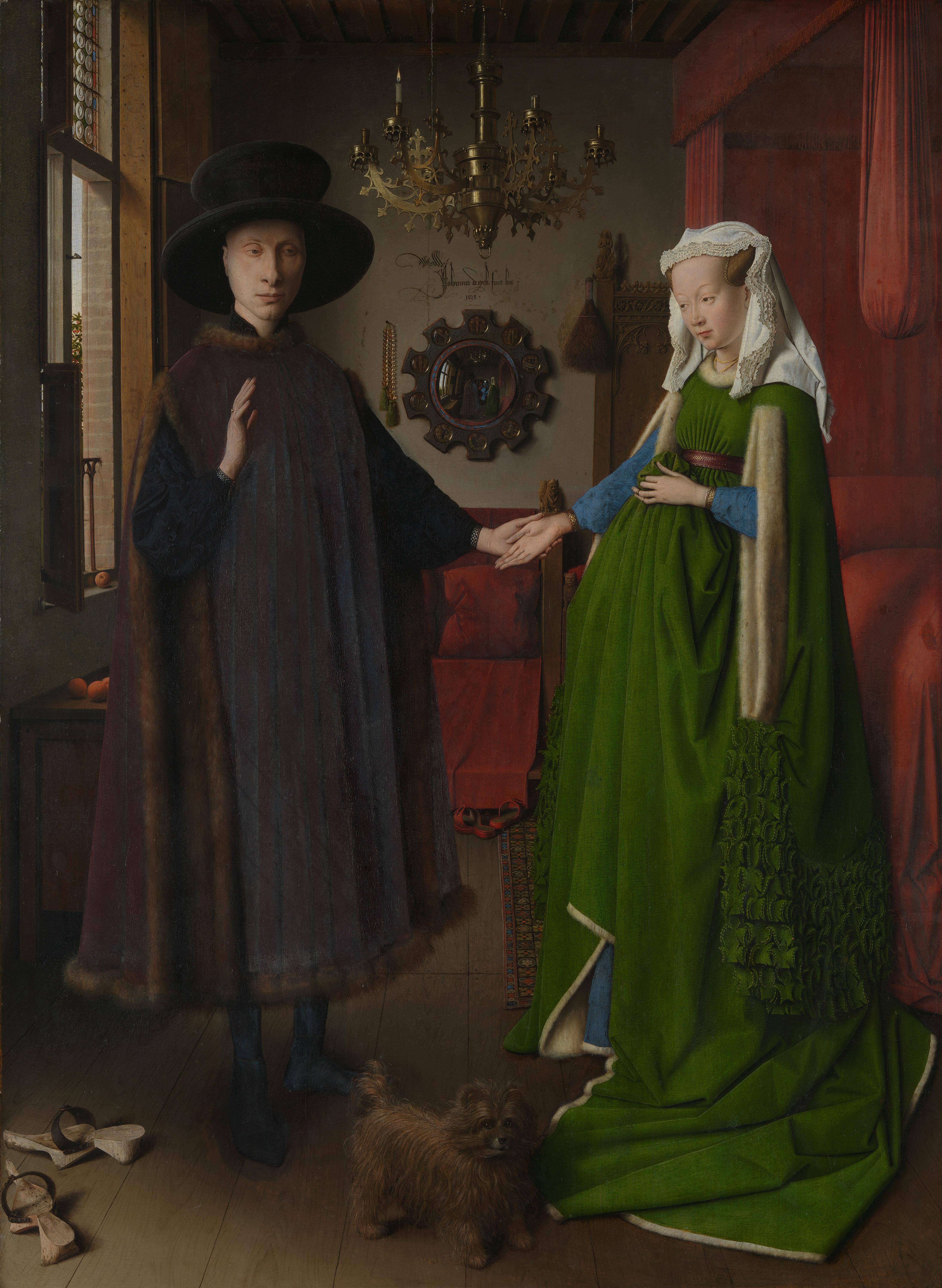
The Northern Renaissance, a cultural phenomenon distinct from its Italian predecessor, began to coalesce in the final decades of the 15th century, gaining significant momentum in the early 16th century. While Italy experienced its rebirth from the 14th century, the regions north of the Alps, including the Holy Roman Empire, the Low Countries, France, and England, developed their own Renaissance expressions. This divergence was partly due to the persistent strength of Gothic artistic traditions and a different socio-economic landscape. Early Netherlandish painting, exemplified by masters like Jan van Eyck and Rogier van der Weyden, laid crucial groundwork with its meticulous detail and oil painting techniques, predating some Italian developments. The influx of Italian ideas, often facilitated by wealthy merchants and royal patronage, such as King Francis I's importation of Italian artists like Leonardo da Vinci, gradually blended with local sensibilities, creating a unique synthesis. The invention of the printing press by Johannes Gutenberg in Mainz was a pivotal, albeit earlier, catalyst that would profoundly accelerate the dissemination of both classical texts and new humanist thought across Northern Europe, setting the stage for the intellectual ferment to come.
⚙️ How It Works
The 'mechanics' of the Northern Renaissance were driven by a confluence of factors that differed significantly from Italy's classical revival. While Italian humanism often focused on the rediscovery and emulation of ancient Roman and Greek texts and art, the Northern Renaissance retained a strong connection to Christian piety and scholastic traditions, even as it embraced humanist ideals. The development and widespread adoption of oil painting techniques allowed for unprecedented detail and luminosity in works by artists like Jan van Eyck, capturing the material world with astonishing verisimilitude. The printing press revolutionized the spread of knowledge, making classical texts, biblical translations, and new scholarly works accessible to a much wider audience, fostering intellectual debate and challenging established doctrines. This era also saw the rise of sophisticated printmaking, particularly woodcuts and engravings, pioneered by artists like Albrecht Dürer, which democratized art and allowed for the mass reproduction of images and ideas, directly impacting religious reform movements and scientific illustration.
📊 Key Facts & Numbers
The Northern Renaissance was a period of immense quantitative growth and qualitative change. Cities like Antwerp, by the mid-16th century, handled an estimated 40% of the world's trade in goods, fostering a wealthy merchant class that became significant patrons of the arts, rivaling the aristocracy. The works of Albrecht Dürer alone are estimated to have sold tens of thousands of prints during his lifetime, demonstrating the vast reach of artistic production. In scholarship, Erasmus's critical edition of the Greek New Testament, published in 1516, sold over 3,000 copies in its first printing, a substantial number for scholarly works at the time. The impact of the Protestant Reformation, which began in 1517 with Martin Luther's Ninety-five Theses, was deeply intertwined with the intellectual currents of the Northern Renaissance, leading to widespread religious and social upheaval across millions of people.
👥 Key People & Organizations
Key figures and institutions were instrumental in shaping the Northern Renaissance. Jan van Eyck, active in the first half of the 15th century, revolutionized oil painting with his meticulous detail and luminous glazes, influencing generations of artists in the Low Countries and beyond. Albrecht Dürer, a towering figure from Nuremberg, masterfully combined Northern detail with Italian Renaissance principles, excelling as a painter, printmaker, and theorist, and his travels to Italy were pivotal. Erasmus, the "Prince of Humanists," championed classical learning and critical scholarship, advocating for a return to early Christian sources and profoundly influencing theological and educational reform. In England, Thomas More, author of Utopia, embodied humanist ideals and political engagement. The University of Wittenberg became a major center for Lutheran theology and humanist scholarship, attracting intellectuals from across Europe. Royal courts, such as that of King Francis I of France, actively patronized artists and scholars, importing Italian talent and commissioning works that blended styles, while figures like Henry VIII of England also engaged with Renaissance humanism, albeit with complex political and religious consequences.
🌍 Cultural Impact & Influence
The cultural impact of the Northern Renaissance was profound and far-reaching, extending well beyond the visual arts. Its emphasis on detailed observation and empirical study laid groundwork for the Scientific Revolution. The widespread dissemination of knowledge via the printing press fueled literacy and critical thinking, directly contributing to the Protestant Reformation and subsequent religious wars that reshaped the political and social map of Europe. Artists like Jan van Eyck and Albrecht Dürer elevated the status of the artist and developed techniques that became standard across the continent. Humanist scholarship, championed by figures like Erasmus, fostered a renewed interest in classical languages and philosophy, influencing education and intellectual discourse for centuries. The literary output of the period, including works by Thomas More and William Shakespeare (whose early career falls within the late Northern Renaissance period), expanded the possibilities of vernacular languages and dramatic expression, leaving an indelible mark on world literature.
⚡ Current State & Latest Developments
As of 2024, the legacy of the Northern Renaissance continues to be explored and re-evaluated through ongoing academic research and museum exhibitions. Major institutions like the Rijksmuseum in Amsterdam and the National Gallery, London regularly feature works from this period, drawing significant visitor numbers and sparking renewed public interest. Digital humanities projects are increasingly making rare manuscripts and prints accessible online, allowing for new forms of scholarly analysis and broader public engagement with texts from figures like Erasmus. Contemporary artists and designers continue to draw inspiration from the meticulous detail and thematic depth of Northern Renaissance masters, integrating elements into modern aesthetics. Furthermore, the ongoing debates surrounding the Protestant Reformation and its long-term societal impacts, a movement deeply intertwined with the Northern Renaissance's intellectual climate, remain a vibrant area of historical and theological discussion.
🤔 Controversies & Debates
The Northern Renaissance is not without its controversies, particularly concerning its relationship with Italian humanism and its role in religious upheaval. A persistent debate centers on whether it was a mere 'echo' of the Italian Renaissance or a genuinely independent movement with its own distinct trajectory. While some scholars emphasize the influence of Italian models, others highlight the unique contributions of Northern artists and thinkers, such as the intense religious devotion and detailed realism found in the works of Jan van Eyck and Pieter Bruegel the Elder. Another significant area of contention involves its direct link to the Protestant Reformation. While the printing press and humanist scholarship undeniably facilitated Luther's challenge to the Catholic Church, the extent to which Renaissance humanism itself was inherently secular or inherently religious remains debated. Some argue that Northern humanism, with its focus on Christian sources, was a precursor to reform, while others see it as a more comple
Key Facts
- Category
- culture
- Type
- topic