
Contents
Overview
The story of Panera Bread begins not with a grand vision for a national chain, but with a single bakery. The first Saint Louis Bread Company store was opened in Kirkwood, Missouri, focusing on high-quality, hearth-baked breads. The concept quickly gained traction, leading to rapid expansion within the St. Louis metropolitan area. Recognizing the potential for a broader market, the company was acquired and rebranded into Panera Bread, establishing a distinct identity centered on fresh, wholesome baked goods and café fare. This strategic shift allowed the company to establish a distinct identity centered on fresh, wholesome baked goods and café fare. The company's subsequent growth trajectory, fueled by franchising and strategic acquisitions, has been remarkable.
⚙️ How It Works
Panera Bread operates on a fast-casual model, blending the speed of fast food with the quality and ambiance of a casual dining restaurant. The core of its operation revolves around its bakery, where artisan breads, bagels, and pastries are baked fresh daily, often by on-staff bakers. This commitment to freshness is a key differentiator. The menu extends beyond baked goods to include a wide range of salads, sandwiches, soups, and pasta dishes, all prepared to order. Digital integration is paramount, with a robust mobile app and website facilitating online ordering, customization, and a popular subscription service, Panera Club. The company emphasizes its 'clean' ingredient standards, a proprietary initiative that guides sourcing and menu development, aiming to eliminate artificial additives. Store design typically features warm, inviting interiors with comfortable seating, encouraging customers to linger.
📊 Key Facts & Numbers
Panera Bread boasts a significant footprint, operating locations across the United States and Canada, with some stores still operating under the original Saint Louis Bread Company banner in the Greater St. Louis area. The company's revenues have been significant. The Panera Club subscription service has attracted members, contributing to customer loyalty and repeat business. A substantial portion of Panera's sales now come from digital channels, including online orders and delivery, a figure that has surged since the COVID-19 pandemic. The average Panera location generates considerable annual revenue, a testament to its strong market penetration and consumer appeal.
👥 Key People & Organizations
The genesis of Panera Bread is intrinsically linked to its founders and early leadership. Ken Rosenthal and Louis Kane were the original visionaries behind the Saint Louis Bread Company. Later, Ron Shaich, the chairman of Au Bon Pain, played a pivotal role in acquiring and rebranding the company into Panera Bread, driving its national expansion. Currently, Panera Bread is a subsidiary of JAB Holding Company, a privately held global investment firm with a significant portfolio in food and beverages, including Keurig Dr Pepper and Pret A Manger. The Reimann family is the ultimate owner of JAB Holding Company. Leadership has been instrumental in steering Panera's digital transformation and menu innovation efforts.
🌍 Cultural Impact & Influence
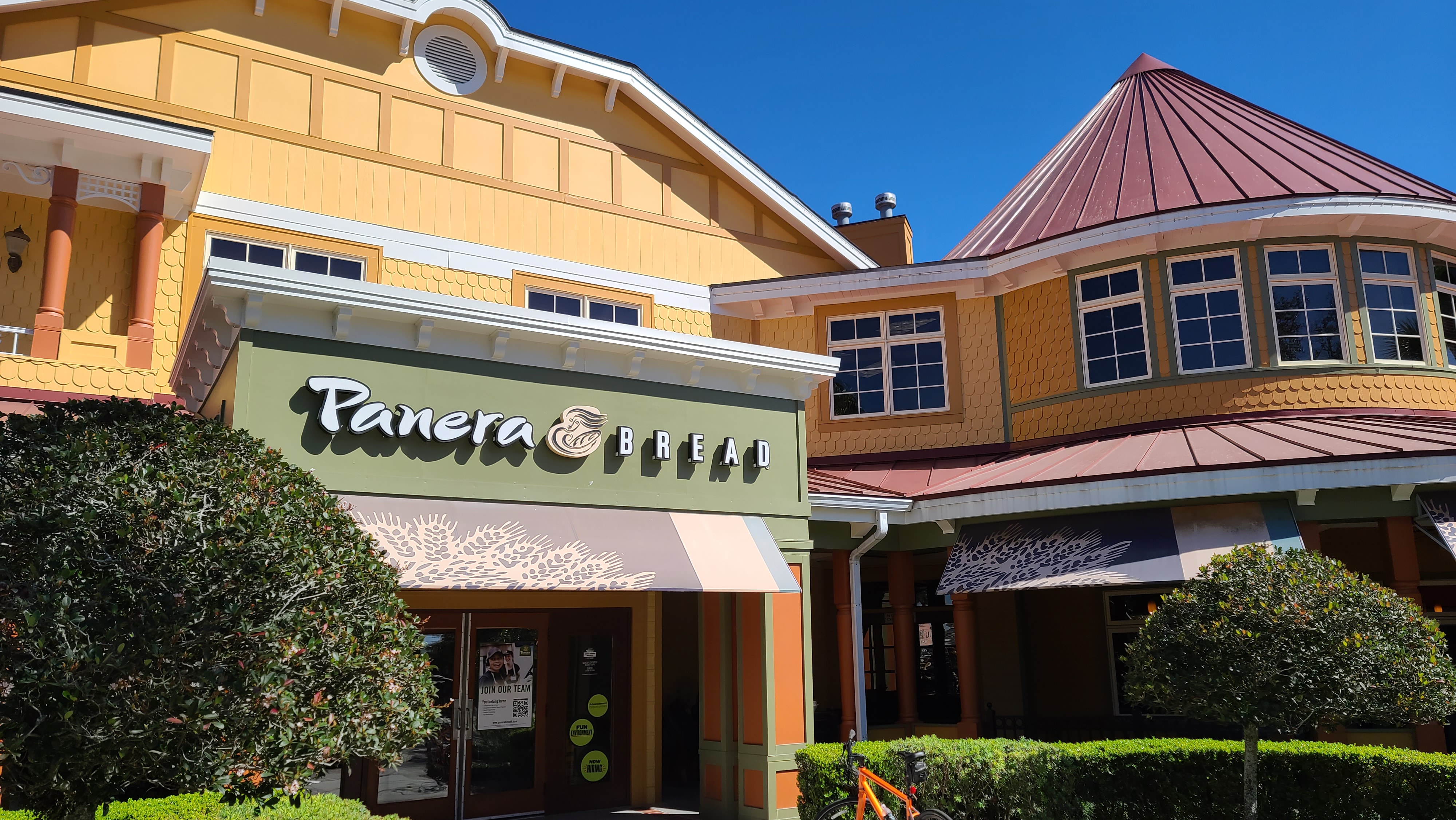
Panera Bread has profoundly influenced the fast-casual dining sector, popularizing the concept of 'clean eating' and artisan-style baked goods in a quick-service environment. Its emphasis on fresh ingredients and a more wholesome menu set a precedent that many subsequent chains have emulated. The company's commitment to transparency regarding its ingredients, particularly its 'Clean Food' policy, has raised consumer awareness and pressured competitors to adopt similar standards. Panera's success also highlights the growing demand for convenient, yet healthier, food options, contributing to the broader shift away from traditional fast food. The ubiquity of its green signage and distinctive bread bowls has made it a recognizable cultural touchstone in American suburban and urban landscapes.
⚡ Current State & Latest Developments
Panera Bread continues to focus on digital growth and operational efficiency. The company is reportedly exploring a potential initial public offering (IPO) in late 2024 or early 2025, a move that could significantly reshape its corporate structure and public profile. Panera continues to refine its digital ordering platforms and delivery services, aiming to capture a larger share of the at-home dining market. Menu innovation remains a priority, with ongoing efforts to introduce new seasonal items and expand plant-based options to cater to evolving consumer preferences.
🤔 Controversies & Debates
Panera Bread has faced scrutiny regarding its 'clean' ingredient claims. Critics argue that while the company has removed many artificial additives, some products still contain high levels of sodium, sugar, and processed ingredients, leading to debates about the true healthfulness of its offerings. Panera's pricing is often higher than traditional fast-food chains, which has also been a point of contention, with some consumers questioning the value proposition. Furthermore, the extensive franchising model, while enabling rapid growth, can lead to inconsistencies in customer experience and operational standards across different locations. The company's relationship with its parent company, JAB Holding Company, and the Reimann family, has also drawn attention due to the family's complex history and significant wealth.
🔮 Future Outlook & Predictions
The future of Panera Bread appears poised for continued digital integration and menu diversification. A potential IPO could provide capital for aggressive expansion and further technological investment. Experts predict a greater emphasis on personalized nutrition and customized meal plans, leveraging Panera's existing digital infrastructure and subscription model. The company is likely to continue expanding its plant-based and vegetarian offerings, aligning with global dietary trends. Furthermore, Panera may explore further acquisitions to broaden its brand portfolio or enter new market segments. The ongoing competition from other fast-casual chains and the evolving landscape of food delivery services will necessitate continuous innovation and adaptation to maintain its market leadership.
💡 Practical Applications
Panera Bread's offerings are practical for a wide range of consumers seeking convenient and relatively healthy meal options. Its salads, sandwiches, and soups are popular choices for office lunches and quick dinners. The bakery items, from bagels to cookies, serve as breakfast and snack options. The company's digital platform and delivery services make its menu accessible for those who prefer to dine at home or are seeking quick pick-up options. For individuals focused on reducing artificial ingredients in their diet, Panera's 'clean' menu provides a readily available alternative to conventional fast food. The Panera Club subscription offers a cost-effective way for frequent customers to access discounts and free beverages.
Key Facts
- Category
- platforms
- Type
- organization