
Contents
Overview
Portable electronics encompass a vast array of devices designed for personal use and mobility, fundamentally altering how individuals interact with information, communication, and entertainment. From the earliest pocket calculators and portable radios to today's ubiquitous smartphones, smartwatches, and wireless earbuds, these gadgets have shrunk complex technologies into handheld or wearable form factors. Their development is a story of miniaturization, power efficiency, and connectivity, driven by relentless innovation in semiconductors, battery technology, and software. The market for portable electronics is colossal, with global sales in the hundreds of billions of dollars annually, impacting nearly every facet of modern life, from work and education to social interaction and personal health. The ongoing evolution promises even more integrated and intelligent devices, blurring the lines between the digital and physical worlds.
🎵 Origins & History
The lineage of portable electronics stretches back further than many realize, predating the digital age with innovations like the transistor radio. The subsequent invention of the integrated circuit by Jack Kilby at Texas Instruments and Robert Noyce at Fairchild Semiconductor paved the way for dramatic miniaturization. Early pioneers like Hewlett-Packard introduced the first handheld scientific calculator, the HP-35, democratizing complex calculations for engineers and students. The true explosion, however, began with the advent of PDAs like the Apple Newton and, most critically, the smartphone, with the IBM Simon Personal Communicator often cited as the first, though Apple's iPhone truly defined the modern era.
⚙️ How It Works
At their core, portable electronics function through a sophisticated interplay of miniaturized hardware and efficient software. A central processing unit (CPU), often a System-on-a-Chip (SoC), handles computation, while flash memory stores operating systems and user data. Lithium-ion batteries provide the essential power, a critical component for untethered operation. Connectivity is achieved through wireless technologies like Wi-Fi, Bluetooth, and cellular networks (e.g., 5G), enabling data exchange and communication. Touchscreens have become the dominant interface, replacing physical buttons with intuitive graphical displays, a paradigm shift popularized by devices like the iPhone. Sensors such as accelerometers, gyroscopes, and GPS receivers allow devices to interact with their environment and provide context-aware functionality.
📊 Key Facts & Numbers
The global market for portable electronics is staggering. In 2023 alone, over 1.15 billion smartphones were shipped worldwide. Wearable devices, including smartwatches and fitness trackers, saw shipments exceeding 400 million units in 2023, generating tens of billions in revenue. The average smartphone user spends nearly 4.8 hours per day on their device, highlighting its central role in daily life. Battery technology remains a key constraint, with most smartphone batteries offering between 3,000 and 5,000 mAh, typically lasting one to two days of moderate use. The semiconductor industry, crucial for producing the microprocessors powering these devices, is valued at hundreds of billions of dollars annually.
👥 Key People & Organizations
Key figures in the development of portable electronics include Steve Jobs, whose vision for the iPhone and iPad redefined personal computing and mobile interaction. Andy Rubin, often called the 'father of Android,' was instrumental in developing the Android mobile operating system, now the world's most widely used. Masayoshi Son, CEO of SoftBank Group, has been a major investor in mobile technology and AI, significantly shaping the industry's landscape. Major corporations like Apple Inc., Samsung Electronics, and Google dominate the market, pouring billions into research and development. The Qualcomm corporation is a critical supplier of Snapdragon chipsets, powering a vast majority of Android smartphones.
🌍 Cultural Impact & Influence
Portable electronics have fundamentally reshaped social structures, communication patterns, and access to information. The rise of the social media platform, heavily reliant on mobile access, has created new forms of community and discourse, as seen with Facebook and Instagram. They've democratized content creation, enabling anyone with a smartphone to become a broadcaster or publisher via platforms like YouTube and TikTok. This constant connectivity has also led to concerns about digital addiction, privacy erosion, and the spread of misinformation, issues debated fiercely on platforms like Reddit. The ubiquity of these devices has also spurred new industries, from mobile gaming to location-based services, profoundly altering economies and daily routines.
⚡ Current State & Latest Developments
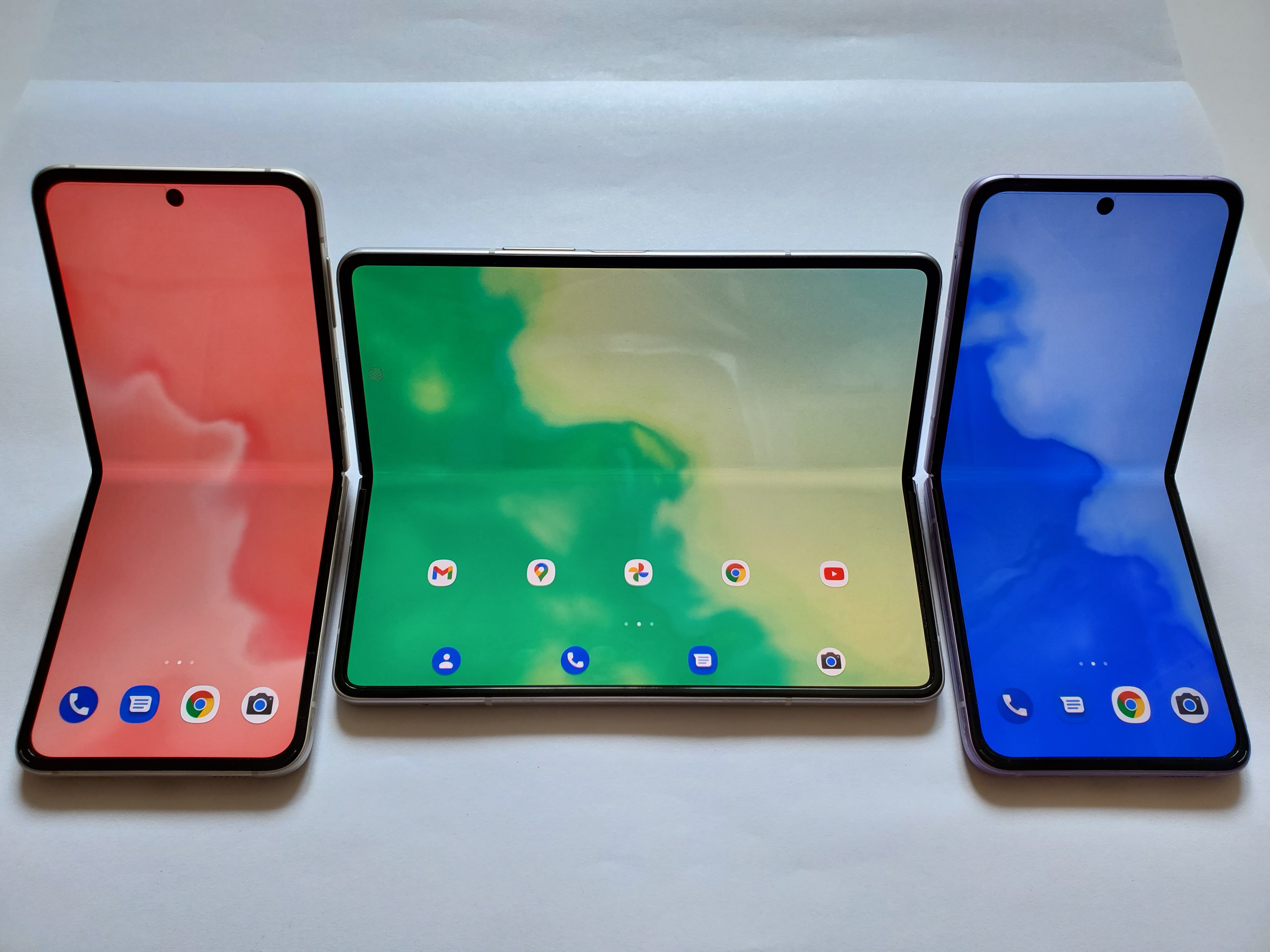
The current landscape of portable electronics is defined by increasing integration and intelligence. Wearable technology is rapidly evolving beyond simple fitness tracking to include advanced health monitoring, such as continuous ECG readings and blood oxygen saturation (SpO2) measurements, integrated into devices like the Apple Watch Series 9 and Samsung Galaxy Watch 6. Foldable smartphones, pioneered by companies like Samsung with its Galaxy Z Fold 5, are becoming more mainstream, offering larger screen real estate in compact form factors. Artificial intelligence is being embedded directly into devices, powering more sophisticated voice assistants like Google Assistant and Siri, and enabling on-device machine learning for tasks like image recognition and predictive text. The push for greater power efficiency and faster charging technologies, such as USB Power Delivery and proprietary fast-charging solutions, continues to be a major focus for manufacturers like OnePlus.
🤔 Controversies & Debates
The ethical implications of portable electronics are a significant area of debate. Concerns over data privacy are paramount, as devices collect vast amounts of personal information, from location data to biometric readings, often shared with third parties or governments. The environmental impact of manufacturing and disposing of these devices, particularly the mining of rare earth minerals and the growing problem of e-waste, is another critical controversy. Planned obsolescence, the practice of designing products with a limited lifespan to encourage frequent upgrades, is frequently criticized by consumer advocacy groups. Furthermore, the digital divide persists, with unequal access to these technologies exacerbating existing societal inequalities, a point often raised by organizations like the International Telecommunication Union (ITU).
🔮 Future Outlook & Predictions
The future of portable electronics points towards even deeper integration into our lives, moving beyond handheld devices to truly seamless ambient computing. Augmented reality (AR) glasses, such as Meta's Ray-Ban Meta Smart Glasses and the forthcoming Apple Vision Pro, are poised to become the next major computing platform, overlaying digital information onto the physical world. Brain-computer interfaces (BCIs) are on the horizon, potentially allowing direct neural control of devices, a field actively researched by companies like Neuralink. Advances in solid-state battery technology promise longer battery life and faster charging, addressing a key limitation. The convergence of AI, IoT, and wearable tech will likely lead to highly personalized, predictive devices that anticipate user needs before they are even articulated, creating a more proactive and integrated digital experience.
💡 Practical Applications
Portable electronics have found applications across virtually every sector. In healthcare, they enable remote patient monitoring, telemedicine consultations, and the tracking of vital signs, as seen with devices like the Fitbit Sense 2. In education, they provide access to vast online res
Key Facts
- Category
- technology
- Type
- topic