
Contents
Overview
The evolutionary lineage of prairie dogs traces back to the ancient ground squirrels of North America. The genus Cynomys as we recognize it today likely solidified its distinct characteristics during the Pleistocene. Early indigenous peoples of the Great Plains undoubtedly coexisted with prairie dogs for millennia, observing their intricate social structures and their role in the prairie environment. European exploration and westward expansion in the 18th and 19th centuries brought increased human interaction, often characterized by conflict. Settlers viewed prairie dogs as agricultural pests, leading to widespread poisoning and eradication campaigns that began in earnest in the late 19th century, significantly impacting their historical range and numbers. The establishment of the U.S. Fish and Wildlife Service and later conservation movements in the 20th century began to shift perspectives, though the legacy of eradication efforts continues to shape their current status.
⚙️ How They Live
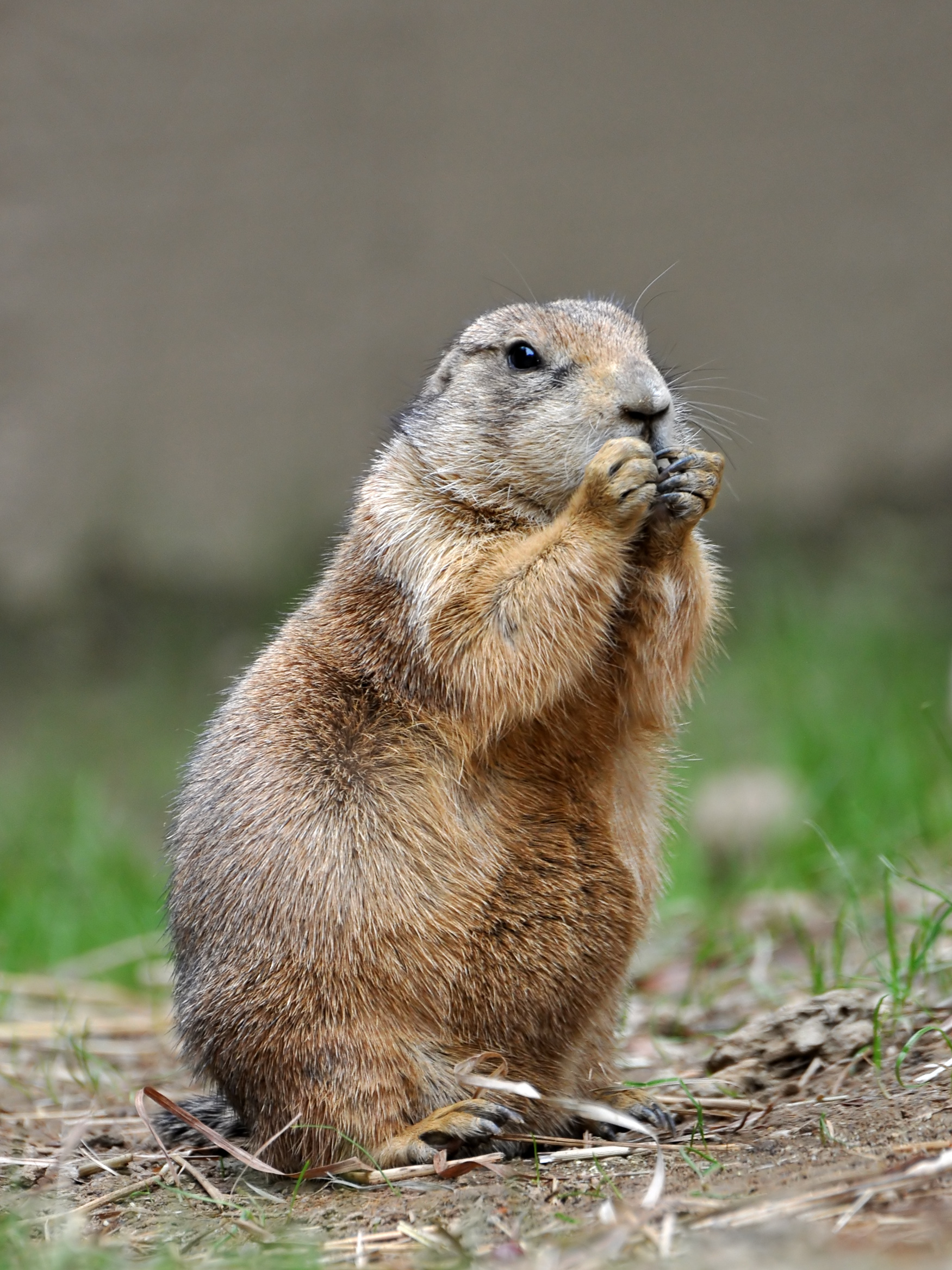
Prairie dogs are masters of subterranean engineering, constructing complex burrow systems that serve as their homes, nurseries, and defense outposts. These "towns" can house hundreds, sometimes thousands, of individuals, each with its own burrow entrance. A typical burrow includes multiple chambers for sleeping, food storage, and waste disposal, along with escape tunnels. Their social structure is highly organized, revolving around "coteries," which are family groups occupying a specific section of the town. Communication is sophisticated, involving a complex array of barks, chirps, and alarm calls—most famously, their "jump-yip" alarm call, which warns of predators and is so distinct it inspired the common name "prairie dog." They are diurnal, emerging from their burrows primarily in the morning and late afternoon to forage for grasses, seeds, and other vegetation, engaging in social grooming and territorial disputes.
📊 Key Facts & Numbers
A single prairie dog town can cover anywhere from less than an acre to over 100 acres, housing hundreds or even thousands of individuals. Black-tailed prairie dogs, the most widespread species, can have coteries numbering from 5 to 20 individuals. Their burrows can extend up to 15 feet deep and 50 feet long, with an average of 10 entrances per acre in a densely populated area. Historically, estimates suggest that prairie dog populations once numbered in the billions across North America, with some accounts suggesting they covered as much as 400 million acres. Today, their populations are estimated to be less than 10% of their historical peak, with some species, like the Utah prairie dog, being listed as endangered or threatened. Their average lifespan in the wild is 3 to 5 years, though some can live up to 8 years.
👥 Key Species & Their Traits
The genus Cynomys comprises five distinct species, each with unique characteristics and ranges. The black-tailed prairie dog (Cynomys ludovicianus) is the most common and widespread, found from Canada to Mexico, recognizable by its black tail tip. The white-tailed prairie dog (Cynomys leucurus) inhabits higher elevations in the Rocky Mountain region and has a white tail tip. Gunnison's prairie dog (Cynomys gunnisoni) is found in the Four Corners region of the southwestern United States and is known for its distinct vocalizations. The Utah prairie dog (Cynomys parvidens) is a smaller species endemic to Utah, facing significant conservation challenges. Finally, the Mexican prairie dog (Cynomys mexicanus) is found in a limited range in northern Mexico, also facing threats to its habitat.
🌍 Ecological Impact & Influence
Prairie dogs are unequivocally a keystone species, meaning their presence and activities have a disproportionately large effect on their environment. Their extensive burrowing aerates the soil, improving water infiltration and soil health, which benefits plant growth. The mounds they create provide elevated vantage points for predators and prey alike, and their abandoned burrows offer crucial shelter for a diverse array of wildlife, including burrowing owls, black-footed ferrets, western rattlesnakes, short-horned lizards, and various insects. Their grazing habits also influence plant diversity, creating a mosaic of short and tall grasses that supports a wider range of herbivores. The decline of prairie dog populations has had cascading negative effects on the biodiversity of the prairie ecosystem.
⚡ Current State & Conservation
The current conservation status of prairie dogs varies by species, with the Utah prairie dog listed as endangered and Gunnison's prairie dog as threatened in parts of its range. Black-tailed prairie dogs, while not federally listed, have experienced significant population declines and are considered a species of concern by many conservation organizations. Habitat loss due to agriculture, urban development, and conversion to rangeland for livestock grazing remains the primary threat. Additionally, ongoing efforts to control prairie dog populations through poisoning and shooting, often driven by agricultural interests, continue to suppress numbers. Conservation initiatives focus on habitat restoration, land acquisition for protected areas, and public education campaigns to highlight their ecological importance. Organizations like the Prairie Dog Coalition and the National Wildlife Federation actively advocate for their protection.
🤔 Controversies & Debates
The most significant controversy surrounding prairie dogs centers on their designation as pests versus their role as a vital ecosystem engineer. Ranchers and farmers often view them as competitors for forage and as creators of uneven terrain that can be hazardous to livestock and equipment. This perspective has historically fueled widespread eradication programs, often supported by government agencies. Conservationists and ecologists, however, argue that the ecological services provided by prairie dogs far outweigh any perceived negative impacts. They point to the dependence of species like the black-footed ferret on prairie dogs and the broader benefits to soil health and biodiversity. Debates also arise over the efficacy and ethics of different control methods, with poisoning campaigns being particularly contentious due to their non-target impacts and potential harm to other wildlife.
🔮 Future Outlook & Predictions
The future of prairie dogs hinges on a delicate balance between human land use and conservation efforts. Continued habitat fragmentation and agricultural pressures will likely lead to further population declines if not actively managed. However, a growing understanding of their ecological significance could bolster conservation initiatives. The potential reintroduction of the black-footed ferret, which is critically dependent on prairie dogs, could drive increased protection efforts for their prey. Advances in conservation science, including improved habitat management techniques and community-based conservation programs, offer hope. The success of these efforts will depend on policy changes, public support, and a willingness to coexist with these essential prairie inhabitants. Some projections suggest that without significant intervention, certain prairie dog species could face extirpation from large portions of their historical range within the next 50 years.
💡 Practical Applications (Indirect)
While prairie dogs are not directly "applied" in the way a tool or technology might be, their existence has profound indirect practical applications for the health of the prairie ecosystem, which in turn supports agriculture and other human endeavors. Their burrowing improves soil structure and water retention, which can benefit adjacent agricultural lands by reducing erosion and enhancing groundwater recharge. The biodiversity they support, including beneficial insects and predators of agricultural pests, contributes to a more resilient ecosystem. Furthermore, their role in maintaining grassland health is crucial for carbon sequestration, contributing to climate regulation. The study of their complex social behaviors and communication systems also offers insights into animal behavior and ecolog
Key Facts
- Category
- nature
- Type
- topic