Contents
Overview
The story of the Pre-Columbian Americas begins with the migration of the first humans into the continents, a process widely believed to have occurred via the Bering Land Bridge from Asia, though alternative theories like trans-Pacific voyages persist. Over millennia, these early inhabitants diversified into hundreds of distinct cultural groups, each adapting to varied environments. Major civilizations like the Olmec, considered the 'mother culture' of Mesoamerica, laid foundational elements for later complex societies. The Maya developed advanced writing and calendrical systems, while the Aztec and Inca built vast empires through sophisticated administration and military might.
⚙️ How It Worked
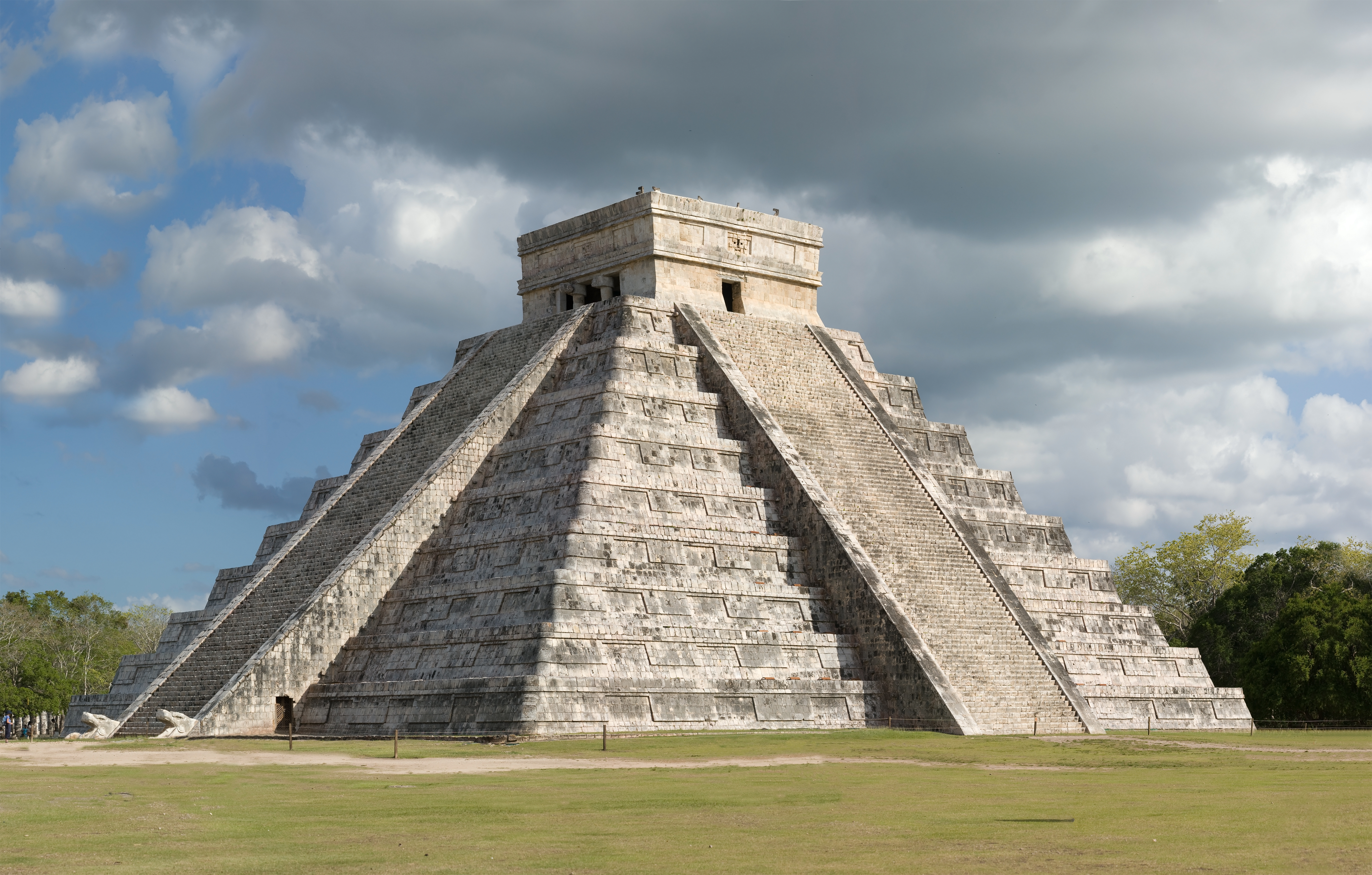
Pre-Columbian societies operated on diverse organizational principles, ranging from nomadic hunter-gatherer bands to highly stratified urban states. Agriculture was a cornerstone, with staple crops like maize, potatoes, and beans cultivated through innovative techniques such as terracing in the Andes and chinampas (floating gardens) in Mesoamerica. Monumental architecture, including the pyramids of Teotihuacan and the cities of Machu Picchu, showcased advanced engineering and labor organization. Trade networks spanned vast distances, facilitating the exchange of goods like obsidian, jade, and textiles. Religious practices were central, often involving complex cosmologies, elaborate rituals, and the construction of ceremonial centers. Political structures varied from chiefdoms to empires, with leadership often legitimized through divine right or military prowess, as seen in the Aztec Triple Alliance or the Inca Tawantinsuyu.
📊 Key Facts & Numbers
The population of the Americas before European arrival is a subject of ongoing study. The Inca Empire, at its zenith, stretched over vast distances along the Andes. The Maya civilization, spread across modern-day Mexico and Central America, had numerous city-states. The Aztec capital, Tenochtitlan, built on Lake Texcoco, was a major urban center. The Mississippian culture in North America constructed mounds, such as the Monks Mound at Cahokia, which stood significantly tall.
👥 Key People & Organizations
While no single 'founder' can be attributed to the entirety of the Pre-Columbian Americas, key figures and groups shaped its trajectory. The Olmec civilization, often considered the 'mother culture' of Mesoamerica, produced influential art and religious practices. In the Inca Empire, rulers dramatically expanded the empire's territory and consolidated power. The Aztec Empire was led by emperors such as Moctezuma II, who faced the arrival of Hernán Cortés. Archaeological organizations and institutions like the Smithsonian Institution and universities worldwide continue to study and preserve the legacy of these cultures through ongoing research and excavation.
🌍 Cultural Impact & Influence
The cultural legacy of the Pre-Columbian Americas is immeasurable, influencing global cuisine, art, language, and understanding of human history. Crops domesticated in the Americas, such as maize, potatoes, tomatoes, and chili peppers, revolutionized agriculture and diets worldwide, forming the basis of many modern culinary traditions. Indigenous architectural styles and artistic motifs continue to inspire contemporary design and art. The complex calendrical systems of the Maya, for instance, demonstrate a sophisticated understanding of astronomy. Furthermore, the resilience and survival of Indigenous languages and traditions, despite centuries of colonization, represent a powerful testament to the enduring cultural heritage of the Pre-Columbian era. The very concept of 'America' is inextricably linked to the Indigenous peoples who inhabited it long before European arrival.
⚡ Current State & Latest Developments
The study of the Pre-Columbian Americas is an ongoing, dynamic field. Recent archaeological discoveries, such as advanced dating techniques and the use of LiDAR technology to map hidden structures in dense jungles, continue to refine our understanding of ancient societies. For example, LiDAR has revealed extensive urban networks and agricultural systems previously unknown in the Maya lowlands. Genetic research is also providing new insights into migration patterns and population histories. The ongoing efforts to decipher undeciphered scripts, like the Mayan hieroglyphs, promise further revelations about the political, social, and religious lives of these ancient peoples. The preservation of Indigenous knowledge and oral histories remains a critical component of contemporary research.
🤔 Controversies & Debates
Significant debates surround the Pre-Columbian Americas, particularly concerning the timing and routes of initial human migration, with ongoing discussions about Clovis-first versus pre-Clovis models. The scale and impact of Indigenous populations on their environments are also debated, with some scholars arguing for significant human-induced landscape modification and others emphasizing ecological sustainability. The nature of political structures, particularly the extent of centralized authority in empires like the Inca, is another area of contention. Furthermore, the interpretation of archaeological evidence and the ethical considerations of excavation and repatriation of artifacts remain sensitive issues, often involving complex relationships between archaeologists, governments, and Indigenous communities. The legacy of colonialism and its impact on the interpretation of Pre-Columbian history is a constant undercurrent.
🔮 Future Outlook & Predictions
The future of understanding the Pre-Columbian Americas lies in interdisciplinary collaboration and technological advancement. Continued application of remote sensing technologies like LiDAR promises to uncover more lost cities and settlements, particularly in the Amazon basin and dense Mesoamerican forests. Advances in paleogenetics will likely clarify migration patterns and the genetic relationships between ancient populations and modern Indigenous groups. The decipherment of more scripts and the integration of oral histories with archaeological findings will provide richer narratives. There's also a growing focus on understanding the long-term environmental impacts of Pre-Columbian societies, offering lessons for contemporary sustainability challenges. The potential for new discoveries remains immense, promising to rewrite chapters of human history.
💡 Practical Applications
The practical applications of studying the Pre-Columbian Americas are manifold, extending beyond academic curiosity. Understanding ancient agricultural techniques, such as terracing and chinampa systems, offers valuable insights for modern sustainable agriculture and food security, particularly in challenging terrains. The study of ancient urban planning and water management systems in cities like Tenochtitlan can inform contemporary urban development and infrastructure design. Furthermore, the rich artistic traditions and material culture provide inspiration for contemporary artists, designers, and craftspeople. The resilience and adaptability of Pre-Columbian societies in the face of environmental and social change offer case studies for understanding human adaptation and societal collapse, relevant to current global challenges.
Key Facts
- Category
- history
- Type
- topic