
Contents
Overview
The concept of preventing illness predates modern medicine, with ancient civilizations employing rudimentary public health measures and hygiene practices. The formalization of preventive healthcare as a distinct strategy gained momentum in the late 19th and early 20th centuries, driven by advancements in understanding infectious diseases and the development of vaccines. Early pioneers like Louis Pasteur and Robert Koch laid the groundwork by identifying pathogens, leading to interventions like smallpox vaccination and improved sanitation. The mid-20th century saw a shift towards recognizing lifestyle factors and chronic diseases, with organizations like the World Health Organization (WHO) established in 1948 to promote global health initiatives, including primary prevention. The subsequent decades witnessed a growing body of evidence highlighting the cost-effectiveness and life-saving potential of preventive services, moving it from a niche concern to a central pillar of public health policy.
⚙️ How It Works
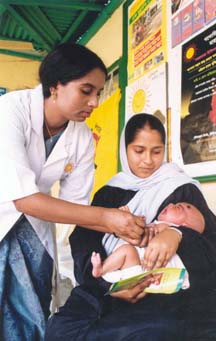
Preventive healthcare access operates through a multi-layered system designed to intercept disease before it manifests or to detect it at its earliest, most treatable stages. Primary prevention includes vaccination programs and health education on diet and exercise, aimed at preventing initial disease occurrence. Secondary prevention focuses on early detection through screening tests like mammograms and colonoscopies, enabling timely intervention. Tertiary prevention involves managing existing conditions to prevent complications and improve quality of life, often through rehabilitation and chronic disease management programs. The 'access' component hinges on the availability of these services, affordability (through insurance or public funding), geographical proximity, cultural appropriateness, and the patient's health literacy and motivation to engage with the healthcare system.
📊 Key Facts & Numbers
Globally, preventable causes account for a staggering burden of disease. Reportedly, nearly 40% of deaths worldwide were attributable to risk factors that could be modified. Cardiovascular diseases, reportedly responsible for an estimated 17.9 million deaths annually, are largely preventable through lifestyle changes and early screening. Reportedly, over 75% of the nation's healthcare costs are for people with chronic diseases, many of which are preventable. Despite this, reportedly only about 2% of the US healthcare budget is allocated to public health and prevention. In low-income countries, the lack of access to basic preventive services like immunizations means that diseases like measles can still cause hundreds of thousands of deaths each year, a stark contrast to high-income nations where such diseases are rare.
👥 Key People & Organizations
Numerous individuals and organizations have championed preventive healthcare access. Jonathan Gruber, an economist at MIT, has extensively researched the economic benefits of preventive care and insurance mandates. Public health advocates like Dr. Mehmet Oz (though controversial) have raised public awareness about screenings and healthy lifestyles. Key organizations include the WHO, which sets global guidelines and supports member states in implementing preventive strategies, and national bodies like the National Institutes of Health (NIH) in the US, which funds research into disease prevention. The American Heart Association and the American Cancer Society play crucial roles in public education, advocacy, and funding research for specific preventive measures.
🌍 Cultural Impact & Influence
The cultural resonance of preventive healthcare access is profound, shifting societal attitudes from a reactive 'sick care' model to a proactive 'well care' mindset. This cultural evolution is visible in the increasing popularity of wellness programs, fitness trackers like Fitbit, and health-conscious media. However, a persistent cultural tension exists between the immediate gratification of unhealthy behaviors and the delayed, often abstract, benefits of prevention. Furthermore, systemic inequities have created a cultural divide where access to preventive resources is often a marker of socioeconomic privilege, leading to disparities in health outcomes that are deeply ingrained in societal structures. The rise of 'wellness culture' can also sometimes inadvertently stigmatize those who struggle to access or afford preventive measures.
⚡ Current State & Latest Developments
Current developments in preventive healthcare access are largely driven by technological innovation and policy shifts. Telehealth platforms, accelerated by the COVID-19 pandemic, are expanding remote access to consultations, screenings reminders, and health coaching, particularly benefiting rural or underserved populations. Artificial intelligence (AI) is increasingly being used for predictive analytics to identify individuals at high risk for certain diseases, enabling targeted preventive interventions. Policy initiatives, such as the Affordable Care Act (ACA) in the US, have mandated coverage for many preventive services without cost-sharing, aiming to reduce financial barriers. However, challenges remain, including the digital divide limiting telehealth access for some, and ongoing debates about the scope and effectiveness of AI in clinical settings.
🤔 Controversies & Debates
The debate surrounding preventive healthcare access is multifaceted. A central controversy lies in the allocation of resources: how much should be invested in prevention versus treatment? Critics argue that the long-term benefits of prevention are often undervalued in budget allocations, while proponents of treatment-focused systems emphasize the immediate needs of current patients. Another significant debate revolves around mandates versus individual choice; for instance, should vaccinations be mandatory for school entry, or is it an individual's right to refuse? Furthermore, questions persist about the effectiveness and equity of certain screening programs, with some research suggesting over-screening can lead to unnecessary anxiety and costly interventions, while under-screening leaves vulnerable populations at risk. The role of insurance companies and government subsidies in ensuring equitable access also remains a contentious point.
🔮 Future Outlook & Predictions
The future of preventive healthcare access is poised for significant transformation, driven by personalized medicine and a greater emphasis on social determinants of health. Advances in genomics and biotechnology will enable highly individualized risk assessments and tailored preventive strategies, moving beyond one-size-fits-all approaches. Expect to see a greater integration of social services with healthcare, as providers increasingly recognize that factors like housing, food security, and education profoundly impact health outcomes. Policy innovations aimed at incentivizing preventive behaviors and expanding coverage for community-based health initiatives are likely to gain traction. The ultimate goal is a system where proactive health maintenance is not a luxury but a universal right, significantly reducing the burden of preventable diseases by 2050.
💡 Practical Applications
Preventive healthcare access has numerous practical applications across various settings. In primary care, it manifests as annual physicals, immunizations for children and adults, and screenings for conditions like hypertension, diabetes, and various cancers. Public health initiatives deploy mass vaccination campaigns, smoking cessation programs, and community-based health education workshops. Corporate wellness programs, offered by companies like Google and Microsoft, aim to improve employee health through fitness challenges, nutritional counseling, and on-site health screenings. In schools, preventive measures include health education curricula, vaccination requirements, and
Key Facts
- Category
- philosophy
- Type
- topic