
Contents
Overview
Prosthetic limbs are artificial devices designed to replace missing body parts, most commonly arms and legs, due to trauma, disease, or congenital conditions. These sophisticated tools range from simple cosmetic replacements to highly functional, electronically controlled extensions of the human body. The field blends biomechanics, materials science, and advanced computing to restore mobility and dexterity, impacting millions of lives globally. Modern prosthetics leverage technologies like 3D printing, AI-powered control systems, and advanced sensor integration, pushing the boundaries of what's possible for amputees. The development and application of prosthetic limbs represent a continuous quest to mimic and even surpass natural biological function, with ongoing research focusing on intuitive control, sensory feedback, and seamless integration with the user's nervous system.
🎵 Origins & History
The concept of replacing a lost limb is ancient, with evidence of early prosthetic devices dating back millennia. The earliest known example of a prosthetic device is a wooden leg, crafted from copper and wood, discovered in Capua, Italy. Ancient Egyptian mummies have also revealed rudimentary toe prostheses, suggesting a long-standing human drive to restore form and function. For centuries, prosthetics were largely rudimentary, often made of wood or leather, offering little more than cosmetic or basic support. The 19th century saw significant advancements, particularly driven by military conflicts like the American Civil War, which increased the demand for more functional artificial limbs. Innovations in materials and mechanics marked a turning point towards more sophisticated designs that aimed to mimic natural movement.
⚙️ How It Works
Modern prosthetic limbs operate on complex biomechanical and electronic principles. They typically consist of a socket that interfaces with the residual limb, a pylon (or shank) for structural support, and a terminal device (foot, hand, or hook). Advanced prosthetics, particularly myoelectric limbs, utilize electromyography (EMG) sensors to detect electrical signals from remaining muscles in the residual limb. These signals are then interpreted by microprocessors to control motors within the prosthetic, allowing for intuitive movements of the hand, wrist, or elbow. More cutting-edge systems are exploring direct neural interfaces, aiming to translate nerve impulses into precise limb control and even provide sensory feedback to the user, blurring the lines between artificial and biological limbs.
📊 Key Facts & Numbers
Globally, an estimated [uncertain] people live with limb loss, with [uncertain] new amputations occurring annually. The global prosthetic limb market was valued at approximately [uncertain] in 2023 and is projected to reach over [uncertain] by 2030, growing at a compound annual growth rate (CAGR) of around [uncertain]%. Lower limb prosthetics account for the largest share of this market, estimated at over [uncertain]%, driven by conditions like diabetes and vascular disease. The cost of advanced prosthetic limbs can range from [uncertain] for basic models to over [uncertain] for highly sophisticated myoelectric or bionic systems, posing significant accessibility challenges for many individuals.
👥 Key People & Organizations
Pioneering figures and organizations have shaped the field of prosthetics. Companies like Ottobock are major players in the industry, developing advanced prosthetic components. Freedom Innovations is also a major player in the industry. The Modular Prosthetic Limb (MPL) is a highly dexterous upper-limb prosthesis. Researchers at institutions like the University of Michigan and Carnegie Mellon University continue to push the boundaries of prosthetic control and integration.
🌍 Cultural Impact & Influence
Prosthetic limbs have profoundly impacted individual lives, restoring independence and enabling participation in activities previously thought impossible. Culturally, they have become symbols of resilience and human ingenuity, often featured in literature, film, and sports. The Paralympic Games, for instance, showcase the incredible capabilities of athletes with advanced prosthetics, challenging perceptions of disability and pushing the limits of human performance. The integration of prosthetics into everyday life also raises questions about identity, body image, and the very definition of 'normalcy,' prompting broader societal conversations about human augmentation and the future of the human form.
⚡ Current State & Latest Developments
The current state of prosthetic limb technology is characterized by rapid advancements in several key areas. Myoelectric control systems are becoming more sophisticated, offering smoother and more intuitive operation, with companies like Össur and William Demant Holding (through its Bioservo Technologies subsidiary) leading the charge. The integration of AI and machine learning is enabling prosthetics to learn user patterns and adapt their behavior in real-time, improving functionality in complex environments. Furthermore, 3D printing is revolutionizing the manufacturing process, allowing for faster, more customized, and cost-effective production of prosthetic sockets and components, making advanced prosthetics more accessible. Research into sensory feedback, aiming to restore a sense of touch and proprioception, is also gaining significant traction.
🤔 Controversies & Debates
Significant controversies surround prosthetic limbs, primarily concerning cost and accessibility. The high price of advanced prosthetics creates a substantial barrier for many amputees, particularly in developing nations or for individuals without comprehensive insurance coverage. This disparity raises ethical questions about equitable access to life-changing technology. Another debate centers on the definition of 'enhancement' versus 'restoration' as prosthetics become more capable, blurring the lines between replacing a lost function and augmenting existing human capabilities. The long-term psychological impact of using artificial limbs and the potential for phantom limb pain management also remain areas of ongoing discussion and research.
🔮 Future Outlook & Predictions
The future of prosthetic limbs points towards increasingly seamless integration with the human body and nervous system. Direct neural interfaces, such as Neuralink's ambitious projects and research from DARPA-funded initiatives, aim to provide users with intuitive, thought-controlled prosthetics and rich sensory feedback, effectively restoring a sense of touch and proprioception. We can anticipate prosthetics that adapt dynamically to different terrains and tasks, powered by advanced AI algorithms. The development of "smart" materials that can self-repair or change properties based on environmental conditions could also revolutionize prosthetic design. Ultimately, the goal is to create prosthetics that are indistinguishable from biological limbs in both function and feel, potentially leading to a future where limb loss is no longer a significant functional limitation.
💡 Practical Applications
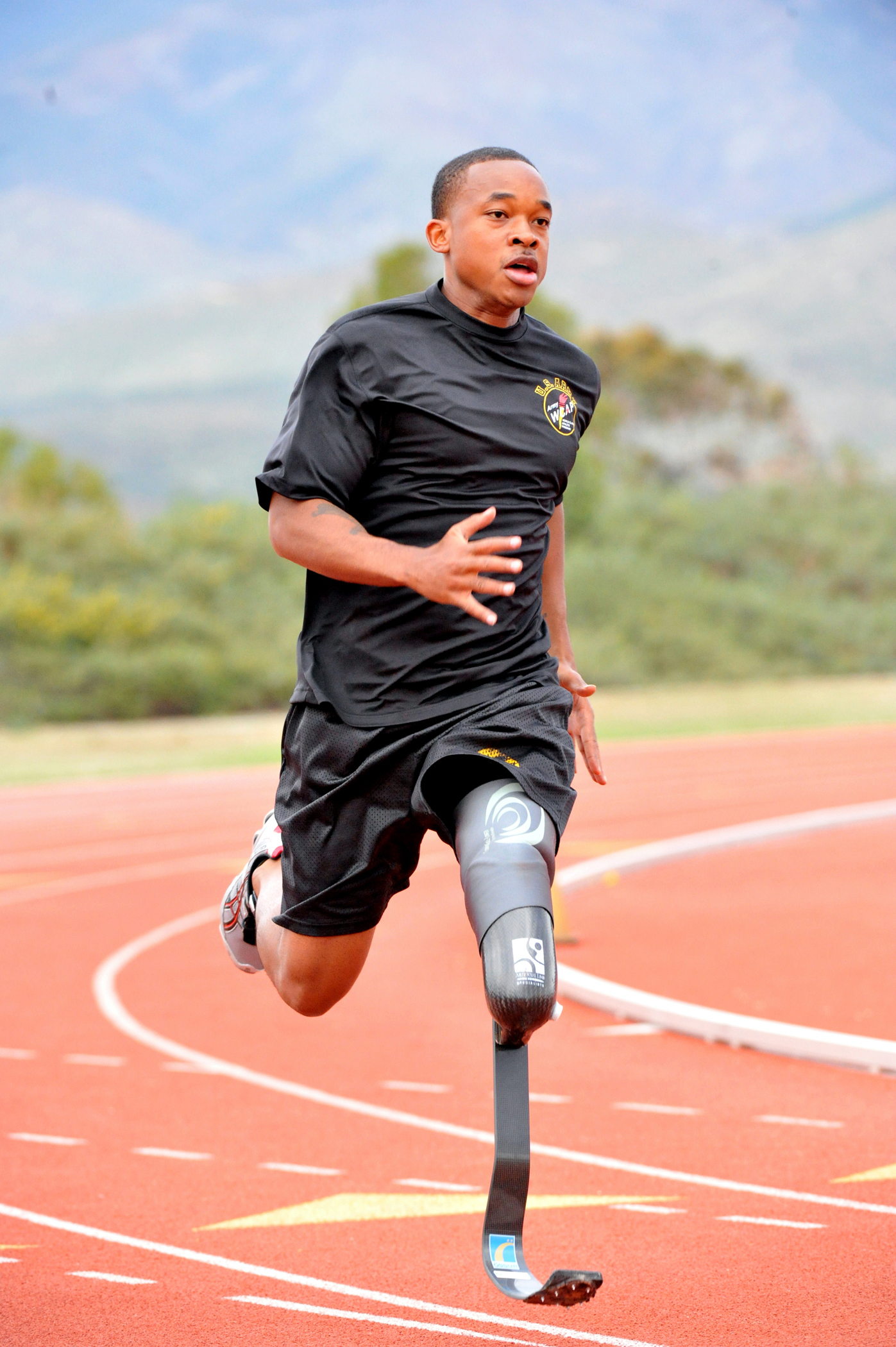
Prosthetic limbs have a wide array of practical applications, fundamentally altering the lives of individuals with limb loss. For amputees, they restore mobility, allowing for walking, running, and climbing stairs, as well as the ability to perform daily tasks like grasping objects, writing, and operating machinery. In sports, specialized prosthetic limbs enable athletes to compete at elite levels, from running marathons with advanced running blades to playing sports with specially designed hands. Beyond functional restoration, prosthetics are also used for cosmetic purposes, providing a lifelike appearance to replace missing limbs. The ongoing development of advanced prosthetics is also finding applications in areas like robotics and human-machine interfaces, informing the design of robots that can interact more naturally with their environment.
Key Facts
- Category
- technology
- Type
- topic