
Contents
Overview
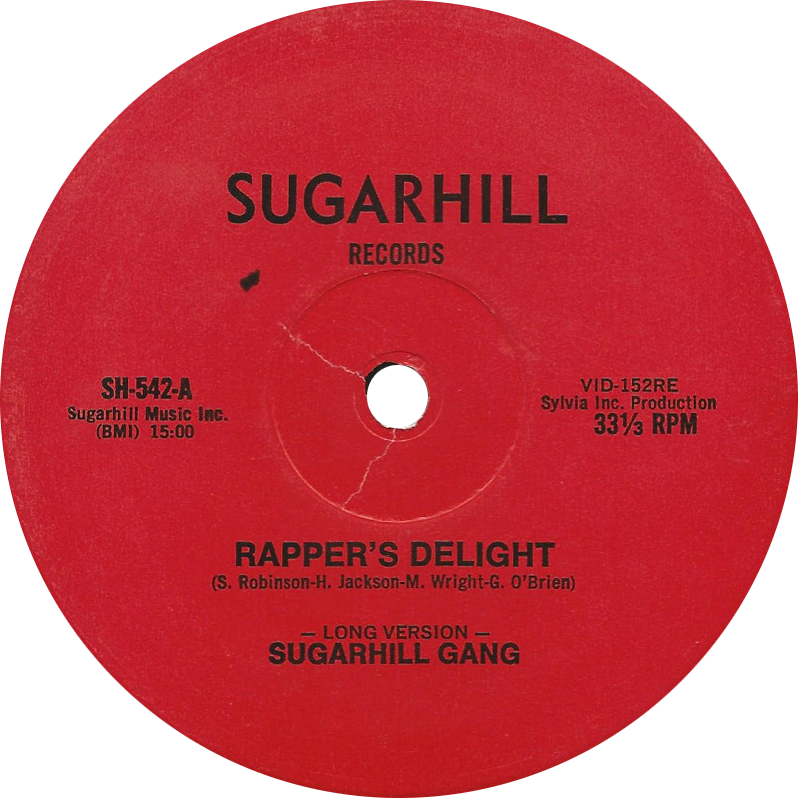
Before "Rapper's Delight" dropped in 1979, hip-hop was a burgeoning subculture largely confined to block parties in the Bronx. This track, by The Sugarhill Gang, wasn't just a song; it was a seismic event that blasted the nascent genre into the global consciousness. Its infectious beat, sampled from Chic's "Good Times", and its playful, boastful rhymes, primarily delivered by Wonder Mike and Big Bank Hank, proved that rapping could be more than just DJ patter. It became the first commercially successful hip-hop single, shattering expectations and paving the way for a musical revolution.
The creation of "Rapper's Delight" is itself a story steeped in the improvisational spirit of early hip-hop. Recorded in a single session by producer Sylvia Robinson and her husband Joe, the track famously utilized a live band (a rarity for hip-hop at the time) to re-create the iconic bassline of "Good Times." The lyrics, a blend of existing party rhymes and newly crafted verses, were largely attributed to The Sugarhill Gang, though the exact authorship and contribution of members like Master Gee and Roxanne Shanté (who was reportedly present but uncredited) remain a point of contention. The track's immediate success, selling over a million copies within months, caught many, including the members of Chic themselves, by surprise.
"Rapper's Delight" didn't just sell records; it sold hip-hop as a viable art form and commercial product. Its widespread airplay on radio stations, a feat unheard of for a genre previously dismissed as noise, exposed millions to rhythmic spoken word over a beat. This exposure, however, also sparked debates about authenticity and commercialization, with some purists arguing that the track's polished sound and mainstream appeal diluted the raw energy of its underground roots. Despite these criticisms, its impact is undeniable, establishing a template for rap music that would be imitated, expanded upon, and ultimately transcended for decades to come.
🎬 Behind the Scenes
The genesis of "Rapper's Delight" is a fascinating intersection of opportunism and serendipity. Sylvia Robinson, already a successful recording artist and founder of Sugar Hill Records, recognized the burgeoning energy of Bronx block parties. She envisioned capturing that raw, live sound for a wider audience. The decision to sample Chic's "Good Times" was a masterstroke, providing an instantly recognizable and irresistible groove. The recording session itself, often cited as taking place in just three hours, highlights the urgency and spontaneity that defined early hip-hop production, contrasting sharply with the more elaborate studio processes of other genres at the time, like the complex arrangements of Steely Dan.
📖 The Story
The narrative of "Rapper's Delight" centers on The Sugarhill Gang's confident swagger and lyrical prowess. The track features extended verses where MCs trade boasts about their skills, their lifestyle, and their ability to rock a party. Lines like "I said-a hip, hop, the hippie, the hippie to the hip hip hop" became iconic calls to action. While primarily associated with Wonder Mike and Big Bank Hank, the contributions of Master Gee and the rumored involvement of Roxanne Shanté highlight the collaborative and sometimes contested nature of early hip-hop authorship, a far cry from the meticulously credited songwriting of The Beatles. The song's structure, with its repetitive chorus and extended instrumental breaks, was perfectly designed for radio play and party environments.
🏆 Reception & Impact
Upon its release, "Rapper's Delight" was an unprecedented phenomenon. It quickly climbed the Billboard charts, reaching number 36 on the Hot 100 and becoming the first rap single to achieve significant mainstream success. This commercial triumph was met with both accolades and controversy. Critics praised its innovation and energy, while some within the hip-hop community, including Grandmaster Flash and the Furious Five, felt it was too commercialized and did not accurately represent the DJ-centric elements of hip-hop culture, such as scratching and beat juggling, which were less prominent in the track. The legal fallout with Chic over the sample, eventually settled out of court, also underscored the evolving landscape of music copyright.
✨ Legacy & Influence
The legacy of "Rapper's Delight" is monumental. It served as the definitive gateway for hip-hop into the global music market, proving its commercial viability. It directly influenced countless artists and laid the groundwork for the golden age of hip-hop in the late 80s and early 90s, impacting acts from Run-DMC to Public Enemy. The track's success also validated the role of the MC as a central figure in hip-hop, shifting focus from the DJ to the rapper. Its innovative use of sampling became a foundational technique in music production across genres, a practice that continues to shape contemporary music, from Kanye West's experimental soundscapes to the pop sensibilities of Drake.
Key Facts
- Year
- 1979
- Origin
- USA
- Category
- videos
- Type
- movie
Frequently Asked Questions
Who originally performed 'Rapper's Delight'?
'Rapper's Delight' was performed by The Sugarhill Gang, a group formed by Sugar Hill Records.
What song is sampled in 'Rapper's Delight'?
The iconic bassline is sampled from Chic's 1979 disco hit 'Good Times'.
Was 'Rapper's Delight' the first hip-hop song ever?
No, it was not the first hip-hop song, but it was the first to achieve significant mainstream commercial success and radio play, effectively launching hip-hop into global consciousness.
What was the impact of 'Rapper's Delight' on hip-hop?
It proved hip-hop's commercial viability, introduced rapping to a global audience, and set a precedent for sampling and lyrical content in rap music.