
Contents
Overview
The concept of recruitment overfishing, while perhaps not formally coined until the mid-20th century, is as old as fishing itself. Early human societies, even with rudimentary tools, could deplete local fish stocks by catching too many young fish, preventing them from growing and reproducing. However, the industrialization of fishing in the late 19th and early 20th centuries, marked by the advent of steam-powered trawlers and larger nets, dramatically amplified the potential for recruitment overfishing on a global scale. Scientists like Michael Graham began formalizing fisheries science and stock assessment in the early 1900s, laying the groundwork for understanding population dynamics and the impact of fishing. The post-World War II era saw an explosion in fishing capacity, with nations investing heavily in fleets that could operate further offshore and for longer periods, making the capture of juvenile fish an increasingly common and damaging practice. The establishment of organizations like the Food and Agriculture Organization (FAO) in 1945 further highlighted the growing global concern over fisheries depletion.
⚙️ How It Works
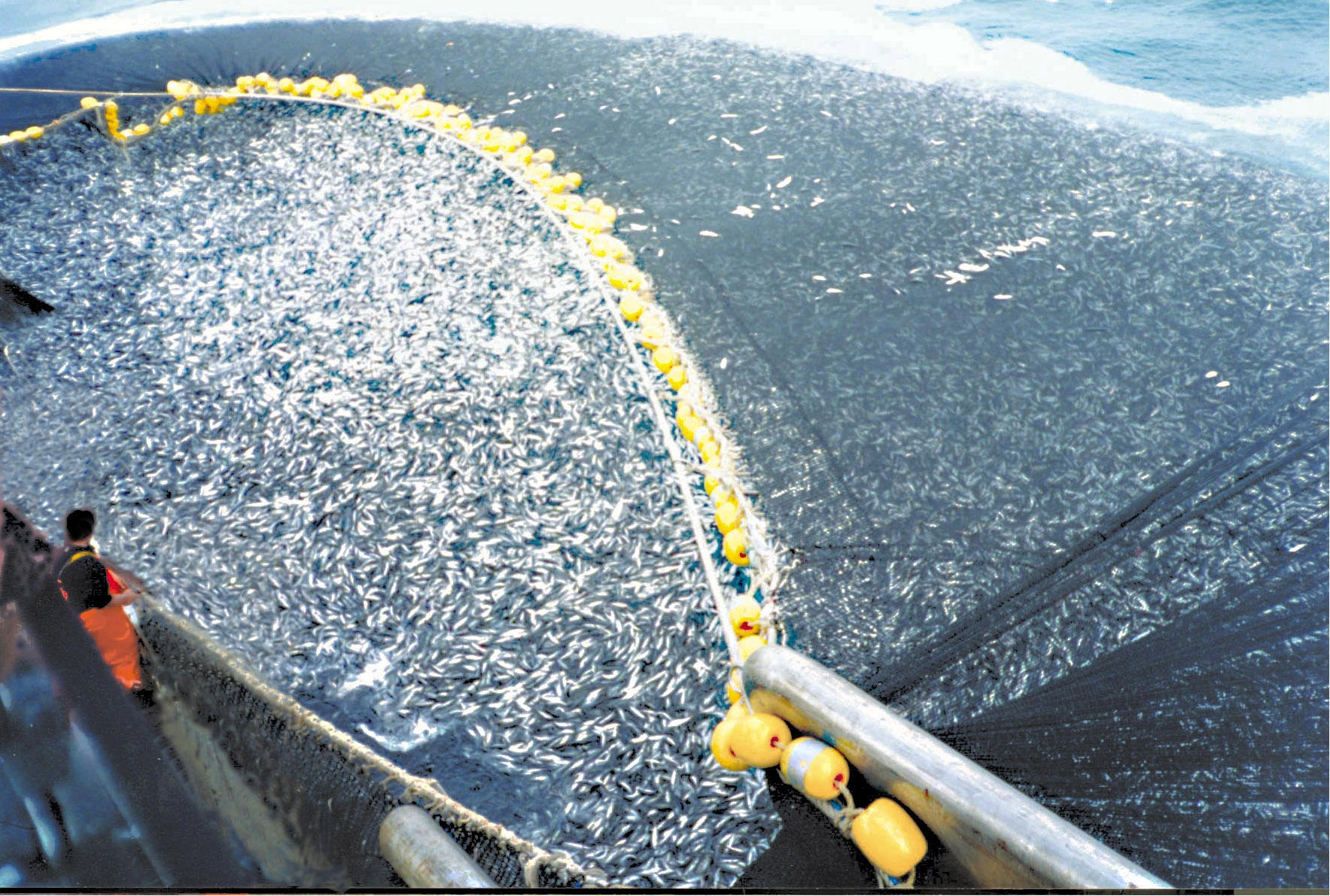
Recruitment overfishing occurs when the rate at which juvenile fish are caught exceeds the rate at which they can mature and reproduce. This means that fishing gear, often using fine mesh nets or targeting specific life stages, removes individuals from the population before they contribute to the next generation. Unlike growth overfishing, where fish are caught too small to reach their maximum potential size, recruitment overfishing directly impacts the population's ability to sustain itself. If too few individuals survive to spawn, the overall reproductive capacity of the stock diminishes. This can lead to a phenomenon known as depensation, where the population becomes too small to recover, even if fishing stops. Advanced fishing technologies, such as purse seine nets and trawling, are particularly effective at capturing large numbers of young fish, often as bycatch or as the primary target if market demand exists for smaller sizes.
📊 Key Facts & Numbers
Globally, it's estimated that over 30% of fish stocks are fished at biologically unsustainable levels, with recruitment overfishing being a significant driver of this statistic. In some heavily exploited fisheries, the proportion of fish caught before reaching maturity can exceed 50%. For instance, the Atlantic cod fishery off Newfoundland, Canada, experienced a catastrophic collapse in the early 1990s, partly due to decades of intense fishing that severely depleted the reproductive capacity of younger age classes. The economic losses from such collapses can be staggering, with the global fishing industry's value estimated to be over $400 billion annually, a figure threatened by unsustainable practices. Studies by the National Oceanic and Atmospheric Administration (NOAA) indicate that restoring depleted stocks could increase sustainable yields by millions of tons per year, representing billions of dollars in potential revenue.
👥 Key People & Organizations
Key figures in understanding and combating recruitment overfishing include fisheries scientists and conservationists. Daniel Pauly, a prominent marine biologist, has extensively documented the global decline of fish stocks and the impact of industrial fishing, including the capture of juvenile fish. Organizations like the World Wildlife Fund (WWF) and the Marine Stewardship Council (MSC) work to promote sustainable fishing practices and certify fisheries that meet rigorous environmental standards, often addressing issues related to the protection of juvenile fish. The Intergovernmental Panel on Climate Change (IPCC) also plays a role, as climate change impacts on marine ecosystems can exacerbate the effects of overfishing, making populations more vulnerable to recruitment failure. Government fisheries management agencies, such as Fisheries and Oceans Canada (DFO), are responsible for setting quotas and regulations aimed at preventing overfishing, though their effectiveness is often debated.
🌍 Cultural Impact & Influence
The cultural impact of recruitment overfishing is profound, often manifesting as the decline of traditional fishing communities and the loss of iconic marine species. The collapse of fisheries like the Pacific Northwest salmon runs, partly due to overfishing of juvenile stages and habitat degradation, has had devastating socio-economic consequences for indigenous populations and coastal towns. Public awareness campaigns by environmental groups have increasingly highlighted the plight of the oceans, using imagery of depleted fish stocks and damaged marine environments to garner support for conservation. The concept of 'empty oceans' has entered the public consciousness, influencing consumer choices through seafood guides and certifications like the MSC label, which signifies sustainably sourced seafood. This shift in consumer demand, driven by a growing understanding of ecological limits, is slowly influencing the practices of major seafood retailers and restaurants worldwide.
⚡ Current State & Latest Developments
Current developments in combating recruitment overfishing focus on improved stock assessment, ecosystem-based management, and the use of technology. Scientists are increasingly employing advanced statistical models and genomic sequencing to better understand fish population dynamics and reproductive success. The implementation of Marine Protected Areas (MPAs) is gaining traction as a tool to safeguard critical nursery grounds and allow juvenile fish to grow and mature without fishing pressure. Furthermore, the development of selective fishing gear, designed to minimize the capture of non-target species and juveniles, is ongoing. However, the expansion of aquaculture and the increasing global demand for seafood continue to put pressure on wild stocks, making effective enforcement of regulations and international cooperation more critical than ever. The ongoing debate surrounding fishing subsidies, which can artificially inflate fishing capacity, remains a significant hurdle to sustainable management.
🤔 Controversies & Debates
A central controversy surrounding recruitment overfishing lies in the inherent difficulty of accurately assessing fish populations and predicting future recruitment success. Different scientific models can yield vastly different estimates, leading to disagreements over appropriate fishing quotas. Critics argue that some management bodies are too slow to react to declining stocks, often influenced by political or economic pressures from the fishing industry. The debate over bycatch – the unintentional capture of juvenile fish and other non-target species – is also contentious, with varying regulations and reporting standards across different nations and fisheries. Furthermore, the effectiveness and enforcement of Marine Protected Areas are frequently debated, with some arguing they are too small or poorly managed to provide significant benefits, while others see them as essential tools for rebuilding fish populations.
🔮 Future Outlook & Predictions
The future outlook for preventing recruitment overfishing hinges on a global commitment to science-based management and international cooperation. Projections suggest that without significant changes, many more fisheries could face collapse in the coming decades, impacting global food security and marine biodiversity. The increasing use of artificial intelligence and big data analytics in fisheries management holds promise for more precise stock assessments and the development of adaptive fishing strategies. However, the political will to implement and enforce necessary conservation measures, particularly in the face of economic pressures, remains a critical unknown. The success of initiatives like the UN Sustainable Development Goal 14 depends on addressing these challenges effectively.
Key Facts
- Category
- nature
- Type
- topic