
Contents
Overview
The study of respiratory physiology traces its roots back to ancient observations of breathing as essential for life, though a scientific understanding began to crystallize during the Scientific Revolution. Early pioneers like William Harvey in the 17th century, through his work on blood circulation, laid groundwork for understanding gas transport. The 18th century saw significant advancements with scientists such as Joseph Priestley and Antoine Lavoisier identifying oxygen and its role in combustion and respiration, effectively defining the chemical basis of gas exchange. By the 19th century, figures like Claude Bernard began to systematically explore the internal environment of the body, including the mechanisms of breathing and the concept of homeostasis. The development of tools like the spirometer in the late 19th century allowed for quantitative measurements of lung function, marking a transition towards modern, data-driven respiratory science. The 20th century brought deeper insights into the mechanics of ventilation, the physics of gas diffusion, and the neurochemical control of breathing, solidifying respiratory physiology as a distinct and critical field within medicine and biology.
⚙️ How It Works
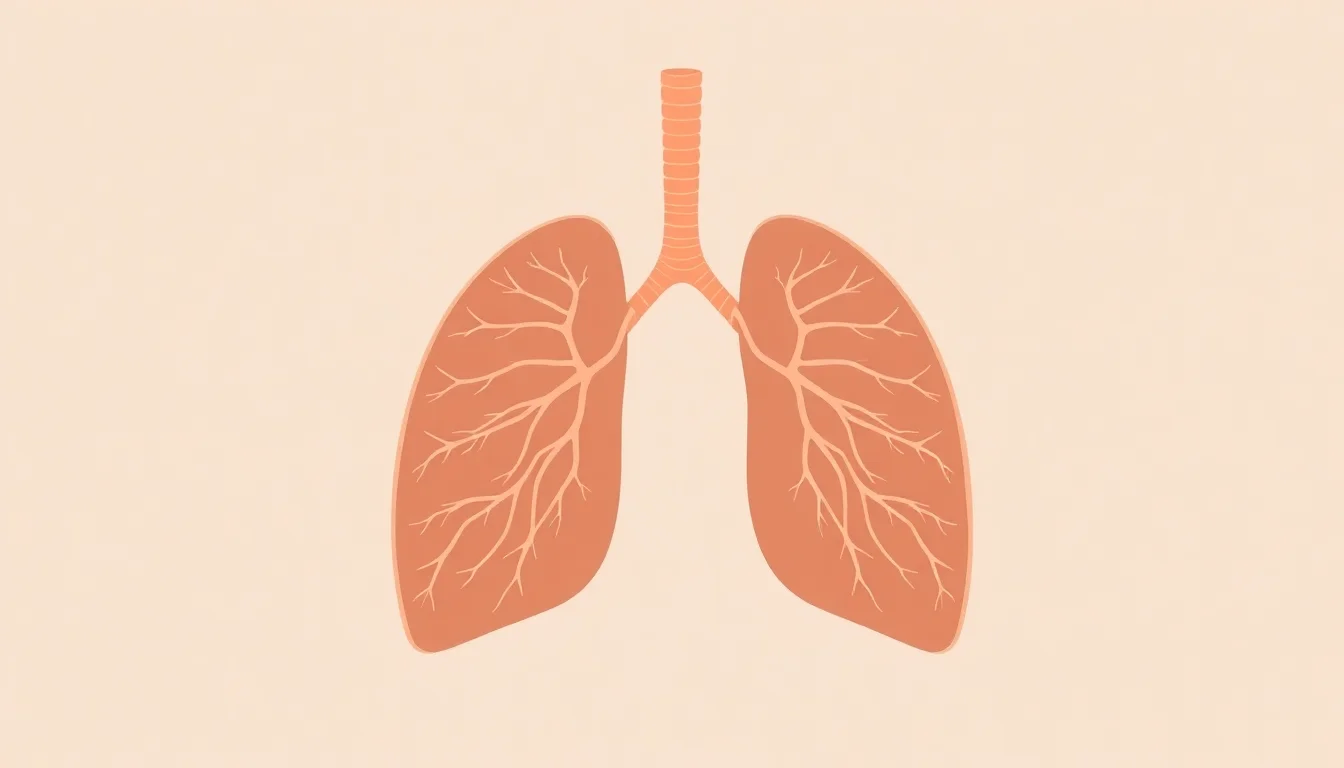
At its core, respiratory physiology operates through a series of integrated processes. Ventilation, the mechanical act of breathing, involves the coordinated action of the diaphragm and intercostal muscles to alter thoracic volume, creating pressure gradients that drive air into and out of the lungs. This air then reaches the alveoli, tiny air sacs where gas exchange occurs across a thin membrane. Perfusion, the circulation of blood through the pulmonary capillaries surrounding the alveoli, brings deoxygenated blood rich in carbon dioxide to the lungs. Oxygen diffuses from the alveoli into the blood, binding to hemoglobin in red blood cells, while carbon dioxide diffuses from the blood into the alveoli to be exhaled. This entire process is tightly regulated by the respiratory centers in the brainstem, which respond to changes in blood gas levels (primarily PCO2 and PO2) and pH, ensuring adequate gas exchange to meet the body's metabolic demands. The efficiency of diffusion is governed by Fick's Law, which relates the rate of gas transfer to the surface area, thickness of the membrane, and the partial pressure gradient.
📊 Key Facts & Numbers
The human lungs possess an astonishing surface area for gas exchange, estimated to be between 50 to 100 square meters—comparable to a tennis court. During quiet breathing, an average adult inhales and exhales about 6 to 8 liters of air per minute, with tidal volumes typically around 500 mL. The partial pressure of oxygen in alveolar air is approximately 104 mmHg, while in venous blood it is about 40 mmHg, driving diffusion. Conversely, the partial pressure of carbon dioxide in alveolar air is around 40 mmHg, while in venous blood it's about 45 mmHg, facilitating its removal. At sea level, atmospheric pressure is 760 mmHg, with oxygen comprising about 21% of this. The vital capacity, the maximum amount of air a person can exhale after a maximal inhalation, can range from 3 to 5 liters in healthy adults. Approximately 98.5% of oxygen in the blood is transported bound to hemoglobin, with only a small fraction dissolved in plasma.
👥 Key People & Organizations
Key figures in respiratory physiology include Augustus Desire Waller, who described the 'Waller effect' related to breathing movements, and John Scott Haldane, a physiologist who made significant contributions to understanding the regulation of breathing. More contemporary researchers have advanced our understanding of mechanical ventilation, while others have explored the neurophysiology of breathing. Organizations such as the American Thoracic Society and the European Respiratory Society are leading institutions, fostering research, education, and advocacy in respiratory health. Major research universities worldwide, including Johns Hopkins University and University College London, host prominent departments dedicated to pulmonary and critical care medicine, driving innovation in the field.
🌍 Cultural Impact & Influence
The cultural resonance of respiratory physiology is profound, deeply embedded in our understanding of health, fitness, and even emotional states. The act of 'taking a deep breath' is a universal coping mechanism, reflecting an intuitive grasp of how controlled breathing can influence physiological and psychological states. Athletic performance is inextricably linked to efficient respiration, with terms like 'lung capacity' entering common parlance. The COVID-19 pandemic highlighted the vulnerability of the respiratory system and the critical importance of ventilators and oxygen therapy. This period also saw increased public awareness of practices like mouth taping and pranayama, demonstrating a broader cultural interest in optimizing breathing techniques for well-being, often drawing from ancient traditions like yoga.
⚡ Current State & Latest Developments
Current research in respiratory physiology is rapidly evolving, driven by advancements in technology and a deeper understanding of disease mechanisms. The development of sophisticated imaging techniques, such as functional MRI and PET scans, allows for real-time visualization of lung function and gas exchange. AI-driven diagnostics are emerging, with algorithms analyzing medical images and patient data to predict respiratory conditions like COPD and pulmonary fibrosis with greater accuracy. Gene editing technologies, like CRISPR-Cas9, hold promise for treating inherited respiratory diseases such as cystic fibrosis. Furthermore, research into the microbiome of the respiratory tract is revealing its complex role in health and disease, influencing immune responses and susceptibility to infections. The study of exhaled breath analysis is also gaining traction as a non-invasive diagnostic tool for various conditions.
🤔 Controversies & Debates
One of the most persistent debates in respiratory physiology centers on the optimal approach to mechanical ventilation in critically ill patients. While the goal is to support breathing, aggressive ventilation strategies can sometimes lead to ventilator-induced lung injury (VILI), a condition where the mechanical forces damage lung tissue. This has fueled ongoing discussions about lung-protective ventilation strategies, focusing on lower tidal volumes and appropriate positive end-expiratory pressure (PEEP). Another area of contention involves the role of breathing retraining for conditions like asthma and COPD. While some studies show benefits, the extent to which these techniques can replace or supplement pharmacological treatments remains a subject of debate, with some critics questioning the robustness of the evidence and the potential for patient harm if not properly supervised. The efficacy and safety of alternative breathing techniques, such as mouth taping, also remain controversial, with limited high-quality scientific evidence to support widespread adoption.
🔮 Future Outlook & Predictions
The future of respiratory physiology is poised for significant breakthroughs, particularly in personalized medicine and regenerative therapies. Advances in genomics and proteomics will enable highly tailored treatments for respiratory diseases, considering individual genetic predispositions and disease profiles. The development of bio-engineered lungs or lung tissue patches, potentially derived from stem cells, could offer revolutionary solutions for organ transplantation and repair. Furthermore, the integration of wearable sensors and AI will lead to continuous, real-time monitoring of respiratory function, allowing for early detection of exacerbations and proactive management of chronic conditions. Research into the effects of envir
Key Facts
- Category
- science
- Type
- topic