
Contents
Overview
Sacred texts are the cornerstones of religious and spiritual traditions worldwide, revered as divinely inspired or authoritative sources of doctrine, ritual, ethics, and communal identity. These compilations of beliefs, laws, and narratives are not merely historical documents but living guides that shape the worldview and practices of billions. From the ancient Vedic scriptures of Hinduism to the Christian Bible, the Islamic Quran, and the Jewish Torah, these texts provide frameworks for understanding existence, morality, and the divine. Their interpretation and dissemination have fueled empires, inspired revolutions, and fostered profound personal transformation across millennia. The global reverence for these texts is evident in their widespread translation, study, and the monumental efforts undertaken to preserve them, such as the British Library's digital initiatives.
🎵 Origins & History
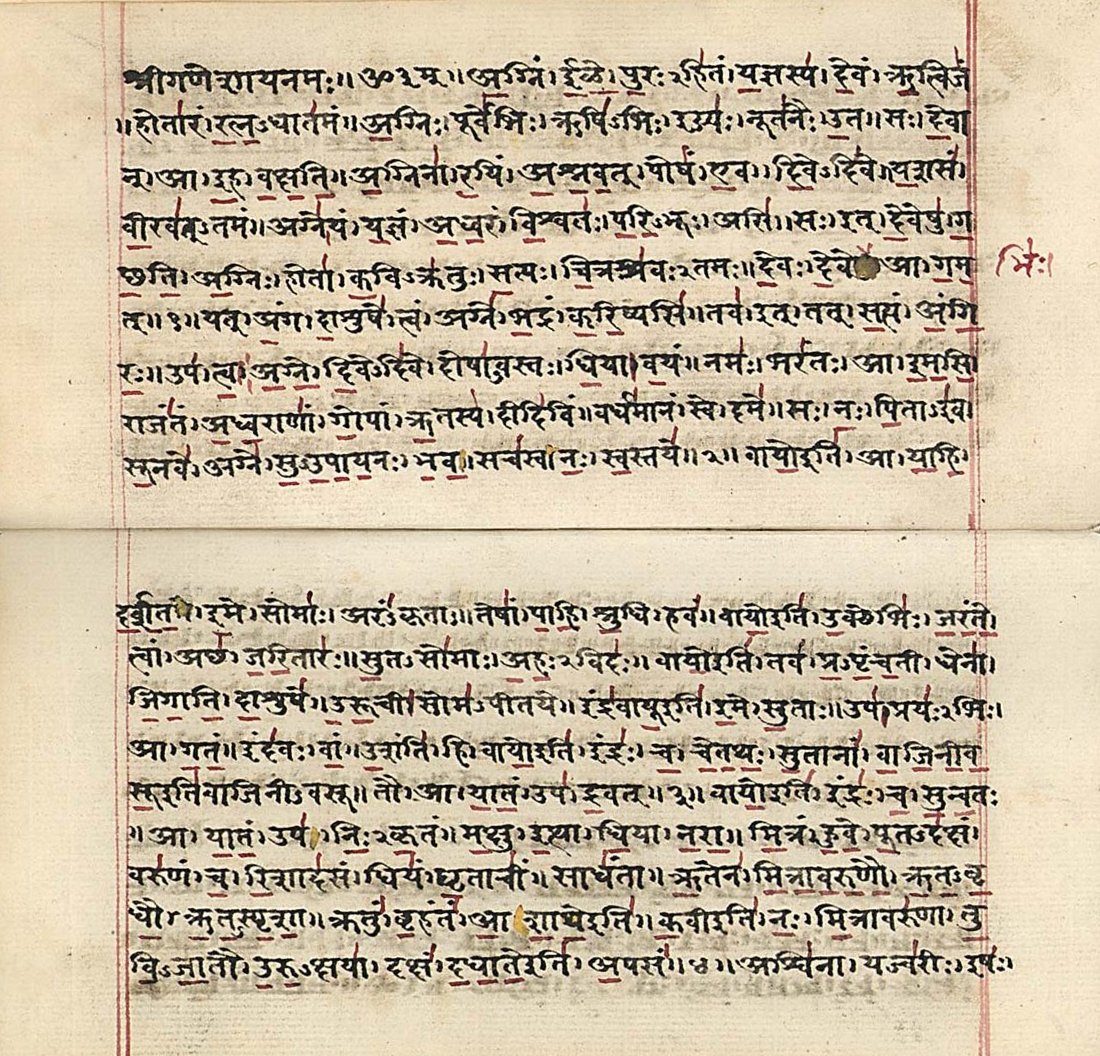
The concept of sacred texts originated from oral traditions that predated written language. Early civilizations developed foundational myths and legal codes. The earliest written sacred texts include the Vedic hymns of Hinduism, with parts dating back to 1500 BC, and the Egyptian Book of the Dead (c. 1550 BC). The Hebrew Bible (Old Testament), compiled over centuries, became the foundational scripture for Judaism and later Christianity. The Christian New Testament canon was largely established by the 4th century AD, while the Islamic Quran was revealed to the Prophet Muhammad in the 7th century AD. Each text emerged from specific historical, cultural, and linguistic contexts, often attributed to divine revelation or the teachings of revered prophets and sages.
⚙️ How They Function
Sacred texts function as more than just books; they are conduits of spiritual authority and communal cohesion. They typically articulate a religion's core theology, cosmology, and eschatology, explaining the nature of the divine, the origin of the universe, and the ultimate fate of souls. Moral and ethical frameworks are often derived directly from commandments, parables, and narratives within these texts, guiding adherents on how to live a righteous life. Rituals, prayers, and liturgical practices are frequently prescribed or exemplified in sacred writings, providing a blueprint for worship and spiritual discipline. Furthermore, they serve as historical records, preserving the collective memory, foundational myths, and key figures of a religious tradition, fostering a shared identity among believers across generations and geographical divides.
📊 Key Facts & Numbers
Globally, over 5 billion people identify with a religion, and the texts underpinning these faiths are among the most printed and translated works in human history. The Christian Bible is estimated to have been printed in over 5 billion copies and translated into more than 700 languages, making it the most widely distributed book ever. The Islamic Quran has over 1.8 billion adherents worldwide, with countless translations and commentaries. Hinduism's Vedic corpus and Upanishadic texts, though not always translated in the same mass-market fashion, are central to over 1.2 billion Hindus. Buddhist scriptures, such as the Pali Canon, are foundational for over 500 million Buddhists. The sheer scale of production and dissemination underscores the immense reach and enduring significance of these texts.
👥 Key Figures & Institutions
The creation and preservation of sacred texts have involved countless individuals and institutions. Prophets like Moses, Jesus, and Muhammad are traditionally seen as the recipients or conveyors of divine messages. Scribes, scholars, and monastic orders, such as the Benedictine monks who meticulously copied manuscripts in the Middle Ages, played crucial roles in their transmission. Institutions like the Vatican Library and the Al-Azhar University in Cairo have served as centers for textual scholarship and preservation. Modern efforts include organizations like the United Bible Societies, which works to translate and distribute Bibles, and digital archives like the British Library's online exhibitions, making these texts accessible to a global audience.
🌍 Cultural Impact & Influence
Sacred texts have profoundly shaped global culture, influencing art, literature, law, philosophy, and social structures for millennia. The Ten Commandments from the Torah have informed legal systems in the West, while Buddhist concepts of karma and mindfulness, derived from texts like the Dhammapada, have permeated global wellness movements. Religious narratives have inspired countless works of art, from Michelangelo's Sistine Chapel ceiling to the epic poems of Homer (though not strictly sacred, they held similar cultural weight). The dissemination of these texts, often through missionary work or conquest, has also been a powerful force in cultural exchange and, at times, conflict, shaping the identities of civilizations and driving historical events like the Crusades.
⚡ Current State & Latest Developments
In the 21st century, sacred texts continue to be dynamic forces, adapting to new media and evolving societal landscapes. Digital platforms like YouVersion Bible App offer daily readings and community features to over 100 million users, while numerous websites and apps provide access to Islamic prayers and Hindu mantras. Scholars and religious leaders are increasingly engaging with issues of textual interpretation in the context of modern science, ethics, and social justice, leading to diverse theological developments. The ongoing translation of sacred texts into new languages and dialects continues, aiming to reach previously underserved communities, exemplified by projects like the Wycliffe Bible Translators.
🤔 Controversies & Debates
The interpretation and application of sacred texts are often sites of intense debate and controversy. Historically, differing interpretations have led to schisms within religions, such as the Protestant Reformation stemming from disagreements over the authority of the Catholic Church and the interpretation of the Bible. Modern controversies include debates over the texts' stance on issues like gender equality, LGBTQ+ rights, and scientific findings, leading to liberal and conservative theological factions within many faiths. The question of textual literalism versus metaphorical interpretation remains a persistent point of contention, impacting everything from educational curricula to public policy debates in countries like the United States.
🔮 Future Outlook & Predictions
The future of sacred texts will likely involve continued technological integration and evolving interpretive frameworks. Expect further development of AI-powered tools for textual analysis, translation, and even personalized spiritual guidance derived from scripture. As global interconnectedness grows, so too will the demand for accessible translations and interfaith dialogue centered on shared ethical principles found in various sacred writings. There's also a growing trend of individuals engaging with sacred texts outside traditional religious institutions, seeking wisdom and meaning in a secularizing world, potentially leading to new forms of spiritual practice and textual engagement, perhaps akin to the rise of secular humanism but with a focus on ancient wisdom.
💡 Practical Applications
Sacred texts have myriad practical applications beyond personal devotion. They form the basis for religious education programs in schools and seminaries worldwide, shaping the moral and spiritual development of millions. Legal systems in many nations incorporate principles derived from religious law, particularly in areas of family law and ethics. Furthermore, the narratives and ethical teachings within these texts are frequently employed in therapeutic settings, offering frameworks for resilience, forgiveness, and meaning-making, as seen in pastoral counseling and spiritual direction. They also serve as foundational documents for charitable organizations and social justice movements inspired by religious values.
Key Facts
- Category
- culture
- Type
- topic