
Contents
- 🎵 Origins & Early Career
- ⚙️ The Art of Electronic Orchestration
- 📊 Key Contributions & Scale
- 👥 Collaborators & Affiliations
- 🌍 Broadway's Digital Revolution
- ⚡ Current Projects & Innovations
- 🤔 Debates in Theatrical Tech
- 🔮 The Future of Live Sound
- 💡 Practical Applications of His Work
- 📚 Related Fields & Further Exploration
Overview
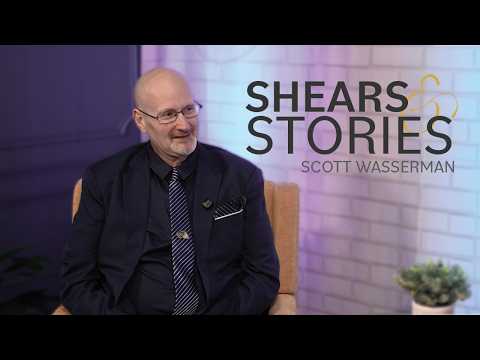
Scott Wasserman's journey into the heart of theatrical sound began with a robust musical education, culminating in his studies at Haverford College. While his academic path might suggest a different trajectory, his passion for music, particularly its electronic dimensions, led him to explore the intersection of technology and performance. Early in his career, Wasserman honed his skills across various musical disciplines, working as a composer, orchestrator, and musical director, laying the groundwork for his later specialization. This diverse background provided him with a holistic understanding of musical theater, enabling him to see opportunities for technological integration that others might have missed.
⚙️ The Art of Electronic Orchestration
Wasserman's signature contribution lies in his mastery of Ableton Live, a digital audio workstation that he has transformed from a production tool into a dynamic, live performance instrument. He doesn't merely play back tracks; he actively manipulates, sequences, and integrates electronic sounds in real-time, effectively acting as an electronic orchestrator. This involves intricate programming of virtual instruments, sound effects, and rhythmic elements that blend seamlessly with the live orchestra and performers. His approach allows for sonic textures and complexities previously unattainable in traditional stage productions, adding layers of depth and modernity to the musical score.
📊 Key Contributions & Scale
The impact of Wasserman's technical role is quantifiable. For Hamilton, his work ensured the seamless integration of hip-hop beats, R&B textures, and intricate electronic soundscapes, contributing significantly to the show's revolutionary sound. He reprised this role for Dear Evan Hansen, where synthesized elements underscore the emotional arc of the narrative, and for Natasha, Pierre & The Great Comet of 1812, a production known for its immersive and eclectic sound design. These productions have collectively played to millions of audience members worldwide, exposing a vast audience to his innovative sonic contributions.
👥 Collaborators & Affiliations
Wasserman's career is marked by collaborations with some of the most celebrated figures in musical theater. He has worked closely with composers like Lin-Manuel Miranda for Hamilton, Pasek and Paul for Dear Evan Hansen, and Dave Malloy for Natasha, Pierre & The Great Comet of 1812. His technical expertise has also been sought by institutions such as Amgen, where he has engaged in research, indicating a broader application of his analytical and technical skills beyond the stage. His affiliations highlight a unique bridge between the artistic demands of Broadway and the rigorous application of technology.
🌍 Broadway's Digital Revolution
The Broadway landscape has been irrevocably altered by the integration of electronic music programming, a shift significantly propelled by Wasserman's pioneering work. His success demonstrated the viability and artistic merit of this approach, paving the way for other shows to explore similar technological integrations. This has led to a broader acceptance and expectation of sophisticated digital sound design within the musical theater community, influencing subsequent productions and the training of future theater technicians.
⚡ Current Projects & Innovations
Beyond his established Broadway credits, Wasserman continues to push the envelope in live sound design. While specific current projects are often proprietary until public announcement, his ongoing work likely involves exploring new software, hardware, and integration techniques for upcoming theatrical productions and potentially other performance art forms. His research background suggests a continued interest in the scientific underpinnings of sound and technology, which may inform his future artistic endeavors, possibly involving advanced signal processing or AI-driven musical elements.
🤔 Debates in Theatrical Tech
The increasing reliance on technology in live performance, exemplified by Wasserman's work, sparks ongoing debates. Critics sometimes question whether the reliance on pre-programmed elements detracts from the spontaneity and organic nature of live music. Conversely, proponents argue that these tools, when wielded by skilled artists like Wasserman, expand the creative palette, enabling richer, more complex, and more consistent sonic experiences. The balance between technological innovation and traditional performance values remains a central discussion point in the theater tech community.
🔮 The Future of Live Sound
The trajectory of theatrical sound design points towards even deeper integration of digital technologies. Wasserman's foundational work suggests a future where electronic music programming is a standard component of musical theater, potentially evolving to incorporate more sophisticated interactive elements, personalized audio experiences for audience members, or even AI-generated musical accompaniment. The role of the electronic music programmer will likely become more specialized and crucial, demanding a blend of technical mastery and artistic sensibility that Wasserman embodies.
💡 Practical Applications of His Work
Wasserman's approach to electronic orchestration has direct applications beyond Broadway. His methods for real-time sound manipulation and integration are relevant to live concert performances across various genres, from pop and rock to electronic dance music. Furthermore, his experience in research settings suggests potential applications in therapeutic sound environments, immersive educational tools, or even in the development of new audio technologies for film and gaming, where complex soundscapes are paramount.
Key Facts
- Category
- people
- Type
- person