
Contents
Overview
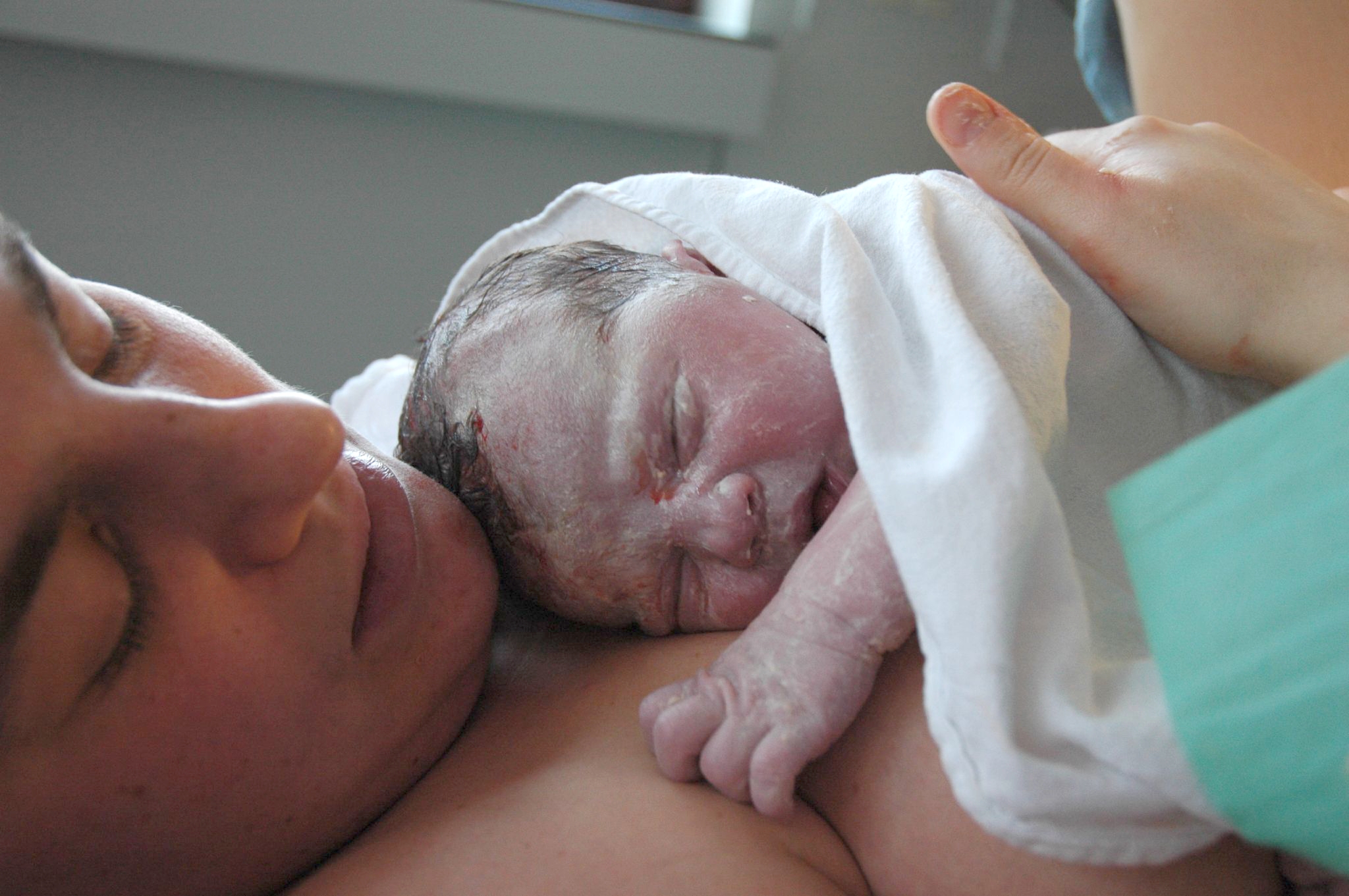
Skin-to-skin contact (SSC), often referred to as Kangaroo Care when applied to newborns, is a practice involving the direct physical contact between a caregiver and an infant, with the infant's bare chest against the caregiver's bare chest. This method, deeply rooted in human evolutionary history and now rigorously studied in clinical settings, is recognized globally for its profound physiological and psychological benefits. It plays a critical role in regulating an infant's temperature, heart rate, and breathing, while also fostering secure attachment and reducing stress hormones for both baby and caregiver. The World Health Organization has championed SSC as a cornerstone of neonatal care, particularly for premature and low birth weight infants, demonstrating its efficacy in improving survival rates and developmental outcomes. Beyond infancy, the practice continues to be vital for bonding, emotional regulation, and stress reduction throughout life, underscoring its fundamental importance in human connection.
🎵 Origins & History
The practice of skin-to-skin contact predates recorded history, serving as the natural state for mammalian infants, particularly humans, who are born in a relatively underdeveloped state. Historically, indigenous cultures worldwide have instinctively employed this method for infant care, recognizing its life-sustaining properties. Kangaroo Mother Care (KMC) was developed as a response to a severe shortage of incubators and high mortality rates among premature infants. The methodology was later refined and promoted globally by organizations like the WHO.
⚙️ How It Works
Skin-to-skin contact triggers a cascade of physiological responses in both the infant and the caregiver. For the infant, the direct warmth and heartbeat of the caregiver help stabilize their body temperature, mimicking the intrauterine environment and reducing the need for energy expenditure on thermoregulation. This also leads to a more regular heart rate and improved respiratory patterns, decreasing episodes of apnea and bradycardia. Neurochemically, SSC promotes the release of oxytocin, often called the "love hormone," in both individuals, fostering feelings of calm, security, and bonding. It also helps to lower cortisol levels, the primary stress hormone, in infants, which is crucial for healthy brain development and emotional regulation. The sensory input from the caregiver's skin, scent, and voice provides vital stimulation that aids in sensory integration and cognitive development.
📊 Key Facts & Numbers
Globally, an estimated 15 million babies are born preterm each year, with millions more experiencing low birth weight, making SSC a critical intervention for at least 20 million infants annually. Studies have shown that KMC can reduce the mortality rate of low birth weight infants by up to 40%. Infants receiving KMC experience significantly fewer infections, with rates dropping by as much as 77% compared to those in incubators. Furthermore, babies who receive regular SSC are reported to cry 30% less and sleep 20% more. The practice has been linked to improved long-term cognitive outcomes, with some studies indicating a 10-point increase in IQ scores for children who received KMC in infancy. The global adoption rate of KMC has steadily increased, with over 100 countries now implementing the practice in various capacities.
👥 Key People & Organizations
The foundational figures in the clinical application of SSC are Dr. Edgar Reynaldo Rey Sánchez and Dr. Luis Carlos Martínez, Colombian pediatricians who developed Kangaroo Mother Care in the late 1970s and early 1980s. Their work was instrumental in establishing SSC as a viable and effective neonatal care strategy. The World Health Organization (WHO) has been a pivotal global advocate, publishing comprehensive guidelines and promoting KMC implementation worldwide since 2003. Organizations like PATH and Save the Children also play significant roles in training healthcare providers and advocating for SSC policies in resource-limited settings. Prominent researchers such as Dr. Susan Reid have contributed extensively to the scientific understanding of SSC's neurobiological impacts.
🌍 Cultural Impact & Influence
Skin-to-skin contact has permeated various aspects of culture, from birthing practices to therapeutic interventions. It is a central tenet of natural childbirth movements, emphasizing the innate capabilities of parents and infants. The visual of a parent holding a baby chest-to-chest has become an iconic representation of maternal and paternal bonding, frequently depicted in art, photography, and media. Beyond infancy, the principle of physical closeness for emotional regulation and stress reduction is recognized in adult relationships, therapy, and even in the human-animal bond. The widespread acceptance of SSC has shifted perceptions of infant care away from purely technological solutions towards a more human-centered, relational approach, influencing hospital design and parental leave policies.
⚡ Current State & Latest Developments
In 2024 and 2025, the focus on SSC continues to expand beyond neonatal care. Research is increasingly exploring its benefits for maternal mental health, particularly in reducing postpartum depression and anxiety. There's a growing trend in hospitals to facilitate immediate and extended SSC for all newborns, regardless of gestational age or birth weight, as part of standard care protocols. Initiatives are also underway to integrate SSC into NICU (Neonatal Intensive Care Unit) environments more seamlessly, often involving specialized equipment and training for parents to participate actively in their baby's care. Furthermore, the understanding of SSC's role in adult stress management and therapeutic interventions is gaining traction, with potential applications in areas like trauma-informed care and mindfulness practices.
🤔 Controversies & Debates
While widely lauded, SSC is not without its debates. A primary concern revolves around ensuring adequate hygiene and infection control, especially in hospital settings where vulnerable infants are present. Some critics question the feasibility of prolonged SSC in resource-poor environments where caregivers may have other demanding responsibilities. There's also ongoing discussion about the optimal duration and frequency of SSC for different infant populations, and whether exclusive breastfeeding, often promoted alongside KMC, is always achievable or the sole indicator of success. Additionally, while the benefits are well-documented, some argue that the emphasis on SSC can inadvertently place undue pressure on parents, particularly those facing challenges with bonding or infant care.
🔮 Future Outlook & Predictions
The future of skin-to-skin contact appears robust, with ongoing research likely to uncover even more nuanced benefits. We can anticipate further integration of SSC into a broader spectrum of healthcare, potentially extending to palliative care and support for individuals with chronic stress or anxiety. Technological advancements may offer new ways to support SSC, such as wearable devices that monitor physiological responses during contact or specialized clothing that facilitates easy and secure contact. There's also a growing movement to advocate for policies that support extended parental leave and flexible work arrangements, recognizing the critical role of early bonding facilitated by SSC in long-term child and family well-being. The potential for SSC to be a cornerstone of preventative health strategies, addressing stress-related conditions from infancy onwards, is immense.
💡 Practical Applications
Skin-to-skin contact has myriad practical applications. In the immediate postpartum period, it facilitates early initiation of breastfeeding, helps the uterus contract to reduce bleeding, and calms both mother and baby. For premature and low birth weight infants, it is a life-saving intervention that stabilizes vital signs, promotes growth, and reduces hospital stays. Beyond the neonatal period, SSC can be used to soothe colicky infants, manage infant pain during procedures like vaccinations, and strengthen the bond between fathers and their babies. In therapeutic contexts, it can be employed to reduce anxiety in adults, aid in PTSD recovery, and enhance empathy in various interpersonal relationships. It's also a key component in animal-assisted therapy settings, where physical closeness with animals can elicit similar calming effects.
Key Facts
- Category
- culture
- Type
- topic