
Contents
Overview
Sneakers, known colloquially as trainers, kicks, or runners, are footwear fundamentally designed for athletic performance, yet their cultural ubiquity has transcended sport to become a dominant force in fashion, art, and everyday life. Their evolution accelerated dramatically with the rise of brands like Converse, Nike, and Adidas in the 20th century, who integrated advanced materials and marketing to embed sneakers into youth culture and hip-hop. Today, the global sneaker market is a multi-billion dollar industry, driven by limited-edition drops, celebrity endorsements, and a burgeoning resale market that values rarity and design. The manufacturing of footwear is primarily concentrated in China and Vietnam, a fact that fuels ongoing discussions about labor practices and sustainability.
🎵 Origins & History
The genesis of the modern sneaker can be traced back to the late 1800s with the invention of vulcanized rubber by Charles Goodyear. This innovation allowed for the creation of flexible, durable rubber soles that could be attached to canvas uppers, leading to the first mass-produced athletic shoes. J.W. Foster and Sons is credited with producing some of the earliest spiked running shoes for athletes. Keds marketed its shoes as "sneakers" because their rubber soles allowed wearers to "sneak around" unheard. These early models laid the groundwork for the athletic footwear industry, driven by the increasing popularity of sports and a growing demand for specialized footwear.
⚙️ How It Works
At their core, sneakers are engineered for performance and comfort, utilizing a combination of materials and construction techniques. The upper, typically made from breathable mesh, leather, or synthetic fabrics, provides structure and support. Beneath, the midsole is the crucial component for cushioning and shock absorption, often employing foams like EVA (ethylene-vinyl acetate) or proprietary technologies such as Nike Air or Adidas Boost. The outsole, usually made of durable rubber, offers traction and grip, with tread patterns varying significantly based on intended use, from court-specific grips to trail-ready lugs. Advanced manufacturing processes, including injection molding for midsoles and heat-bonding for uppers, allow for intricate designs and precise material placement, optimizing each shoe for its specific athletic purpose.
📊 Key Facts & Numbers
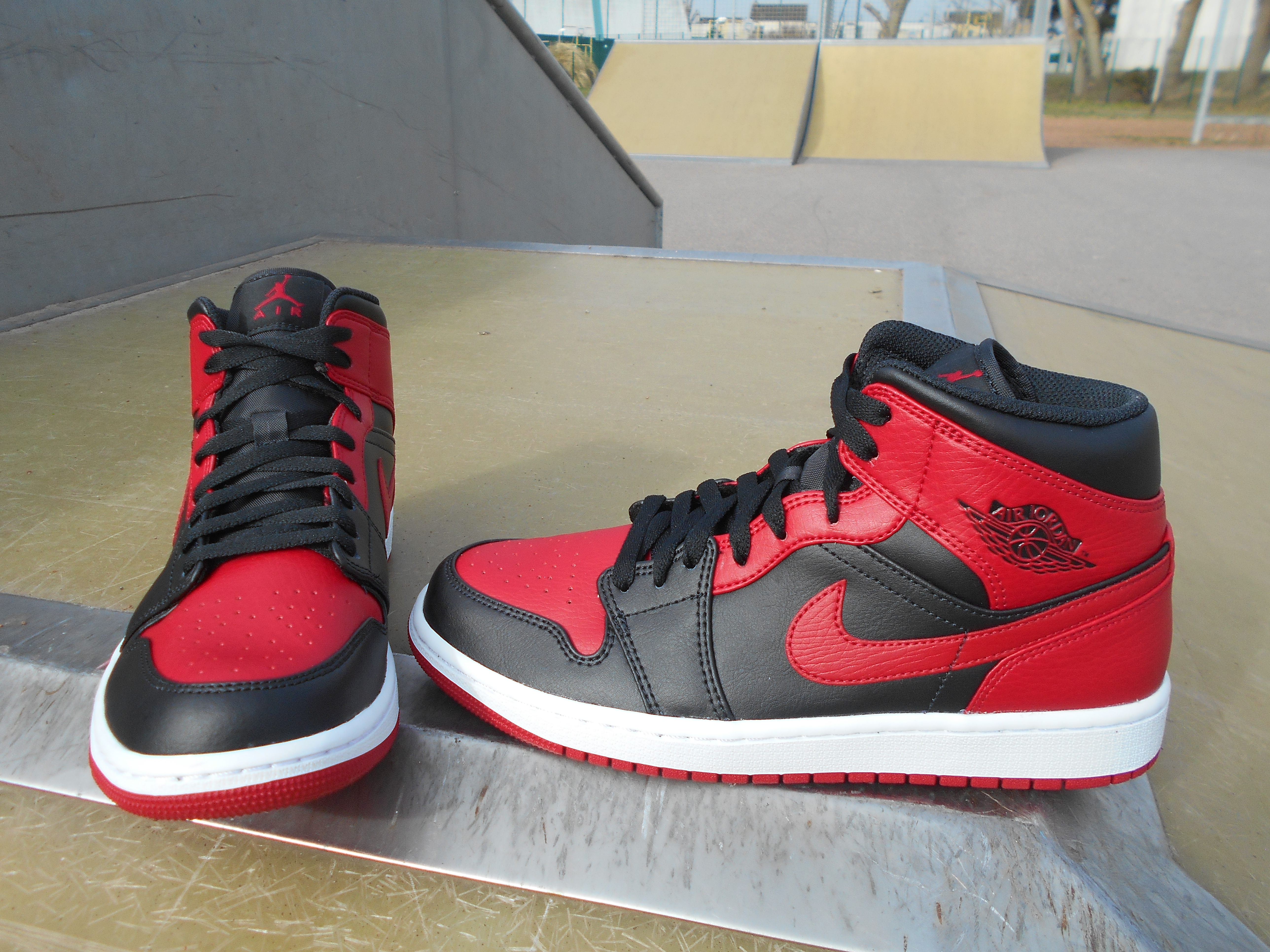
The global sneaker market is a colossal economic force, with limited-edition releases, such as the Air Jordan 1 or Yeezy Boost 350, often selling out within minutes. Some pairs can fetch tens of thousands of dollars on secondary markets like StockX and GOAT. Nike, the industry titan, reported revenues of $51.2 billion in fiscal year 2023, while Adidas followed with $24.1 billion in 2022. Footwear production is heavily concentrated in Asia, with China and Vietnam accounting for approximately 70% of global shoe manufacturing, producing over 90% of all shoes sold worldwide.
👥 Key People & Organizations
Key figures have shaped the sneaker landscape profoundly. Phil Knight, co-founder of Nike, revolutionized athletic marketing and product development, transforming sneakers from mere sports equipment into cultural icons. Herman Man and John Foote are also notable for their early contributions to athletic shoe design and manufacturing in the late 19th and early 20th centuries.
🌍 Cultural Impact & Influence
Sneakers have permeated global culture, moving far beyond their athletic origins to become a canvas for self-expression and a symbol of status. Run-DMC immortalized the Adidas Superstar in their song "My Adidas." Skateboarding culture, too, embraced durable, stylish sneakers like the Vans Old Skool. Today, collaborations between high-fashion houses like Dior and Louis Vuitton with sportswear giants, alongside limited-edition artist series, blur the lines between streetwear and luxury, making sneakers a central element in contemporary fashion discourse and a significant driver of youth culture trends worldwide.
⚡ Current State & Latest Developments
The sneaker industry in 2024 is characterized by an intensified focus on sustainability and technological innovation. Brands are increasingly experimenting with recycled materials, bio-based alternatives, and circular design principles to reduce their environmental footprint. Allbirds, for example, has built its brand around sustainable materials like merino wool and eucalyptus tree fiber. Furthermore, advancements in 3D printing and on-demand manufacturing are beginning to offer new possibilities for customization and reduced waste. The digital realm continues to dominate, with virtual sneakers and NFTs gaining traction, alongside ongoing battles for market share between established giants and agile newcomers in the ever-evolving landscape of athletic footwear.
🤔 Controversies & Debates
The sneaker industry is not without its controversies. The immense demand for limited-edition releases fuels a massive resale market, which has been criticized for creating artificial scarcity and driving up prices beyond the reach of many consumers. Issues surrounding labor practices in overseas factories, particularly concerning wages and working conditions in countries like Vietnam and Indonesia where much of the manufacturing occurs, remain a persistent concern for human rights organizations. Furthermore, the environmental impact of producing millions of pairs of sneakers annually, from material sourcing to waste generation, is a growing point of contention, prompting calls for greater transparency and accountability from major brands like Nike and Puma.
🔮 Future Outlook & Predictions
The future of sneakers points towards greater integration of technology and a deeper commitment to sustainability. Expect to see more smart sneakers incorporating biometric sensors for performance tracking, and advanced materials offering enhanced comfort and durability. Personalized manufacturing, potentially leveraging AI and 3D printing, could allow consumers to design their own unique sneakers, further democratizing the creative process. The resale market will likely continue its growth, but perhaps with more regulated platforms and a greater emphasis on authenticity verification. Brands that prioritize ethical production and environmental responsibility will likely gain a significant competitive advantage as consumer awareness continues to rise.
💡 Practical Applications
Beyond athletic performance and fashion statements, sneakers find practical applications across various domains. In healthcare, specialized orthopedic sneakers are designed to provide support and alleviate pain for individuals with foot conditions, offering custom orthotics and therapeutic benefits. For industrial workers, safety sneakers with reinforced toes and slip-resistant soles are essential personal protective equipment (PPE), meeting stringent safety standards. In the realm of rehabilitation, therapeutic sneakers aid in recovery from injuries, providing stability and controlled movement. The adaptability of sneaker design also lends itself to specialized sports requiring unique traction and support, from climbing shoes to cycling cleats, demonstrating their versatility beyond casual wear.
Key Facts
- Category
- culture
- Type
- topic