
Contents
Overview
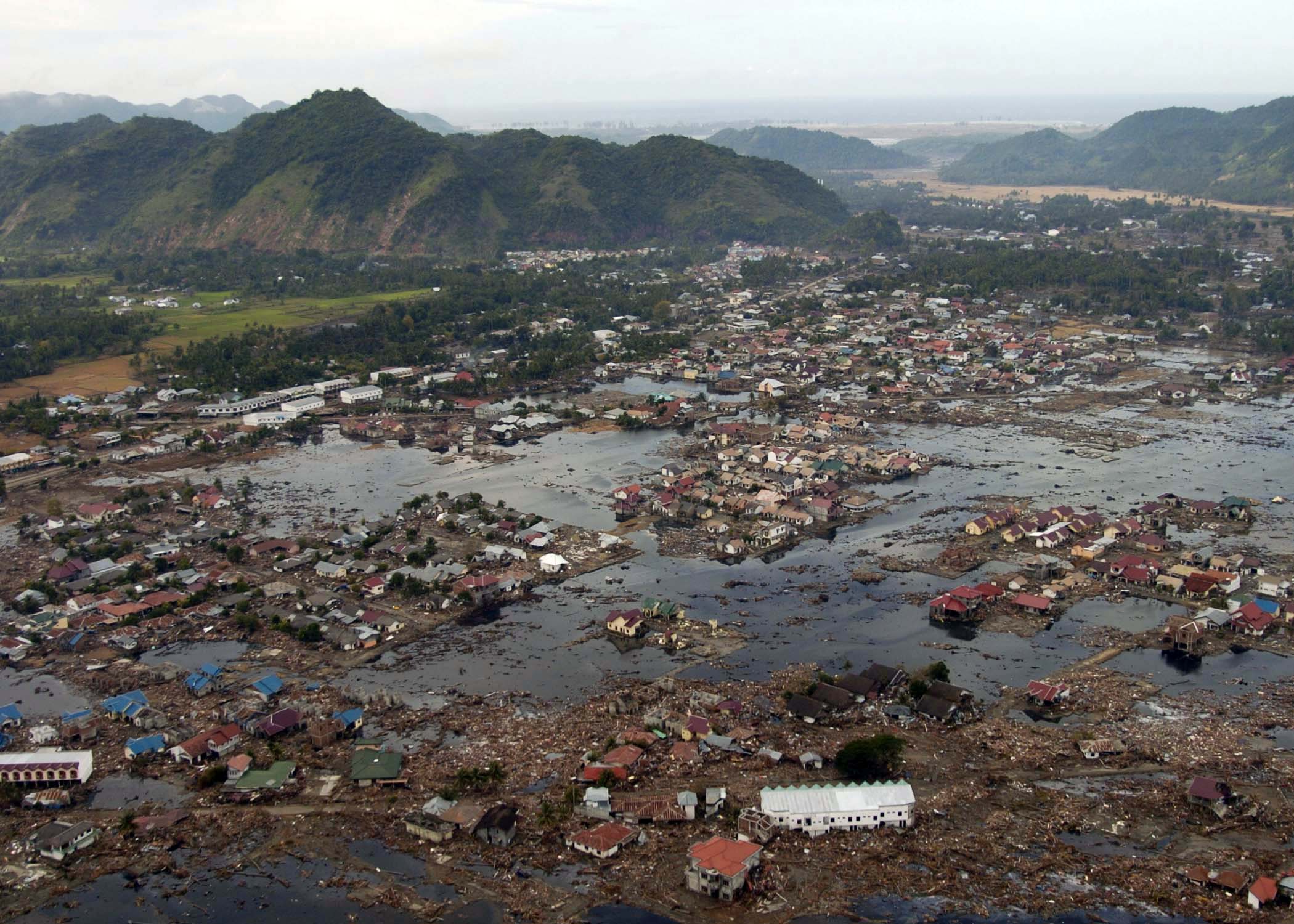
Tsunami recovery involves immediate post-disaster assessment and relief. This phase involves search and rescue, provision of temporary shelter, food, water, and medical aid, often coordinated by national disaster management agencies and international NGOs like the International Federation of Red Cross and Red Crescent Societies. Following this, the focus shifts to medium-term recovery, which includes debris removal, temporary housing solutions, and the restoration of essential services like power, sanitation, and communication networks. The long-term phase is the most complex, entailing permanent housing construction, rebuilding critical infrastructure such as roads, ports, and hospitals, restoring livelihoods through support for fishing, agriculture, and tourism sectors, and implementing psychological support programs for survivors. Crucially, this phase also involves developing and strengthening early warning systems and promoting resilient building practices to mitigate future risks, as advocated by bodies like the UNESCO Intergovernmental Oceanographic Commission. Aceh in Indonesia, Sri Lanka, and Thailand were particularly devastated by the 2004 tsunami. International organizations like the United Nations and the World Bank mobilized unprecedented aid, establishing frameworks for long-term rebuilding that prioritized not just physical reconstruction but also social and economic rehabilitation. This marked a shift from short-term humanitarian aid to a more integrated approach to disaster resilience and recovery.
⚙️ How It Works
Tsunami recovery operates on a multi-tiered system, beginning with immediate post-disaster assessment and relief. This phase involves search and rescue, provision of temporary shelter, food, water, and medical aid, often coordinated by national disaster management agencies and international NGOs like the International Federation of Red Cross and Red Crescent Societies. Following this, the focus shifts to medium-term recovery, which includes debris removal, temporary housing solutions, and the restoration of essential services like power, sanitation, and communication networks. The long-term phase is the most complex, entailing permanent housing construction, rebuilding critical infrastructure such as roads, ports, and hospitals, restoring livelihoods through support for fishing, agriculture, and tourism sectors, and implementing psychological support programs for survivors. Crucially, this phase also involves developing and strengthening early warning systems and promoting resilient building practices to mitigate future risks, as advocated by bodies like the UNESCO Intergovernmental Oceanographic Commission.
📊 Key Facts & Numbers
Reconstruction projects in Sri Lanka following the 2004 event were still ongoing a decade later. Japan has invested heavily in advanced coastal defenses following the 2011 Tōhoku tsunami. The Japan Meteorological Agency's early warning system is credited with saving thousands of lives, demonstrating the quantifiable impact of preparedness.
👥 Key People & Organizations
Key figures in tsunami recovery include policymakers, disaster management experts, and community leaders. Kofi Annan, as UN Secretary-General during the 2004 tsunami, played a pivotal role in coordinating the global response and advocating for long-term recovery funds. Ban Ki-moon, his successor, continued this focus, emphasizing disaster risk reduction. Organizations like the United Nations Development Programme (UNDP) and the World Health Organization (WHO) are instrumental in implementing recovery programs, focusing on sustainable development and public health. In Japan, the Tokyo Electric Power Company (TEPCO) faced immense scrutiny and responsibility following the 2011 Fukushima Daiichi nuclear disaster, a direct consequence of the tsunami, highlighting the complex interplay between natural disasters and industrial safety. Local community leaders and NGOs on the ground are often the unsung heroes, directly facilitating aid and rebuilding efforts.
🌍 Cultural Impact & Influence
Tsunami recovery has profoundly influenced global disaster management discourse, shifting the paradigm from reactive relief to proactive resilience. The development of the Indian Ocean Tsunami Warning and Mitigation System is a testament to international cooperation in safeguarding vulnerable populations. Culturally, the shared experience of loss and rebuilding has fostered a sense of global solidarity, evident in the outpouring of donations and volunteer efforts. Media coverage of these events, from the harrowing images of destruction to the inspiring stories of survival and reconstruction, has raised public awareness about seismic risks and the importance of preparedness. The resilience of communities, particularly in places like Banda Aceh, has become a powerful symbol of human endurance, influencing art, literature, and film that explore themes of loss, memory, and rebuilding.
⚡ Current State & Latest Developments
Current tsunami recovery efforts are increasingly integrating climate change adaptation and sustainable development goals. Following the 2011 Tōhoku tsunami, Japan has invested heavily in advanced coastal defenses, including massive seawalls and improved evacuation infrastructure, alongside innovative urban planning that relocates communities away from high-risk zones. The focus is also shifting towards 'building back better,' ensuring that reconstructed infrastructure is more resilient to future shocks, incorporating green building principles and renewable energy sources. International bodies like the UN Office for Disaster Risk Reduction (UNDRR) continue to promote global frameworks like the Sendai Framework for Disaster Risk Reduction, which emphasizes multi-hazard early warning systems and community-based disaster preparedness. The ongoing recovery in regions affected by the 2004 tsunami, particularly in Indonesia and Sri Lanka, continues to evolve, with a growing emphasis on empowering local communities in decision-making processes.
🤔 Controversies & Debates
A significant controversy in tsunami recovery revolves around the equitable distribution of aid and resources. Following the 2004 tsunami, accusations of corruption and mismanagement of funds surfaced in several affected countries, leading to delays in reconstruction and resentment among affected populations. The prioritization of certain reconstruction projects over others, or the displacement of communities for new developments, has also sparked debate. Furthermore, the long-term psychological impact on survivors, including PTSD, is often underestimated or inadequately addressed in recovery plans, leading to persistent social and mental health challenges. The effectiveness and sustainability of large-scale infrastructure projects, such as massive seawalls, are also debated, with some critics arguing they can create a false sense of security or negatively impact coastal ecosystems.
🔮 Future Outlook & Predictions
The future of tsunami recovery is intrinsically linked to advancements in early warning systems, predictive modeling, and resilient infrastructure design. Expect increased integration of artificial intelligence and machine learning for more accurate tsunami forecasting and impact assessment, potentially reducing warning times and improving evacuation efficiency. The concept of 'managed retreat' from highly vulnerable coastal zones may become more prevalent, supported by innovative urban planning and community relocation strategies. Furthermore, there's a growing emphasis on nature-based solutions, such as restoring mangrove forests and coral reefs, which act as natural buffers against tsunami waves, complementing engineered defenses. International cooperation in data sharing and joint research will be crucial, especially as climate change exacerbates coastal risks, making preparedness and effective recovery strategies more critical than ever for nations like [[indonesia|Indo
Key Facts
- Category
- movements
- Type
- topic