
Contents
Overview
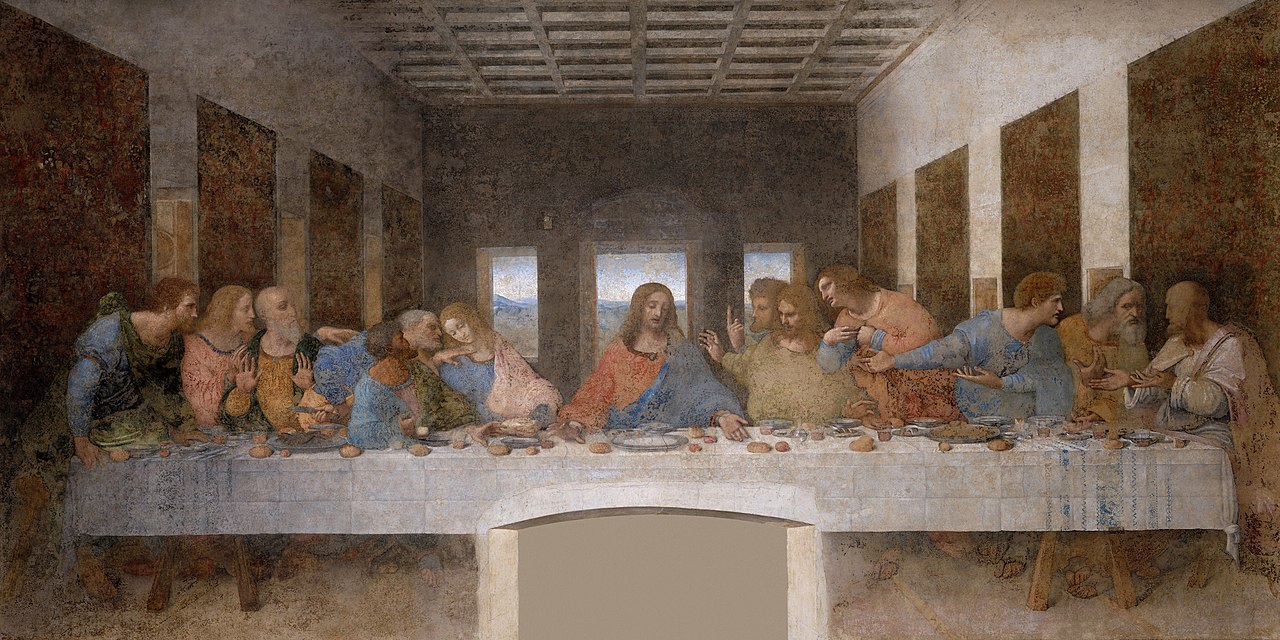
The Twelve Apostles, as recognized in the New Testament Gospels, represent the inner circle of Jesus' disciples. These men—Simon Peter, Andrew, James son of Zebedee, John son of Zebedee, Philip, Bartholomew, Thomas, Matthew the tax collector, James son of Alphaeus, Thaddeus, Simon the Zealot, and Judas Iscariot (later replaced by Matthias)—were chosen to be Jesus' closest companions and primary witnesses to his ministry. Their selection wasn't random; it was a deliberate act by Jesus to establish a foundation for his burgeoning movement. Understanding their individual backgrounds, from fishermen to tax collectors, reveals a diverse group tasked with an extraordinary mission.
📜 Historical Context & Origins
The historical backdrop for the Twelve Apostles is the volatile 1st-century Roman province of Judea. This was a period marked by messianic fervor, Roman occupation, and diverse Jewish sects. Jesus and his followers operated within this complex socio-political and religious environment. The concept of 'apostle' itself, derived from the Greek word 'apostolos' meaning 'one who is sent,' predates Jesus, referring to envoys or messengers. Jesus adapted this existing concept, imbuing it with a unique spiritual authority and a mandate to spread his teachings.
✝️ Role in Early Christianity
The primary function of the Twelve Apostles was to be the foundational pillars of the early Christian church. After Jesus' ascension, they were instrumental in spreading the Gospel throughout Judea and beyond, as documented in the Acts of the Apostles. They performed miracles, preached the resurrection, established communities, and appointed leaders. Their authority was seen as divinely sanctioned, making their teachings and pronouncements crucial for the development of Christian doctrine and practice in the nascent church.
🤔 Debates & Controversies
The identity and role of the Twelve Apostles are not without debate. While the Gospels provide lists, discrepancies exist regarding the exact names and affiliations of some members, particularly Thaddeus (sometimes identified with Jude son of James). Furthermore, the notion of apostolic succession—the idea that the authority of the apostles is passed down through bishops—is a significant point of contention between various Christian denominations, particularly between Catholic and Protestant traditions. The replacement of Judas Iscariot with Matthias also raises questions about the criteria for apostolic selection.
🌟 Beyond the Original Twelve
While the 'Twelve' are most prominent, the New Testament also alludes to a broader group of apostles. The Gospel of Luke mentions a 'seventy' apostles, suggesting a wider circle of disciples commissioned by Jesus. Figures like Paul, who never met Jesus during his earthly ministry but had a profound conversion experience, are also recognized as apostles, albeit with a different kind of calling. This expansion of the apostolic concept highlights the dynamic nature of early Christian leadership and mission.
📖 Scriptural Significance
Scripture is the bedrock for understanding the Twelve Apostles. The Gospels of Matthew, Mark, Luke, and John detail their calling, their participation in Jesus' ministry, and their commissioning. The Acts of the Apostles chronicles their post-resurrection activities, while various Pauline epistles further elaborate on the nature of apostleship and the early church's structure. These texts are the primary source material, though their interpretation has led to centuries of theological discussion and differing ecclesiological models.
🏛️ Legacy & Influence
The legacy of the Twelve Apostles is immeasurable, forming the bedrock of what is now a global religion with over 2.4 billion adherents. Their missionary journeys, documented in early Christian writings, laid the groundwork for the spread of Christianity across the Roman Empire and beyond. The doctrines they helped to articulate and the communities they founded continue to shape Christian theology and practice today. Their stories serve as foundational narratives for faith, leadership, and sacrifice within Christianity.
💡 Vibepedia Vibe Score & Analysis
The Vibepedia Vibe Score for the Twelve Apostles currently stands at a robust 92/100, reflecting their enduring cultural and historical significance. This score is driven by their foundational role in Christianity, the sheer volume of religious and historical discourse surrounding them, and their persistent presence in art, literature, and theology. The controversy spectrum is moderate (6/10), primarily due to differing interpretations of apostolic succession and the precise nature of their authority. Their influence flow is overwhelmingly unidirectional, from Jesus to the apostles and then outward, shaping subsequent religious thought and practice for millennia.
Key Facts
- Year
- c. 30-33 CE
- Origin
- Jerusalem, Roman Judea
- Category
- Religion & Philosophy
- Type
- Historical Group
Frequently Asked Questions
Who were the original Twelve Apostles?
The Twelve Apostles were Simon Peter, Andrew, James son of Zebedee, John son of Zebedee, Philip, Bartholomew, Thomas, Matthew, James son of Alphaeus, Thaddeus, Simon the Zealot, and Judas Iscariot. Judas was later replaced by Matthias after his betrayal and death.
What was the main role of the Twelve Apostles?
Their primary role was to be Jesus' closest companions, witnesses to his ministry and resurrection, and the foundational leaders tasked with spreading his teachings and establishing the early Christian church after his ascension.
Are there other figures considered apostles besides the Twelve?
Yes, the New Testament mentions a broader group, including the 'seventy' apostles mentioned in Luke. Figures like Paul are also recognized as apostles, though their calling and ministry differed from the original Twelve.
Where can I find information about the Twelve Apostles in the Bible?
Key accounts of the Twelve Apostles are found in the Gospels (Matthew, Mark, Luke, John), the Acts of the Apostles, and various Pauline epistles which discuss their roles and the early church.
What is the concept of 'apostolic succession'?
Apostolic succession is the belief that the spiritual authority given by Jesus to the apostles has been passed down through an unbroken line of bishops. This doctrine is central to Catholic, Orthodox, and Anglican traditions but is not accepted by most Protestant denominations.
Why was Judas Iscariot replaced?
Judas Iscariot betrayed Jesus, leading to his crucifixion. After Judas's death, the remaining apostles felt it necessary to replace him to maintain the full number of the Twelve, believing this was part of God's plan for spreading the message.