
Contents
Overview
The roots of urban culture stretch back to the earliest civilizations, where the concentration of people in cities like Mesopotamia and Rome fostered unique social structures and artistic developments. The density of population in these early metropolises necessitated new forms of social organization, governance, and communication, laying the groundwork for distinct urban identities. The Enlightenment era, particularly in cities like Paris and London, saw urban centers become hubs for intellectual discourse and artistic salons, further solidifying their role as cultural incubators. The Industrial Revolution, which occurred in the 18th and 19th centuries, dramatically accelerated urbanization, leading to unprecedented population growth in cities like Manchester and New York City, which in turn gave rise to new working-class cultures, social movements, and artistic responses to the changing urban landscape, including the emergence of realism in art and literature.
⚙️ How It Works
Urban culture operates through a complex interplay of social proximity, information flow, and subcultural formation. The high density of people in urban areas facilitates constant, albeit often superficial, interaction, allowing ideas, trends, and styles to spread rapidly through peer networks and public spaces like public squares and transit hubs. This environment is fertile ground for the development of distinct subcultures, each with its own norms, aesthetics, and vernacular, from the early Beat Generation in Greenwich Village to contemporary street art movements. The constant exposure to diverse perspectives and lifestyles challenges traditional norms and encourages innovation, making cities dynamic engines of cultural evolution. Furthermore, urban infrastructure, including media platforms, performance spaces, and art institutions, plays a crucial role in disseminating and amplifying these emergent cultural forms.
📊 Key Facts & Numbers
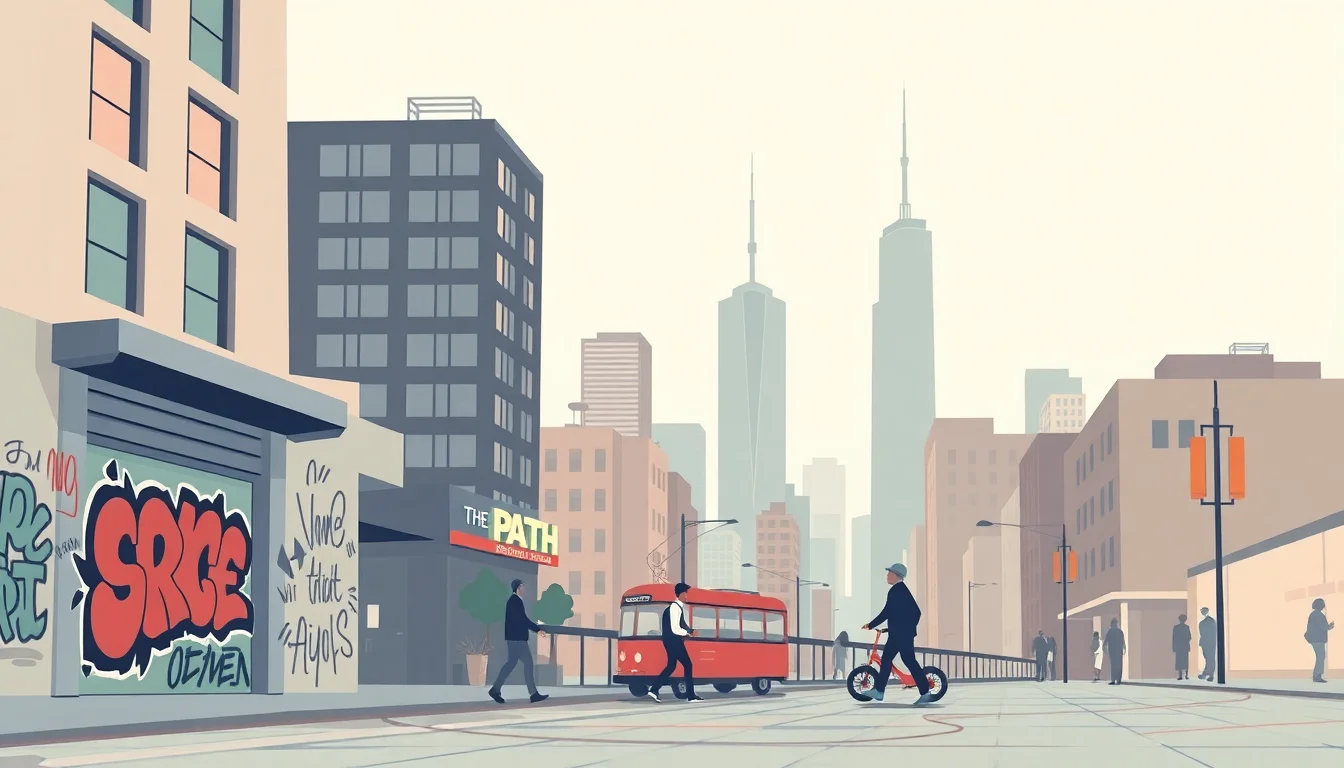
Globally, urbanization continues to increase, with figures provided by the UN. Cities like Tokyo, Delhi, and Shanghai are massive urban centers, creating immense cultural ecosystems. The global music industry is heavily influenced by urban genres like hip-hop and EDM. Street art, a quintessential urban art form, sees murals and graffiti adorning walls in cities worldwide, with some major urban art festivals attracting hundreds of thousands of visitors annually. The fashion industry is perpetually inspired by urban street style, with trends often originating from specific city districts before going global.
👥 Key People & Organizations
Key figures in shaping urban culture are as diverse as the cities themselves. Walter Benjamin, a German philosopher, extensively analyzed the urban experience in his writings on flânerie and the modern metropolis. Jane Jacobs, an urbanist and activist, championed the vitality of street life and neighborhood culture in her seminal work, The Death and Life of Great American Cities. Artists like Jean-Michel Basquiat, who emerged from the New York City art scene, captured the raw energy of urban life in his paintings. Music pioneers such as DJ Kool Herc, often credited as the father of hip-hop, revolutionized music production and performance in the Bronx. Organizations like the Street Art Museum in Saint Petersburg and the Museum of the Moving Image in New York City are dedicated to preserving and exhibiting urban artistic expressions.
🌍 Cultural Impact & Influence
Urban culture's influence is pervasive, shaping global trends in music, fashion, language, and art. The rise of hip-hop from a marginalized subculture in the Bronx to a dominant global musical force is a prime example, influencing everything from slang to fashion choices worldwide. Similarly, street art, once considered vandalism, is now recognized as a legitimate art form, with artists like Banksy achieving international fame and exhibitions in major galleries. The aesthetics and attitudes born in urban environments often become aspirational, influencing media portrayals and consumer desires. Cities act as laboratories for cultural experimentation, with innovations in urban living, social interaction, and artistic expression frequently disseminating outwards to suburban and rural areas, and eventually across borders.
⚡ Current State & Latest Developments
In 2024, urban culture is characterized by the increasing digitalization of social interaction and artistic creation. Platforms like TikTok and Instagram have become primary vectors for the dissemination of urban trends, from dance challenges to fashion styles, often originating in specific city neighborhoods before going viral globally. The concept of the 'metaverse' is also beginning to intersect with urban culture, with virtual cities and digital art spaces offering new avenues for expression and community building. Simultaneously, there's a growing counter-movement emphasizing authenticity and local identity, as communities push back against the homogenization of culture driven by global digital platforms and corporate interests. The ongoing gentrification of urban neighborhoods also continues to reshape the cultural landscape, often displacing long-standing communities and their associated cultural practices.
🤔 Controversies & Debates
Urban culture is frequently at the center of debates surrounding authenticity, gentrification, and cultural appropriation. The commodification of urban art forms, such as hip-hop and street art, by mainstream corporations raises questions about whether the original spirit and social commentary are diluted or lost. Gentrification, the process by which wealthier populations move into historically working-class urban neighborhoods, often leads to the displacement of existing residents and the erasure of their cultural heritage, sparking protests and calls for community preservation. The global spread of urban trends also invites criticism regarding cultural appropriation, where elements of marginalized urban subcultures are adopted by dominant groups without proper acknowledgment or understanding of their origins and significance. The tension between commercialization and artistic integrity remains a constant point of contention.
🔮 Future Outlook & Predictions
The future of urban culture will likely be shaped by the ongoing tension between globalization and localization, amplified by technological advancements. We can anticipate further integration of digital and physical urban experiences, with augmented reality overlays transforming public spaces and virtual communities mirroring real-world neighborhoods. The rise of AI may also influence creative processes, generating new forms of urban art and music. However, a growing emphasis on sustainability and community resilience may lead to a resurgence of hyper-local cultural movements, celebrating unique neighborhood identities and fostering more equitable cultural production. The challenge will be to harness these forces to create inclusive, vibrant urban environments that reflect the diverse voices within them, rather than succumbing to homogenization or exclusion.
💡 Practical Applications
Urban culture's influence extends into numerous practical applications, from urban planning to product design. The aesthetics and functionality of urban environments inspire architectural designs, public art installations, and the layout of urban spaces, aiming to foster community and livability. Trends originating in urban fashion and music directly impact consumer markets, driving sales in clothing, accessories, and entertainment. The language and slang that emerge from urban subcultures often permeate mainstream vernacular, influencing communication patterns. Furthermore, the innovative spirit of urban culture is a key driver for the startup ecosystem, with many tech companies and creative agencies drawing inspiration from the dynamic, fast-paced nature of city life. Understanding urban cultural dynamics is also crucial for effective marketing and social policy development.
Key Facts
- Category
- culture
- Type
- topic